

Loading
Journal of Cellular Immunology
ISSN: 2689-2812
Volume 2, Issue 6, p265-363
Articles published in this issue are Open Access and licensed under Creative Commons Attribution License (CC BY NC) where the readers can reuse, download, distribute the article in whole or part by mentioning proper credits to the authors.
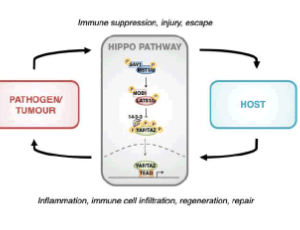
The Hippo Pathway, Immunity, and Cancer: An update
The Hippo pathway has well-established roles in physiology and pathology. However, functions for the Hippo pathway in modulating interactions with the immune system have only recently been elucidated. In this review, we provide a brief update on our previous summary of the field. More specifically, we highlight literature that demonstrates a role for the Hippo pathway in modulating the antitumour immune response, primarily through acting on PD-L1.
J Cell Immunol, 2020, Volume 2, Issue 6, p265-275 | DOI: 10.33696/immunology.2.054
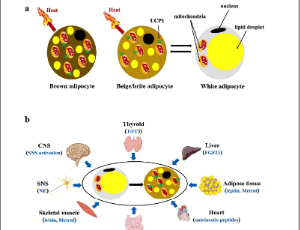
Influenza A Virus Infection Induces White Adipose Tissue Browning: A Metabolic Adaptation to Infection?
We recently reported that influenza infection is associated with drastic, depot-specific changes in white adipose tissue (WAT), notably the occurrence of thermogenic brown-like adipocytes within the subcutaneous depot, a process referred to as WAT browning. In mammals, induction of the thermogenic circuit increases heat production and consumes energy, consequently improving host’s metabolism.
J Cell Immunol, 2020, Volume 2, Issue 6, p276-283 | DOI: 10.33696/immunology.2.055
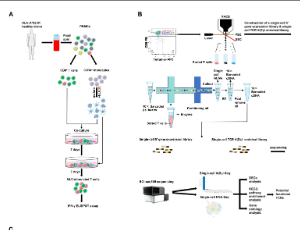
Single-cell Approach to Generate Functional TCR-Ts: A Potential Accelerator of TCR-T Cell Therapy for Infectious Diseases
T cell-mediated immune response is essential for host defense against viruses, including the severe acute respiratory syndrome coronavirus 2 (SARS-CoV-2) which has caused a global pandemic. Genetically engineered T cells with antigen-specific T cell receptors (TCR-Ts) are redirected to eliminate target cells via TCRs recognizing peptides bound with major histocompatibility complexes (MHCs).
J Cell Immunol, 2020, Volume 2, Issue 6, p284-288 | DOI: 10.33696/immunology.2.056
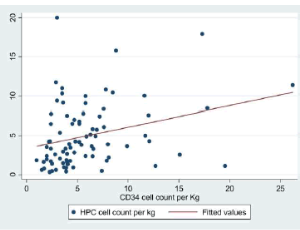
Use of Sysmex Hematology Analyzer based Hematopoietic Progenitor Cell (XN-HPC) Count in Allogeneic Peripheral Blood Stem Cell Transplant Setting; Is It Substantially Reliable?
Allogeneic stem cell transplantation remains the only curative option for various benign and malignant hematological disorders. The procedure of allogeneic stem cell transplantation entails the administration of adequate doses of hematopoietic progenitor cells, aiming for complete and sustained hematopoietic reconstitution. Hematopoietic progenitors are obtained either through a bone marrow harvest or from GCSF-mobilized peripheral blood of the identified donor.
J Cell Immunol, 2020, Volume 2, Issue 6, p289-293 | DOI: 10.33696/immunology.2.057
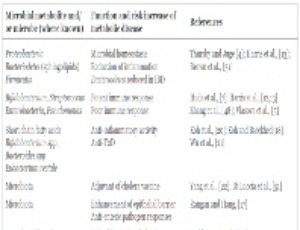
The Mammalian Gut Microbiome, Immune Responses and Disease: From Observational to Causal Relationships
The gut is a major organ for the production of immune responses and is colonized by a large variety of microbes. The composition of microbes in the gut influences immune responses qualitatively and quantitatively and is also observationally correlated with enteric and extra-intestinal infectious and non-infectious diseases. Animal models have been extremely useful to unravel the relationships of the gut microbiome with immune responses and various diseases.
J Cell Immunol, 2020, Volume 2, Issue 6, p294-300 | DOI: 10.33696/immunology.2.058
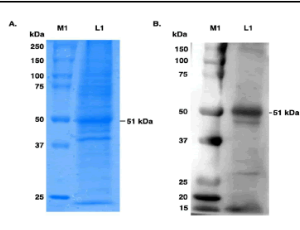
A Native 51 kDa Leishmania Membrane Protein Revealed as a Novel Antigenic Candidate for Immuno-Diagnosis of Human VL and PKDL diseases
Visceral leishmaniasis (VL), a potentially devastating neglected tropical disease is a major health concern. Despite recent advances made in diagnosis of VL, an accurate and a reliable diagnostic biomarker is still needed.
J Cell Immunol, 2020, Volume 2, Issue 6, p301-307 | DOI: 10.33696/immunology.2.059
Role of Irreversible Post-Translational Modifications of Autoantigens in Systemic Lupus Erythematosus: LL37 as a Model Autoantigen
Systemic Lupus Erythematosus (SLE) is a devastating disease, which affects several organs and with poor therapeutic options. Cathelicin LL37 is an antimicrobial peptide (AMP) with pleiotropic functions on immune cells and parenchymal cells, which can be implicated in inflammatory pathways and in immune regulation. LL37, a stimulator of both the innate and the adaptive immune responses in psoriasis and related psoriatic arthritis (PsA), can represent a relevant model autoantigen to study the effect of irreversible post-translational modifications (PTM) in SLE, as compared to psoriasis and PsA
J Cell Immunol, 2020, Volume 2, Issue 6, p308-314 | DOI: 10.33696/immunology.2.060

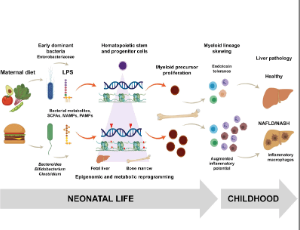
Maternal Diet Alters Trained Immunity in the Pathogenesis of Pediatric NAFLD
Nonalcoholic fatty liver disease (NAFLD), a spectrum of pathologies ranging from simple steatosis to fibrosis and cirrhosis, is the most common cause of chronic liver disease, affecting over 80% of adults with obesity, one third of obese children ages 3-18 in North America [2] and ~10% of the general pediatric population.
J Cell Immunol, 2020, Volume 2, Issue 6, p315-325 | DOI: 10.33696/immunology.2.061
High Throughput Image Analysis for Cardiotoxicity Study using Human Pluripotent Stem Cell-Derived Cardiomyocytes
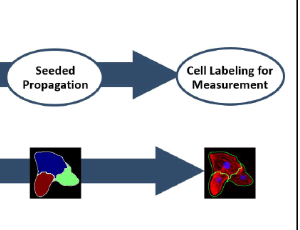
Cardiotoxicity is a well-known side-effect for the patients who are treated with different classes of anticancer drugs. In order to prevent potential drug-induced adverse effects, it is crucial to develop predictable human-based models and assays for drug screening. To that end, human induced pluripotent stem cell-derived cardiomyocytes (hiPSC-CMs) are becoming promising and important for disease modeling and drug-induced toxicity screening.
J Cell Immunol, 2020, Volume 2, Issue 6, p326-332 | DOI: 10.33696/immunology.2.062
Potentials of Interferons and Hydroxychloroquine for the Prophylaxis and Early Treatment of COVID-19
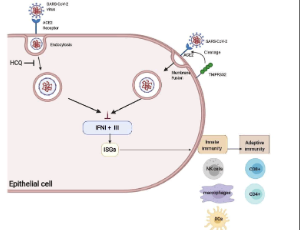
The symptoms of the COVID-19 range from asymptomatic or mild disease to severe disease that results in acute respiratory distress syndrome (ARDS) and eventually death. Understanding the molecular mechanisms responsible for the progression from mild to severe disease is the key to decreasing the mortality of COVID-19. Compared to mild cases, severe cases of the COVID-19 have decreased interferon (IFN) a, ß, λ production. Type I (IFN a/ß) and III IFNs (λ) work coordinately to induce inhibition of viral reproduction through the stimulation of interferon stimulated genes (ISGs).
J Cell Immunol, 2020, Volume 2, Issue 6, p333-340 | DOI: 10.33696/immunology.2.063
Newly Identified Function of Caspase-6 in ZBP1-mediated Innate Immune Responses, NLRP3 Inflammasome Activation, PANoptosis, and Host Defense
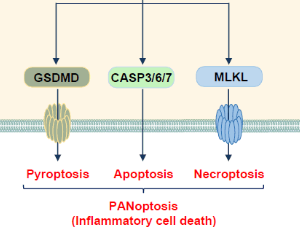
Caspase-6 was discovered decades ago, but its roles in biological processes remain largely unknown. Recently, we have demonstrated that caspase-6 plays a critical role in influenza A virus (IAV)-induced cell death and innate immune responses. During IAV infection, Z-DNA binding protein 1 (ZBP1) initiates ZBP1-PANoptosome assembly to drive inflammasome activation and cell death, and we showed that caspase-6 interacts with RIPK3 to enhance the interaction between RIPK3 and ZBP1, thus promoting PANoptosome assembly.
J Cell Immunol, 2020, Volume 2, Issue 6, p341-347 | DOI: https://doi.org/10.33696/immunology.2.064
Cancer Immunoediting in Gliomas: Recent Advances and Implications for Immunotherapy
Gliomas are an aggressive class of primary brain tumors with high rates of recurrence and a dismal overall survival. While existing therapeutic strategies provide some benefit, their effects are variable, and no curative modalities exist. The poor prognosis of these patients largely stems from the heterogenous molecular profile of these tumors and their tumor immune microenvironment (TIME).
J Cell Immunol, 2020, Volume 2, Issue 6, p352-358 | DOI: 10.33696/immunology.2.066
Molecular Tools for Metastatic Colorectal Cancer Characterization
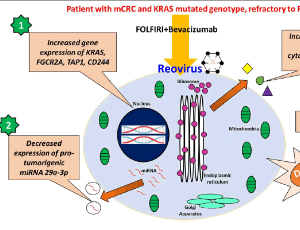
In our recent publication, we have explored at the molecular level the consequences of reovirus administration to patients with KRAS mutated colorectal cancer (CRC). This was the first reported study where transcriptome assay was performed on KRAS mutated CRC patients receiving reovirus (pelareorep) therapy. Using peripheral mononuclear cells as a tumor surrogate, we have identified several hundred genes that were significantly altered in a transcriptome assay of patients receiving pelareorep serving as their own controls (pre and post reovirus administration) and compared to untreated controls.
J Cell Immunol, 2020, Volume 2, Issue 6, p359-363 | DOI: 10.33696/immunology.2.067
Escherichia coli Stress, Multi-cellularity, and the Generation of the Quorum Sensing Peptide EDF
Bacterial communication via quorum sensing (QS) molecules, as well as toxin-antitoxin (TA) gene modules located on bacterial chromosomes are well-studied mechanisms. Escherichia coli mazEF is a stress-induced TA system mediating cell death requiring a QS extracellular death factor (EDF), the pentapeptide NNWNN. MazF is an endoribonuclease specific for ACA sites. During adverse conditions, the activated MazF generates a stress induced translation machinery, composed of MazF-processed mRNAs and selective ribosomes that specifically translate these processed mRNAs.
Constitutively Active Death Receptor Induces Apoptosis in Mammalian Cells
Apoptosis is a physiological response in development and homeostasis of metazoans. Apoptosis is triggered during pathological events as a means to renew affected tissues and eliminate cancer cells. The immune system regulates the extrinsic pathway of apoptosis, where signals such as TNFα or displayed ligands on the surface of immune cells trigger signal cascades by death receptors present on targeted cells. Therapeutics, like Doxorubicin, lead to apoptosis successfully.
Prevalence of Symptom Clusters in Cancer Patients at First Presentation in Palliative Care Clinic as per Different Disease Groups
Cancer has its own disease burden and patients usually suffer from symptom clusters when they are referred for palliative treatment. Identification of symptom cluster trajectories will help clinician to take into account measures that can optimize quality of life of palliative patients. Therefore the aim of this paper is to determine the overall prevalence of symptoms and symptoms clusters in different disease groups according to etiology at the time of first visit to Palliative care clinic by using HIS Palliative First Assessment note indicating Edmonton symptom scale.
Chimeric Antigen Receptor CAR NK Cells Emerging Immunotherapy for the Treatment of Cancer
Although NK cells are recognized as effector lymphocytes of the innate immune system, they also regulate the adaptive immune response by releasing inflammatory cytokines and developing immunological memory. Unlike other lymphocytes such as T or B cells, NK cells do not express rearrangeable, antigen-specific receptors.
Flow Cytometric Characterization of Accidental Cell Death Highlights Connections to Regulated Cell Death
Damage-Associated Molecular Patterns (DAMPs) are known by their nature to cause inflammatory responses in numerous disease states from cancer, trauma to age related diseases (e.g. atherosclerosis, Alzheimer’s and Parkinson’s diseases), these molecules are released by cells undergoing cell death.
Emerging Role of TRPML1 Mucolipin Endolysosomal Channel in Cancer
The transient receptor potential mucolipin 1 (TRPML1) is an endolysosomal channel belonging to the TRP family. Clinically, mutations of TRPML1 have been responsible for a severe lysosomal storage disorder called mucolipidosis type IV.
Activation of NLRP3 Inflammosome by N4-Acetyl Cytidine and Its Consequences
N4-acetylcytidine (N4A) is an organic compound and a metabolite of transferrable ribonucleic acid. Its molecular formula is C11H15N3O6. Earlier studies suggest that N4A was mainly found on tRNA and 18S rRNA, while recent studies have shown that there is also a large amount of N4A on mRNA, whose abundance is not even lower than the m7G cap modification carried by mRNA.
COVID-19 Clinical Research
While the global COVID-19 pandemic has challenged the entire humanity and health systems, it also triggered researchers to urgently perform clinical trials to assess the safety and efficacy of many agents and modalities to combat COVID-19. As of April 22, over 650 clinical studies have been registered both in USA and internationally. Results from these studies are also coming at a brisk pace in this unprecedented emergency.
Therapeutic Values of Ketamine for COVID-19-Cared Patients: An Expert’s Point of View
Ketamine has long been used in the field of anesthesia [1]. Its rapid and long-acting analgesic effects associated with its dissociative properties have also established its use in prehospital and emergency department patients.
Uniportal VATS Lobectomy for Lung Cancer: Feasibility and Cost Effectiveness in a Single Center Experience
In last decades, video-assisted thoracic surgery (VATS) together with robotic-assisted thoracic surgery (RATS) can be considered the biggest innovation in thoracic surgery. This approach drastically changed the way of performing surgical operations, improving patient’s outcome undergoing thoracic surgery.
A Bioinformatics Protocol for Rational Design of Peptide Vaccines and the COVID-19 Rampage
The currently ongoing coronavirus pandemic, the SARSCOV- 2, interchangeably referred to as the COVID-19 infection, has in a short span of time altered the ways and means of almost all of mankind. So strong has been its effect that all human activity ceased in one way or another for a considerable time, led to significant loss of life and economic drain of.
Gender Disparities in Outcomes Following Pulmonary Embolism Treatment in the Intensive Care Unit; A Multi-center Retrospective Cohort Study
Pulmonary embolism (PE) is a blockage of blood flow in the pulmonary artery bed that can result in a life-threatening and potentially reversible right ventricular failure [1]. PE remains one of the leading causes of poor prognosis and death, particularly when a shock or right ventricular failure occurs [2]. According to studies, PE is generally manifested in a nonspecific manner
Hepatitis Treatment in the Last 20 Years: A Short Review
The hepatitis C virus (HCV) genome was isolated during the late 1980s using molecular cloning techniques. It is recognized as the cause of most cases of percutaneously transmitted non-A, non-B hepatitis. It is estimated, that up to 200 million people worldwide are infected with the hepatitis C virus (HCV), more than 3% of the world population. The predominant risk factors for HCV are intravenous drug use, tattoos, exposure to blood products, occupational risk and ethnicity.
Angioimmunoblastic T cell Lymphoma Microenvironment
Angioimmunoblastic T cell lymphoma (AITL) is one of the most common T-cell lymphomas, second only to peripheral T-cell lymphoma not otherwise specified (PTCL-NOS). Initially AITL was considered a non-malignant lymphadenopathy with immune hyperactivation, nowadays being classified as a PTCL.
Comment on “Systematic Identification and Analysis of Light-responsive Circular RNA and Coexpression Networks in Lettuce (Lactuca sativa)”
Light is one of the most important environmental factors that affect plant growth and development, and it is also the main energy source for plants and other living things. Plants use light to assimilate inorganic matter into organic matter through photosynthesis and store them in the form of chemical energy. As an environmental signal, light mediates the
Circulating Cell-Free RNA: A New Perspective for Endometrial Cancer
In order to implement the knowledge of cancer to monitor its evolution and setting, in the last decade, new minimally invasive and repeatable samples collection have been developed such as liquid biopsy. Cancer biomarkers originating from tumors can represent the molecular status of the tumor or its metastases which release them directly into body fluids or indirectly due to disruption of tumor/metastatic tissue. These biomarkers are detectable in liquid biopsy.
Mega-Dose Dietary Riboflavin in Treatment in Keratoconus, Post-Refractive Cornea Ectasia and Migraine. Has Its Time Arrived?
Recently, several studies and investigators have shown the beneficial effects of high dose dietary riboflavin (vitamin B2) in the treatment of keratoconus, post-refractive (LASIK, PRK & Radial Keratotomy) ectasia (with sunlight exposure) and patients treated with our own protocol (NIH Clinical Study – www.clinicaltrials.gov - # NCT 03095235) discovered significant relief for intractable migraine headaches and/or ophthalmic migraine (classic migraine visual symptoms without headache).
Searching for Easy Reliable Prognostic Parametres in Colorectal Cancer Patients Evaluation
Tumor node metastasis (TNM) staging system is the most useful method in predicting prognosis of colorectal cancer (CRC), the third most common cause of death worldwide, even if other biological markers are currently under evaluation to assess their role in affecting CRC outcome and planning the best tailored therapeutic approach. Several molecular factors are being demonstrated to be effective in influencing both overall survival (OS) and disease-free survival (DFS) in CRC, acting on different aspects of tumor promoting and progression.
Lipoprotein Apheresis: First FDA Indicated Treatment for Elevated Lipoprotein(a)
Lipoprotein(a) [Lp(a)] is a genetically determined lowdensity lipoprotein (LDL) particle that is comprised of apolipoprotein(a) [apo(a)] and apolipoprotein B-100 (apoB) moieties. It is well-established that elevated Lp(a) is an independent risk factor for cardiovascular disease (CVD).
Lessons Learnt from COVID-19: How Can We Prepare for Another Pandemic?
Five months into the COVID-19 pandemic, the U.S. death toll from the virus has now surpassed 100,000 people. Many more cases remain nationwide, while an unknown number of patients currently harbor the virus asymptomatically. While health officials are now optimistic regarding the decline in prevalence and number of deaths due to COVID-19 and the possibility of a vaccine by the fall, we cannot lose sight of the bigger picture: the next pandemic.
Scientific Archives is a global publisher initiated with the mission of ensuring equal opportunity for accessing science to research community all over the world. Spreading research findings with great relevance to all channels without any barrier is our goal. We want to overcome the challenges of Open Access with ensured quality and transparency.