Loading


Archives of Gastroenterology Research
ISSN: 2692-5427


Francesco Giuseppe Foschi
Faenza Hospital, Ausl Romagna, Italy
Featured Article
Alcoholic Liver Disease and the co-triggering Role of MEOS with Its CYP 2E1 Catalytic Cycle and ROS
Featured Article
Are We Close to Achieving a HBV Cure? Risk for Hepatocellular Carcinoma Persists Despite Long-term HBV Suppression: An Update on Our Experience
Featured Article
DILI, HILI, RUCAM Algorithm, and AI, the Artificial Intelligence: Provocative issues, Progress, and Proposals
About this Journal
Archives of Gastroenterology Research is a peer reviewed online journal devoted to publish articles related to gastrointestinal diseases. Archives of Gastroenterology Research is fully dedicated to deliver significant facts and findings related to clinical gastroenterology, and other relevant fields such as hepatology
Articles
Risankizumab Demonstrates Clinical and Biochemical Effectiveness in Inflammatory Bowel Disease: A Retrospective Observational Study
To evaluate the real-world safety and effectiveness of risankizumab in patients with inflammatory bowel disease (IBD), using clinical outcomes and faecal calprotectin (FCP) as markers of response. A retrospective observational study was conducted at East Lancashire Hospitals NHS Trust. Patients with a confirmed diagnosis of IBD who were initiated on risankizumab were included. Clinical outcomes, FCP levels, and treatment tolerability were assessed. As FCP values were non-normally distributed (Shapiro–Wilk p < 0.05), the Wilcoxon signed-rank test was used to compare pre-and post-treatment values.
Pleomorphic Rhabdomyosarcoma of the Splenic Hilum in an Elderly Female with Prior Ovarian Cancer: A Rare Case Report
Pleomorphic rhabdomyosarcoma (PRMS) is a rare and aggressive soft tissue sarcoma that typically occurs in the extremities of older adults. Involvement of the splenic hilum is extremely rare and has not been previously reported in the literature. We present the case of an 81-year-old female with a remote history of high-grade serous carcinoma of the ovary who presented with new-onset vaginal bleeding. Imaging revealed a mass in the left upper quadrant at the interface of the spleen and pancreatic tail.
Bile Duct Injury in the Laparoscopic Era: Clinical Spectrum, Optimal Management and Outcomes from Dual Tertiary Care Centres of North India
Bile duct injury (BDI) is one of the most serious complications of cholecystectomy associated with substantial risk of morbidity and mortality. Although surgical techniques have evolved, bile duct injuries continue to occur with notable frequency. To evaluate the demographic profile, presentation, classification, management, and outcomes of patients with BDI following laparoscopic cholecystectomy.
Non-ulcer Dyspepsia and Nutritional Status in Children and Adolescents with Helicobacter pylori Gastritis: A Single-Center, Observational, Retrospective, Case-Control Study
Previous studies have reported inconsistent findings regarding the association between H. pylori infection and overweight/obesity. This study aims to evaluate the clinical and anthropometric characteristics of children and adolescents with chronic abdominal pain, grouped as follows:(1) non-ulcer dyspepsia with confirmed H. pylori gastritis, and (2) dyspepsia with confirmed chronic esophagitis and without H. pylori infection. This single-center, observational, retrospective case-control study used a convenience sample of children and adolescents referred for chronic abdominal pain and non-ulcer dyspepsia.
Long Common Pancreaticobiliary Channel — A Rare Cause of Recurrent Pancreatitis in Children
Pancreaticobiliary maljunction, an abnormal junction between pancreatic and Common Bile Duct (CBD) which forms before the opening in duodenum to form a long common channel, with or without biliary dilatation is a rare cause of recurrent pancreatitis in children. The anomalous junction results in reflux of pancreatic juices into the biliary tract leading to injury.
Features of Pediatric Patients with Clinically Diagnosed Mast Cell Activation Syndrome
Mast cell activation syndrome (MCAS) is a heterogeneous disorder with diverse clinical manifestations, making diagnosis and management challenging. Pediatric MCAS remains poorly characterized, and the applicability of current diagnostic criteria in children is uncertain. Our objective is to evaluate the clinical history, laboratory findings, intestinal biopsy results, and treatment patterns of pediatric patients with a clinical diagnosis of MCAS, and to identify features that may improve diagnosis and management.
Impact of Metabolic Syndrome, Type 2 Diabetes Mellitus, and Metabolic Pharmacotherapies on the Progression of MASLD/MASH to Advanced Fibrosis and Cirrhosis: A Systematic Review
Metabolic Dysfunction–Associated Steatotic Liver Disease (MASLD) and Metabolic Dysfunction–Associated Steatohepatitis (MASH) are closely linked to obesity, insulin resistance, metabolic syndrome, and Type 2 Diabetes Mellitus (T2DM), all of which contribute to fibrosis progression and liver-related complications. To systematically review the association of metabolic syndrome and T2DM with progression of MASLD/MASH to advanced fibrosis and cirrhosis, and to evaluate the effects of metabolic pharmacotherapies on hepatic and clinical outcomes.
Treatment and Drug Resistance to Helicobacter Pylori: A Brief Review
Helicobacter pylori is a gram-negative, spiral-shaped bacterium that inhabits the gastric environment of 60.3% of the global population. Though most individuals infected with the bacterium remain asymptomatic, it is known that this infection plays a pivotal role in the development of diseases such as chronic gastritis, peptic ulcer, gastric cancer and gastric MALT lymphoma. Hence, eradication of H. pylori is associated with the potential prevention of many gastric and extra gastric diseases, such as gastric cancer.
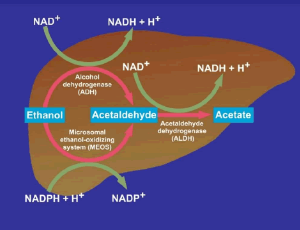
Alcoholic Liver Disease and the co-triggering Role of MEOS with Its CYP 2E1 Catalytic Cycle and ROS
Until the early sixties, the concept prevailed that alcoholic liver disease (ALD), also termed alcohol-related liver disease (ARLD), results from malnutrition commonly observed among individuals consuming chronically high amounts of alcohol rather than being causally related to the use of alcoholic beverages. However, the malnutrition concept became a matter of debate because of the clinical observation that humans, even on a normal diet and without signs of underweight or malnutrition
Conversion Surgery for Hepatocellular Carcinoma Treated with Lenvatinb
Multidisciplinary treatment is widely applied for advanced hepatocellular carcinoma (HCC). Systemic therapy is recommended and can provide a modest prognosis for HCC in Barcelona Clinic Liver Cancer staging C. Lenvatinib is a newly developed multityrosine kinase inhibitor and has become a more preferred targeted drug than sorafenib to achieve conversion surgery due to its higher tumor necrosis effect.
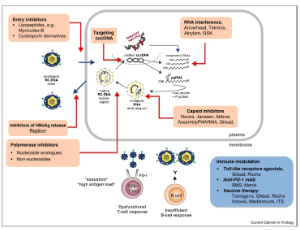
Are We Close to Achieving a HBV Cure? Risk for Hepatocellular Carcinoma Persists Despite Long-term HBV Suppression: An Update on Our Experience
Since the discovery of the hepatitis B virus (HBV) by Blumberg et al., great progress has been made in understanding the pathogenesis of the virus and its role in hepatocellular carcinoma (HCC). It is estimated that hepatitis B is responsible for about 50% of the HCC cases worldwide. Because of geographic variations in HBV incidence, the burden of HBV-related HCC (HBV-HCC) is highest in endemic areas such as Asian-Pacific and sub- Saharan Africa and lowest in the United States and the West.
The Dual Role of Macrophages during Hepatitis B Infection
Hepatitis B virus (HBV) chronically infects more than 250 million individuals worldwide and is responsible for more than 800,000 deaths per year by promoting end-stage liver diseases, among which decompensated cirrhosis and hepatocellular carcinoma (HCC) (WHO, July 2020) are prominent. Studies performed in chimpanzees or in animalversion of HBV (woodchuck HBV: WHBV) highlighted the lack of immune responses against the virus upon primary infection.
Gastric Cancer: A Brief Review, from Risk Factors to Treatment
Gastric cancer (GC), also known as stomach cancer, is a worldwide health problem. Anatomically, it can occur from the gastroesophageal junction to distal portions of the stomach. Considering both sexes, worldwide, it is the 5th most common neoplasm (5.7%) and the 3rd cause of mortality among malignancies, leading to approximately 782,000 deaths in 2018. The incidence varies geographically but 50% of new cases are diagnosed in developed countries. High incidence is observed in Asia, Latin America, and in the central and eastern parts of Europe. There are several ways to classify GC, but the most used is Lauren’s Classification, which proposes two main histological groups: intestinal and diffuse. This classification is important because there are marked etiological, pathological, and epidemiological differences between the subgroups, guiding the clinical approach for each patient.
Preclinical Promise and Clinical Challenges for Innovative Therapies Targeting Liver Fibrogenesis
Liver fibrosis resulting from chronic liver injury can progress to cirrhosis and liver failure. Current treatments are limited, creating an urgent need for novel antifibrotic therapies. Multiple emerging approaches have shown preclinical promise in inhibiting liver fibrogenesis or stimulating regeneration, including artificial liver support, stem cell therapy, cell/gene therapy, nanomedicines, immunotherapy, and herbal medicines.
Elucidating the Role of Chemokines in Infectious Diseases and Gastric Cancer
Although the prevalence of gastric cancer is decreasing in many developed nations, it is the fourth most prevalent cancer and the second leading cause of cancer-related deaths globally. Around 8 percent of recently diagnosed malignant tumors are stomach cancer, more than 7,00,000 individuals die from gastric cancer yearly. Despite extensive research into new diagnostic and therapeutic methods, the prognosis for individuals with advanced stomach cancer remains dismal, and survival rates have hardly improved. In recent years, many latest innovations have improved our understanding of the molecular mechanisms and modifications that contribute to gastric cancer’s beginning and progression, including several genetic and molecular modifications and mutations.
New Trends in Interrelation of Infectious Colorectal Cancer with Intestinal Microbiota
The intestinal microbiota creates a bodily barrier for invading pathogen by using aggressive exclusion. Pathogens and immune cells can interact directly and dynamically with symbiotic bacteria, determining the pathophysiology and outcome of an infection. They can defend the host through a variety of processes, including attachment site occupancy, nutrition intake, metabolite competition, and the synthesis of antimicrobial compounds including bacteriocins that influence pathogen survival (a process referred to as colonization resistance).
Survival Disparity Between Antiviral-Treated and Antiviral-Naïve Patients Who Develop Their First HBV-Associated Hepatocellular Carcinoma
Hepatitis B virus (HBV) infection is a public health problem, accounting for more than 257 million cases of chronic infection and a major cause of hepatocellular carcinoma (HCC) worldwide. With the vaccination and the advent of nucleos(t)ide analogues (NAs) as antiviral therapy, chronic HBV infection currently accounts for approximately 50% of HCC cases worldwide, a significant decrease from >80% in the 1980’s. The reduced incidence of HBV-related HCC (HBV-HCC) with NAs with lamivudine, entecavir, and tenofovir disoproxil fumarate is well documented.
Advances in Functionalized Hybrid Biopolymer Augmented Lipid-based Systems: A Spotlight on Their Role in Design of Gastro Retentive Delivery Systems
Biopolymers have earmarked their importance in the biomedical and pharmaceutical applications. Researchers are still working for the facilitation of better therapeutic effects and medical benefits. In this context, several strategies are on a play like functionalization of biopolymers with physicochemical modification, functionalization of lipids with biopolymers, development of composites or hybrid systems for bringing together the benefits of individual moieties/systems
Alcoholic Liver Disease and the co-triggering Role of MEOS with Its CYP 2E1 Catalytic Cycle and ROS
Until the early sixties, the concept prevailed that alcoholic liver disease (ALD), also termed alcohol-related liver disease (ARLD), results from malnutrition commonly observed among individuals consuming chronically high amounts of alcohol rather than being causally related to the use of alcoholic beverages. However, the malnutrition concept became a matter of debate because of the clinical observation that humans, even on a normal diet and without signs of underweight or malnutrition
The Inappropriate Use of Proton Pump Inhibitors: An Internal Medicine Residency Clinics Effort to Deprescribe
Since 1989, PPIs have become among the top-selling drug classes in the country. It is estimated that in the United States alone, about a quarter of the country suffers from acid related conditions. Their versatility and popularity have prompted the World Health Organization to add PPIs to their list of essential medications. The low cost of PPIs and over the counter (OTC) availability of these medications have made their use ubiquitous in outpatient care.
Updates in the Treatment of Superficial Gastric Neoplasms by Endoscopic Submucosal Dissection
Gastric cancer is one of the neoplasms with the highest degree of mortality worldwide, responsible for more than 780,000 deaths in 2018 and whose incidence has been increasing over the last few years, mainly in Asian and Latin American countries. The technological imaging advances in digestive endoscopy such as virtual chromoendoscopy and magnification associated with a systematic and comprehensive endoscopic examination of the entire gastric mucosa by a trained operator have optimized the early detection of pre-malignant and malignant lesions, which have favoured the high rate of curability through the use of endoscopic resection techniques such as endoscopic submucosal dissection (ESD).
Alcoholic Liver Disease and the co-triggering Role of MEOS with Its CYP 2E1 Catalytic Cycle and ROS
Until the early sixties, the concept prevailed that alcoholic liver disease (ALD), also termed alcohol-related liver disease (ARLD), results from malnutrition commonly observed among individuals consuming chronically high amounts of alcohol rather than being causally related to the use of alcoholic beverages. However, the malnutrition concept became a matter of debate because of the clinical observation that humans, even on a normal diet and without signs of underweight or malnutrition
Are We Close to Achieving a HBV Cure? Risk for Hepatocellular Carcinoma Persists Despite Long-term HBV Suppression: An Update on Our Experience
Since the discovery of the hepatitis B virus (HBV) by Blumberg et al., great progress has been made in understanding the pathogenesis of the virus and its role in hepatocellular carcinoma (HCC). It is estimated that hepatitis B is responsible for about 50% of the HCC cases worldwide. Because of geographic variations in HBV incidence, the burden of HBV-related HCC (HBV-HCC) is highest in endemic areas such as Asian-Pacific and sub- Saharan Africa and lowest in the United States and the West.
The Dual Role of Macrophages during Hepatitis B Infection
Hepatitis B virus (HBV) chronically infects more than 250 million individuals worldwide and is responsible for more than 800,000 deaths per year by promoting end-stage liver diseases, among which decompensated cirrhosis and hepatocellular carcinoma (HCC) (WHO, July 2020) are prominent. Studies performed in chimpanzees or in animalversion of HBV (woodchuck HBV: WHBV) highlighted the lack of immune responses against the virus upon primary infection.
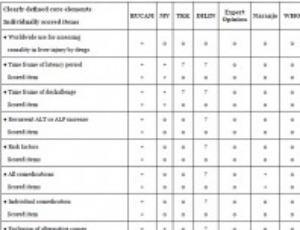
DILI, HILI, RUCAM Algorithm, and AI, the Artificial Intelligence: Provocative issues, Progress, and Proposals
Artificial Intelligence (AI) principles published in 1956 included the recommendation to use algorithms for solving complex processes. The creation of the Roussel Uclaf Causality Assessment Method (RUCAM) was published in 1993 with integration of an intelligent algorithm to solve issues of causality assessment in cases of complex suspected drug induced liver injury (DILI) cases. Other causality assessment methods (CAMs) published before the era of AI and RUCAM followed rather general principles without precise and valid algorithm.
About Scientific Archives
Scientific Archives is a global publisher initiated with the mission of ensuring equal opportunity for accessing science to research community all over the world. Spreading research findings with great relevance to all channels without any barrier is our goal. We want to overcome the challenges of Open Access with ensured quality and transparency.