

Loading
Journal of Cellular Immunology
ISSN: 2689-2812
Volume 3, Issue 1, p1-67
Articles published in this issue are Open Access and licensed under Creative Commons Attribution License (CC BY NC) where the readers can reuse, download, distribute the article in whole or part by mentioning proper credits to the authors.
A Review of the Possibility of Nafamostat Mesylate in COVID-19 Treatment
Nafamostat mesylate is a synthetic serine protease inhibitor, which inhibits various enzyme systems such as coagulation and fibrinolytic systems, the kallikrein–kinin system, the complement system, and the activation of protease-activated receptors. It also inhibits lipopolysaccharide-induced nitric oxide production, apoptosis, and interleukin (IL)-6 and IL-8 levels in cultured human trophoblasts.
J Cell Immunol, 2021, Volume 3, Issue 1, p1-7 | DOI: 10.33696/immunology.3.069
Gene Knock-in Strategy for Engineered T-cell Therapy
Genetically engineered T-cell therapy holds great potential for the curative treatment across a series of cancers. However, drug-related safety concerns need to be addressed in the emerging medicine of the future. T cells are engineered through conventional methods like lentivirus, retrovirus or transposon, which randomly integrate exogenous gene cassette into T cell genome, accompanied by the risks of transcriptional silencing, oncogenesis, and variegated transgene expression.
J Cell Immunol, 2021, Volume 3, Issue 1, p8-11 | DOI: 10.33696/immunology.3.070
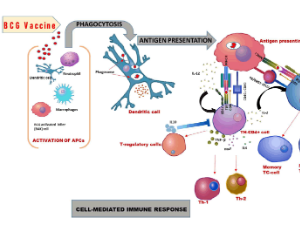
Role of BCG in Reduction of the Spread and Severity of COVID-19
The COVID-19 has started from China and spread to all countries within a very short period. The severity of the disease varies from one patient to another as well as one country to another. It depends on the immune status of individuals simultaneously on the quality of the environment and customs of a particular country.
J Cell Immunol, 2021, Volume 3, Issue 1, p12-19 | DOI: 10.33696/immunology.3.071
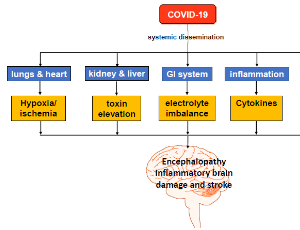
COVID-19, the Immune System, and Neurological Damage
The Germ Theory of Disease was solidified in the 19th century by Louise Pasteur and Robert Koch. They systematically visualized, isolated, and quantified microscopic pathogens as causative agents of diseases and epidemics. Viruses are submicroscopic; therefore, they were discovered later as pathogens by indirect methods.
J Cell Immunol, 2021, Volume 3, Issue 1, p20-25 | DOI: 10.33696/immunology.3.072
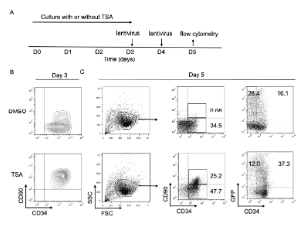
The Interplay between Transcription Factor SALL4 and Histone Modifiers in Hematopoietic Stem and Progenitor Cells
Currently, there is a growing need for culturing hematopoietic stem/progenitor cells (HSPCs) ex vivo for various clinical applications such as HSPC transplantation and gene therapy. For many patients with hematologic, genetic, and immune diseases, HSPC transplants can be a life-saving treatment. There are over 20,000 patients in the US receiving HSPC transplantation yearly.
J Cell Immunol, 2021, Volume 3, Issue 1, p26-30 | DOI: 10.33696/immunology.3.073
The Role of Quantification of Glucocorticoid-associated Toxicity in Severe Asthma
Until recently, oral glucocorticoid (GC) therapies were the mainstay of treatment for uncontrolled inflammatory disease across many body systems. The last 30 years, however, have witnessed a transformation in the management of many diseases due to the development of targeted biological agents leading to a reduction, albeit not a removal, of the dependence on oral GCs.
J Cell Immunol, 2021, Volume 3, Issue 1, p31-35 | DOI: 10.33696/immunology.3.074
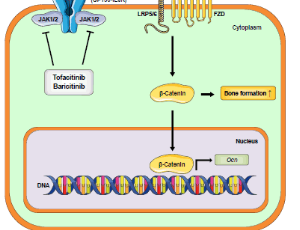
Prospects of JAK Inhibition in the Framework of Bone Loss
Cytokine receptors may possess an intrinsic capability for the transduction of signals upon engagement by the respective cytokine ligand. However, if they lack an own intracellular signaling entity, they rely on other signaling machineries. One of the key intracellular signaling molecules mediating cytokine effects on immune cells are Janus kinases (JAKs),
J Cell Immunol, 2021, Volume 3, Issue 1, p36-41 | DOI: 10.33696/immunology.3.075
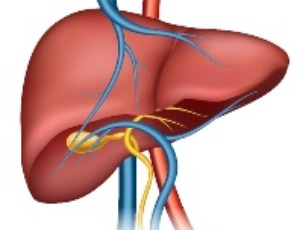
The Role of Myeloid Populations during Perinatal Liver Injury and Repair
Perinatal liver inflammation can have life-threatening consequences, particularly in infants and young children. An example of a hepatic inflammatory disease during infancy is biliary atresia (BA), an obliterative cholangiopathy that rapidly progresses to hepatic fibrosis and liver failure.
J Cell Immunol, 2021, Volume 3, Issue 1, p42-45 | DOI: 10.33696/immunology.3.076
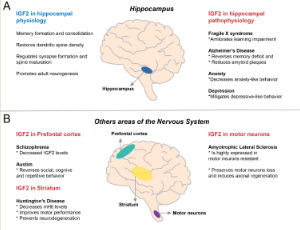
Insulin-like Growth Factor 2: Beyond its Role in Hippocampal-dependent Memory
The insulin-like peptides family is composed of insulin, insulin-like growth factor 1 (IGF1), and insulin-like growth factor (IGF2), together with IGF binding proteins (IGFBP1- IGFBP6). IGF2 is a single-chain secreted protein of 67 amino acids with important functions in fetal growth and development. IGF2 is the less characterized member of this family, and in mice and rats its expression in the brain occurs during embryonic development and adulthood but declines during aging.
J Cell Immunol, 2021, Volume 3, Issue 1, p46-52 | DOI: 10.33696/immunology.3.077
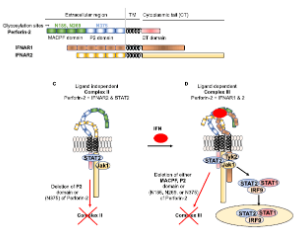
Role of Perforin-2 in Regulating Type I Interferon Signaling
Sepsis is a systemic inflammatory response caused by a harmful host immune reaction that is activated in response to microbial infections. Infection-induced type I interferons (IFNs) play critical roles during septic shock. Type I IFNs initiate their biological effects by binding to their transmembrane interferon receptors and initiating the phosphorylation and activation of tyrosine kinases TYK2 and JAK1, which promote phosphorylation and activation of STAT molecules.
J Cell Immunol, 2021, Volume 3, Issue 1, p53-60 | DOI: 10.33696/immunology.3.078
Teledermatology Before, During, and After COVID-19: A Vital Tool to Improve Access and Equity in Specialty Care
Since the onset of the COVID-19 pandemic, telemedicine has rapidly expanded across the nation as medical systems have had to shift to providing care through virtual modalities to ensure the safety of patients and staff. Teledermatology, in particular, is wellsuited for telemedicine, with literature supporting its efficacy, equitable quality and accuracy, and cost-effectiveness in comparison to in-person visits.
J Cell Immunol, 2021, Volume 3, Issue 1, p61-67 | DOI: doi.org/10.33696/immunology.3.079
Cyclic Nucleotide Signaling Pathways in Apicomplexan Parasites Provide a Valuable Source for Novel Drug Targets
Malaria is one of the most important disabling human, tropical disease caused by different Plasmodium species, which are protozoan parasites belonging to the Apicomplexa. The Apicomplexan parasites have a plastid like structure the “apicoplast” and comprise the genera Plasmodium, Toxoplasma and Cryptosporidium causing malaria, toxoplasmosis, and cryptosporidiosis.
COVID-19 Clinical Research
While the global COVID-19 pandemic has challenged the entire humanity and health systems, it also triggered researchers to urgently perform clinical trials to assess the safety and efficacy of many agents and modalities to combat COVID-19. As of April 22, over 650 clinical studies have been registered both in USA and internationally. Results from these studies are also coming at a brisk pace in this unprecedented emergency.
Ubiquitin Proteasome System Regulates Biological Particles Interaction in Particle Disease (PD) via NF-κB Signaling
Considering their outstanding mechanical character, it is inevitable to utilize titanium and titanium composite for biomedical engineering application [1-6]. However, the particles releasing from these bulks or composites of biomaterials after long term implanting in human body will cause cell apoptosis or cell death, inflammation, bone
Therapeutic Values of Ketamine for COVID-19-Cared Patients: An Expert’s Point of View
Ketamine has long been used in the field of anesthesia [1]. Its rapid and long-acting analgesic effects associated with its dissociative properties have also established its use in prehospital and emergency department patients.
A Bioinformatics Protocol for Rational Design of Peptide Vaccines and the COVID-19 Rampage
The currently ongoing coronavirus pandemic, the SARSCOV- 2, interchangeably referred to as the COVID-19 infection, has in a short span of time altered the ways and means of almost all of mankind. So strong has been its effect that all human activity ceased in one way or another for a considerable time, led to significant loss of life and economic drain of.
DNA Nanotechnology Engineered Vesicle for Mimicking Biomolecular Signaling
Bio-inspired strategy is kind of interesting to fabricate devices and perform dynamic operations [1]. Various devices have been made, such as airplane, radar and submarine. In life science, as the fundamental entity, million years’ evolution enables cell becomes the most successful functionality.
Lessons Learnt from COVID-19: How Can We Prepare for Another Pandemic?
Five months into the COVID-19 pandemic, the U.S. death toll from the virus has now surpassed 100,000 people. Many more cases remain nationwide, while an unknown number of patients currently harbor the virus asymptomatically. While health officials are now optimistic regarding the decline in prevalence and number of deaths due to COVID-19 and the possibility of a vaccine by the fall, we cannot lose sight of the bigger picture: the next pandemic.
Safety of Using Rituximab Therapy During COVID-19 Pandemic
Our modern world is facing extraordinary circumstances while passing through a serious pandemic caused by the novel coronavirus (COVID-19) which may lead to multi-organ system failure & death. Bcell depletion could compromise antiviral immunity, which makes the safety of rituximab use in the COVID19 era unclear.
Generating Awareness and a Planned Multidisciplinary Treatment Approach Can Save Both the Sight and Life in Retinoblastoma in Developing Countries
While rare, retinoblastoma is the most common (1:16000 – 18000 live births) intraocular and life threatening tumor of childhood. According to the World Health Organization (WHO), 66% of children present with symptoms before 2 years of age and 95% before 5 years of age. About 8000 new cases are detected annually with the highest incidence in Africa and India. In fact, more than 1400 cases each year are from India. According to Mukesh et al., 43% of the global burden lives in 6 countries of Asia (India, China, Indonesia, Pakistan, Bangladesh & Philippines).
Educators as Essential Workers in the Era of COVID-19: Applying Lessons from Disaster Recovery
In the article, “Mental Health Framework: Coronavirus pandemic in post-Katrina New Orleans” [1], Shervington and Richardson offer recommendations about how to anticipate and address disaster-related, trauma exposures associated with the coronavirus pandemic
How Well Do Hemodialysis Patients Respond to the BNT162b2 mRNA COVID-19 Vaccine?
In January 2020, the World Health Organization (WHO) classified COVID-19 to be a Public Health Emergency of International Concern and declared it a pandemic on March 11, 2020 [1]. Over one hundred and eighty-five million people have been infected by SARS-CoV-2 and roughly four million have died worldwide so far
The Potential Role of SEPT6 in Liver Fibrosis and Human Hepatocellular Carcinoma
Liver fibrosis is a reversible wound-healing response in which a variety of cells and factors are involved in and results in excessive deposition of extracellular matrix (ECM). Cirrhosis is one of the significant causes of portal hypertension and end-stage liver disease, and it is the 14th most common cause of death around the world. Approximately 1.03 million people worldwide die from liver cirrhosis every year.
Reduced BCR Signaling and a Metabolic Shift Accompanies Malignant Progression of Follicular Lymphoma: A Lesson from Transcriptomics
In the manuscript entitled “The ion channels and transporters gene expression profile indicates a shift in excitability and metabolisms during malignant progression of Follicular Lymphoma”, we reported recent advances in our understanding of how the gene expression profile of ion channels and transporters (ICT-GEP) contributes to identify specific signatures associated with Follicular Lymphoma (FL), with those FL that acquire chemoresistance after a relapsing-remitting course, and with the more aggressive Diffuse Large Cell Lymphoma (DLBCL), which in some cases represent the evolution of FLs.
The Challenge of Cognitive Dissonance in the Delivery of Precision Medicine in Veterinary Oncology
The use of molecular and genomic analysis of a cancer as a means to define a patient-specific treatment is interchangeably referred to as Precision Medicine, Personalized Medicine, or Genomically-directed medicine (herein, collectively PMED). In the foregoing commentary we have focused on PMED approaches related to treatment selection and do not prioritize the development of novel molecular assays used to guide patient diagnostics or prognostication.
Role of Sphingolipid Signaling in Glomerular Diseases: Focus on DKD and FSGS
Being a sophisticated and highly organized living system, mammals harbor a large number of biomolecular machineries which represent a dynamic and complex network of interconnections responsible for the effective operation, development and survivability of their body cells. Sphingolipids are a special class of lipids in eukaryotic cells, which have recently gained the attention of researchers because of their involvement in several fundamental processes of living cells, including proliferation
In silico Analysis for the Repurposing of Broad-spectrum Antiviral Drugs against Multiple Targets from SARS-CoV-2: A Molecular Docking and ADMET Approach
SARS-CoV-2 belongs to the genus Beta of the Coronaviridae family of enveloped single-stranded, positive-sense ribonucleic acid (RNA) with a genome length of 30,000bp. The virion is composed of various non-structural (RNA dependent RNA polymerase also known as RdRp) and structural proteins such as Spike (S), Nucleocapsid (N), Matrix (M), and Envelope (E) proteins.
Is Citrate A Critical Signal in Immunity and Inflammation?
When immune cells are activated, they undergo metabolic change in order to have sufficient energy to function effectively. The Krebs cycle is one of the most important pathways involved in this response and citrate, a critical component of this pathway, regulates carbohydrate and lipid metabolism.
Predicting COVID-19 Hospitalized Patients’ Outcome with Homocysteine
The COVID-19 pandemic has provoked a global, rapid increase of cases due to the high infectivity of the etiological agent, COVID-19 virus. In February 2021, over 110 million confirmed COVID-19 cases with 1 million deaths were reported worldwide (www.who.int).
Primary Temporal Bone Meningioma Presenting as Chronic Mastoiditis and Sigmoid Sinus Thrombosis: Report of a Case with Literature Analysis
Primary extra cranial meningioma of the ear and temporal bone are exceedingly rare, making up less than 1% of all meningiomas. Histologically, they are indistinguishable from their intracranial counterpart. The histopathologic diagnosis is often challenging, and the differential diagnosis for neoplasms in this unusual location is quite extensive. We report a 64-year-old male patient with history of seizures who presented with coalescing mastoiditis and sigmoid sinus thrombosis.
Genetic Predisposition of Breast Cancer in the United Arab Emirates
This commentary refers to our published article, as highlighted in this article most common gene causing breast cancer in the population living in the United Arab Emirates is BRCA2 followed by BRCA1. This is the first publication discussing about clinical and pathological features of breast cancer in woman with a positive genetic mutation in the United Arab Emirates. The UAE has a rising population of a mixed ethnic population with predominantly Arabic background.
Scientific Archives is a global publisher initiated with the mission of ensuring equal opportunity for accessing science to research community all over the world. Spreading research findings with great relevance to all channels without any barrier is our goal. We want to overcome the challenges of Open Access with ensured quality and transparency.