Loading


Journal of Experimental Neurology
ISSN: 2692-2819
New Articles
Articles published in this issue are Open Access and licensed under Creative Commons Attribution License (CC BY NC) where the readers can reuse, download, distribute the article in whole or part by mentioning proper credits to the authors.
Articles in Press
Beyond Clinical Trials: Perampanel across the Lifespan in Contemporary Epilepsy Practice
Anita N. Datta
Perampanel (PER) occupies a singular place in anti-seizure pharmacology. As the only anti-seizure medication (ASM) that acts through selective, non-competitive blockade of α-amino-3-hydroxy-5-methyl-4-isoxazolepropionic acid (AMPA) receptors, the principal mediators of fast excitatory neurotransmission in the brain, it brings a mechanistic distinctiveness that sets it apart from agents targeting sodium channels, calcium currents, or synaptic vesicle proteins
J Exp Neurol, Volume 7, Issue 3, p101-108
Demyelinating Polyneuropathy as the Initial Presentation of Poems Syndrome. The Challenge of Early Diagnosis. A Case Report and Literature Review
Danny Sameh Darwich, Fawaz Ghouse, Adel Kanaan, Shalini Cherala
POEMS syndrome is a rare paraneoplastic multisystemic disorder caused by an underlying monoclonal plasma-cell dyscrasia and characterized by Polyneuropathy, Organomegaly, Endocrinopathy, Monoclonal plasma cell disorder, and Skin changes. Because early manifestations often overlap with other conditions such as chronic inflammatory demyelinating polyneuropathy (CIDP) and multiple myeloma, diagnosis is frequently delayed.
J Exp Neurol, Volume 7, Issue 3, p109-119
The Cost of Safety: Balancing Biosafety and Histologic Integrity in Prion Research
Alyssa Seerley, Andrea Grindeland Panter
Prion diseases, or transmissible spongiform encephalopathies (TSEs), represent a group of incurable and invariably fatal neurodegenerative disorders driven by the pathological misfolding of the prion protein (PrP) [1–6]. These diseases are characterized by a progressive clinical course and, despite their significant impact on human [7–17] and animal [1,10,18–30] health, currently lack effective therapeutic interventions [31–34] and are limited in early-stage diagnostics [1,7,31–33]. Given the broad host range of prion diseases, together with the absence of effective treatments and limited antemortem diagnostic options, continued prion disease research remains essential.
J Exp Neurol, Volume 7, Issue 3, p120-124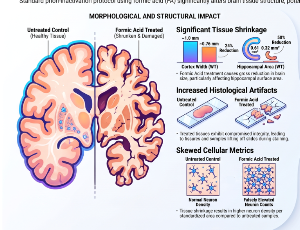
Extracellular Vesicles in Angelman Syndrome: Expanding UBE3A Role beyond a Cell Autonomous Mechanism
Eduardo Penna, Michel Baudry, Xiaoning Bi
Angelman syndrome (AS) is a severe neurodevelopmental disorder caused by the loss of maternal UBE3A, an E3 ubiquitin ligase essential for neuronal development, synaptic plasticity, and cognitive function. AS has traditionally been viewed as a cell-autonomous disorder in which intracellular UBE3A deficiency drives neuronal dysfunction. However, recent evidence suggests that impaired extracellular vesicle (EV)-mediated intercellular communication also contributes to disease pathophysiology.
J Exp Neurol, Volume 7, Issue 3, p125-134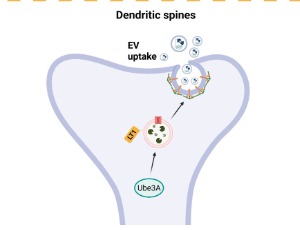
Commentary: Does First-Line Treatment Impact Outcomes in Trisomy 21-Associated Infantile Epileptic Spasms Syndrome?
Muzna AlFarsi, Anita N. Datta
Trisomy 21 (T21) is the most common chromosomal disorder and is associated with a substantially increased risk of epilepsy, affecting approximately 5–10% of children [1,2]. Among infants with T21, infantile epileptic spasms syndrome (IESS) is the most common epilepsy syndrome of the first year of life, with a reported prevalence of 0.6–13%, approximately 100-fold higher than in the general population [3,4]. The occurrence of IESS adds an additional burden to a population already at risk for neurodevelopmental impairment, making early recognition and effective treatment particularly important [2,5,6].
J Exp Neurol, Volume 7, Issue 3, p135-140
Recommended Articles
Study on Imaging Findings, Pathology and Treatment of Cerebellar Infarction
To explore the pathological mechanism and clinical treatment of cerebellar infarction through the clinical imaging changes of cerebellar infarction.
Prevention of Suicide in Persons with Progressive Neurological Diseases
People suffering with neurological diseases are at risk of committing suicide. A case-control study found increased risk of attempted suicide in patients with nine chronic neurological diseases [1]
Epilepsy in Neurodegenerative Disease: A Commentary
Case Summary - We published a case report of a 22-year-old woman who presented to our university hospital with encephalopathy and left hemiparesis of a few weeks duration.
What is the Time Necessary to be Able to Place Transpedicular Screws According to the Chosen Technique?
Transpedicular screw placement techniques are technically plaintiffs have relied on navigation intraoperative which is limited by its high cost, limited use of a fluoroscope with the radiological overexposure of the personnel of health and patient offers limited help when placing screws, and vertebral anatomical modifications especially in patients with degenerative pathology result an index of placement-related complications suboptimal of the screws [1,2].
Since its introduction by Roy-Camille [3] and Louis [4] in the seventies, the use of screws pedicle has increased markedly to the present day
Commentary on "Dysfunction of the Magnocellular Stream in Alzheimer Disease Evaluated by Pattern Electroretinograms and Visual Evoked Potentials"
Alzheimer’s disease (AD) represents the most common cause of dementia. Even if AD is commonly viewed as a disorder primarily of memory, there are several other additional domains, including visual function.
Should Food Cravings be Controlled or Understood?
Food Cravings (FC) is the term commonly used to describe sensations related to an intense desire for specific consumption [1], and there are features that we separate into internal and external aspects related to FC [2]
Skeletal Muscle Weakness Often Occurs in Patients with Myalgic Encephalomyelitis / Chronic Fatigue Syndrome (ME/CFS)
This commentary complements data reported in Clinical Biomechanics [1] reporting reduced maximal handgrip strength in numerous patients with myalgic encephalomyelitis / chronic fatigue syndrome (ME/CFS) in proportion to their lowered maximal physical performances.
Managing Acute Urinary Dysfunction for Neurologic Injury Patients
Damage to the nervous system can have direct and indirect impact on the lower urinary tract. Broadly speaking, damage can be grouped into three categories: problems with bladder storage, stress incontinence, and problems with bladder emptying [1].
To Stick or Not to Stick? Scalp and Intracranial EEG Evaluation Both Help Achieve Good Surgical and Neuropsychiatric Outcomes in Epilepsy Surgery up to 20 Years Post-Surgery
Epilepsy has a worldwide prevalence of about 50 million [1]. Seizure medications provide adequate control in two thirds of these patients but about a third are refractory to multiple medications and need surgery or other treatments [2].
Intracranial Pressure Monitoring in Aneurysmal Subarachnoid Hemorrhage -Current Practices and Challenges
The annual incidence of aneurysmal subarachnoid hemorrhage (SAH) in the United States is 6-16 cases per 100,000 population, with approximately 30,000 cases occurring each year.
Treatment of Neurological Manifestations of Mucopolysaccharidoses: Translational Considerations in Drug Development
Since the development of Ceredase® and Cerezyme® for the treatment of Gaucher disease in the early 1990s, treatment of lysosomal storage disorders via enzyme replacement therapy (ERT) has provided life-changing benefit to patients and their families.
Commentary to the Newly Rising Aquatic Exercise: Ai Chi
As aquatic therapy has become an important rehabilitative option, more exercise programs have emerged. Ai Chi, is one of the therapeutic aquatic exercise concepts with growing potential.
Microptofluidic Technology for Biodiagnostics of Traumatic Brain Injury: A Commentary
Traumatic brain injury (TBI) is a leading cause of death and neurological disability worldwide with millions of people sustaining and living with its long-term effects []. TBI is often categorized as mild, moderate and severe with primary injuries separated as either focal or diffuse, with the latter including contusions, intracranial hematomas and brain herniation.
Alzheimers Disease: A Brief Review
The worldwide prevalence of dementia is estimated to be over 45 million people. Alzheimer’s disease (AD) is the most common cause of dementia, responsible for 60-80% of cases.
Effect of Exosomes on Alzheimer’s Disease
AD is a neurodegenerative disease characterized by progressive cognitive impairment, behavioral changes, memory loss and executive dysfunction, all of which present serious threats to the health of older people.
Neurocysticercosis: Autoantibodies, Another Cog in the Wheel of Its Variable Pathogenicity
Neurological diseases are a major cause of disability and the second cause of death today. This reality has stimulated the search for predictive biomarkers facilitating early diagnosis and the design of appropriate treatments.
Comment On: Modulatory Effects of Magnetic Vestibular Stimulation on Resting-State Networks Can be Explained by Subject-Specific Orientation of Inner Ear Anatomy in the MR Static Magnetic Field
It was recently demonstrated that modulations in resting-state networks (RSNs) can be introduced via the stimulation of the vestibular inner ear by a strong magnetic field (>1 tesla) as used in magnetic resonance imaging (MRI).
Alzheimer and It’s Possible Therapy: A Review
It is one of the most prevalent neurodegenerative disorder in the world, first described by a German Scientist, Alois Alzheimer, in 1906.
Retroviral Elements in Human Evolution and Neural Development
Human embryogenesis and the development of its most unique product, the human brain, are believed to be precisely regulated by factors adopted during human
evolution that differentiate us from other species.
Resolving the Molecular Steps in Clostridial Neurotoxin Light Chain Translocation
Due to use as human vaccines and therapies, the clostridial neurotoxins (CNTs) have been subjected to decades of scientific investigation using biophysical, electrophysiological, and pharmacological approaches to establish mechanisms of toxin action.