

Loading
Journal of Cellular Immunology
ISSN: 2689-2812
Volume 3, Issue 4, p201-295
Articles published in this issue are Open Access and licensed under Creative Commons Attribution License (CC BY NC) where the readers can reuse, download, distribute the article in whole or part by mentioning proper credits to the authors.
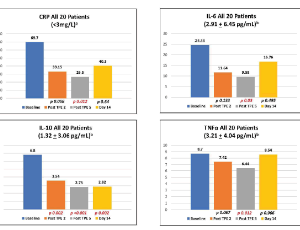
Efficacy of Therapeutic Plasma Exchange Alone or in Combination with Ruxolitinib for the Treatment of Penn Class 3 and 4 Cytokine Release Syndrome Complicating COVID-19
This study was conducted to validate the efficacy of therapeutic plasma exchange (TPE) in reducing the excessive cytokine load complicating a subset of patients with severe COVID-19 and respiratory compromise. Additionally, this trial explored molecular signals of potential benefit by the addition of JAK inhibition to TPE. Findings included an improvement in cytokine excess and oxygenation along with incremental benefit in cytokine reduction with the addition of ruxolitinib.
J Cell Immunol, 2021, Volume 3, Issue 4, p201-206 | DOI: 10.33696/immunology.3.100
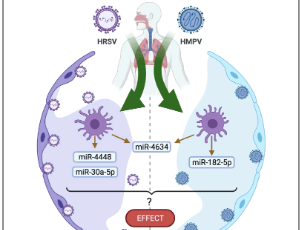
The Importance of miRNA Identification During Respiratory Viral Infections
The expression of small non-coding RNA MicroRNAs (miRNAs) during respiratory viral infections is of critical importance as they are implicated in the viral replication, immune responses and severity of disease pathogenesis. Respiratory viral infections have an extensive impact on human health across the globe. For that is essential to understand the factors that regulate the host response against infections.
J Cell Immunol, 2021, Volume 3, Issue 4, p207-214 | DOI: 10.33696/immunology.3.101
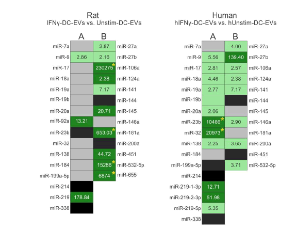
Environmental Enrichment and Its Benefits for Migraine: Dendritic Cell Extracellular Vesicles as an Effective Mimetic
Environmental enrichment produces beneficial effects in the brain at genetic, molecular, cellular and behavior levels, and has long been studied as a therapeutic intervention for a wide variety of neurological disorders. However, the complexity of applying a robust environmental enrichment paradigm makes clinical use difficult. Accordingly, there has been increased interest in developing environmental enrichment mimetics, also known as enviromimetics.
J Cell Immunol, 2021, Volume 3, Issue 4, p215-225 | DOI: 10.33696/immunology.3.102
Immunotherapy for Dogs: Still Running Behind Humans
Despite all good intentions, dogs are still running behind humans in effective cancer immunotherapies. The more effective treatments in humans, like infusions of CAR-T and NK-cells are not broadly pursued for canines due to significant costs, the rather complicated logistics and the lack of targetable surface antigens. Monoclonal antibodies are challenging to develop considering the limited knowledge about canine target antigens and about their mode of action.
J Cell Immunol, 2021, Volume 3, Issue 4, p226-233 | DOI: 10.33696/immunology.3.103

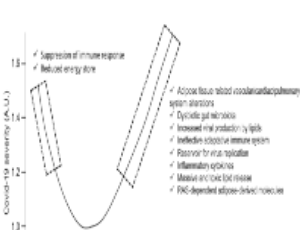
Body Mass Index and COVID-19: Likely Causes for Obesity and Undernutrition Correlation with Disease Severity
Very early on clinicians around the world reported that in addition to aging and various heart pathologies, excess of body weight, especially obesity is a major risk factor for the severity of COVID-19 infection. The multitude of symptoms that have been described from human patients likely arises from the broad distribution of ACE2, a member of the angiotensin receptor family, the receptor for SARS-CoV-2, among which adipose tissue is a prominent one.
J Cell Immunol, 2021, Volume 3, Issue 4, p234-239 | DOI: 10.33696/immunology.3.104
Novel Combination Treatments for AML
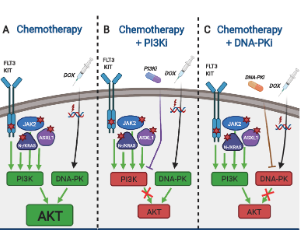
Drug resistance of cancer patients toward chemotherapy remains a major problem in the clinic. Hence, understanding the intrinsic and acquired molecular mechanisms of drug resistance in cancer patients is paramount to identify relevant targets for therapeutic interventions that enhance chemotherapy response, and ultimately improve clinical outcome.
J Cell Immunol, 2021, Volume 3, Issue 4, p240-245 | DOI: 10.33696/immunology.3.105
Expression of Pu.1, C/Ebpα and Bach1 Transcription in Immune Cells in Patients with Cancer
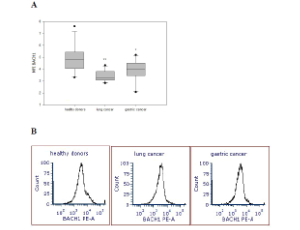
Dysfunction and abnormal differentiation of immune cells and hematopoietic precursors are well described in patients with cancer, although the role of transcription factors in these defects is not well established. Here, we evaluated expression of C/EBPa, PU.1 and BACH1 transcription factors in lymphoid and myeloid cells, including NK cells, T cells, neutrophils and monocytes, isolated from healthy donors and cancer patients.
J Cell Immunol, 2021, Volume 3, Issue 4, p246-257 | DOI: 10.33696/immunology.3.106
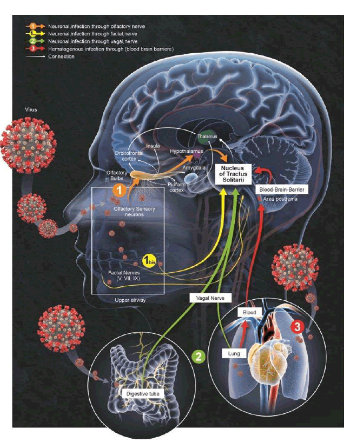
Neurological Manifestations Associated with SARS-CoV-2 Invasion of the Autonomous Nervous System
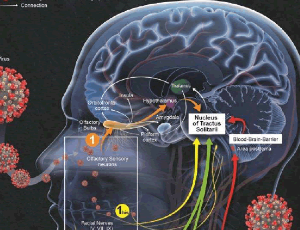
Although pneumonia and acute respiratory failure are the most frequent and severe complications of patients with SARS-CoV-2 infection, many of them also develop neurological signs and symptoms. From sickness behavior to coma, neurological disorders are associated with impairment of consciousness and dysautonomia, resulting from brainstem dysfunction.
J Cell Immunol, 2021, Volume 3, Issue 4, p258-277 | DOI: 10.33696/immunology.3.107
Commentary on “A Vaccine for Photodynamic Immunogenic Cell Death: Tumor Cell Caged b y Cellular Disulfide–Thiol Exchange for Immunotherapy”
Tumor immunotherapy, including monoclonal antibody of immune checkpoint blockade, therapeutic antibody, cancer vaccine and cell therapy, etc., is to restart and maintain the tumor immune cycle, restore the normal antitumor immune response of the body, so as to control and eliminate the tumor. Among them, tumor vaccine, which can elicit robust immune response and produce sustained immune memory effect, is particularly favored in the treatment and prevention of tumor recurrence.
J Cell Immunol, 2021, Volume 3, Issue 4, p294-295 | DOI: 10.33696/immunology.3.109
Chimeric Antigen Receptor CAR NK Cells Emerging Immunotherapy for the Treatment of Cancer
Although NK cells are recognized as effector lymphocytes of the innate immune system, they also regulate the adaptive immune response by releasing inflammatory cytokines and developing immunological memory. Unlike other lymphocytes such as T or B cells, NK cells do not express rearrangeable, antigen-specific receptors.
Emerging Role of TRPML1 Mucolipin Endolysosomal Channel in Cancer
The transient receptor potential mucolipin 1 (TRPML1) is an endolysosomal channel belonging to the TRP family. Clinically, mutations of TRPML1 have been responsible for a severe lysosomal storage disorder called mucolipidosis type IV.
Manipulating Oxidative Stress Following Ionizing Radiation
It is now well accepted that the ionizing radiation-generated reactive oxygen species (ROS), that constitute ~2/3 of the effects of external beam radiation, do not only produce direct tumor cell death, but also affect the surrounding microenvironment. Moreover, this indirect effect of radiation may result in systemic effects, specifically the initiation of an inflammatory response.
COVID-19 Clinical Research
While the global COVID-19 pandemic has challenged the entire humanity and health systems, it also triggered researchers to urgently perform clinical trials to assess the safety and efficacy of many agents and modalities to combat COVID-19. As of April 22, over 650 clinical studies have been registered both in USA and internationally. Results from these studies are also coming at a brisk pace in this unprecedented emergency.
Therapeutic Values of Ketamine for COVID-19-Cared Patients: An Expert’s Point of View
Ketamine has long been used in the field of anesthesia [1]. Its rapid and long-acting analgesic effects associated with its dissociative properties have also established its use in prehospital and emergency department patients.
A Bioinformatics Protocol for Rational Design of Peptide Vaccines and the COVID-19 Rampage
The currently ongoing coronavirus pandemic, the SARSCOV- 2, interchangeably referred to as the COVID-19 infection, has in a short span of time altered the ways and means of almost all of mankind. So strong has been its effect that all human activity ceased in one way or another for a considerable time, led to significant loss of life and economic drain of.
Circulating Cell-Free RNA: A New Perspective for Endometrial Cancer
In order to implement the knowledge of cancer to monitor its evolution and setting, in the last decade, new minimally invasive and repeatable samples collection have been developed such as liquid biopsy. Cancer biomarkers originating from tumors can represent the molecular status of the tumor or its metastases which release them directly into body fluids or indirectly due to disruption of tumor/metastatic tissue. These biomarkers are detectable in liquid biopsy.
Mega-Dose Dietary Riboflavin in Treatment in Keratoconus, Post-Refractive Cornea Ectasia and Migraine. Has Its Time Arrived?
Recently, several studies and investigators have shown the beneficial effects of high dose dietary riboflavin (vitamin B2) in the treatment of keratoconus, post-refractive (LASIK, PRK & Radial Keratotomy) ectasia (with sunlight exposure) and patients treated with our own protocol (NIH Clinical Study – www.clinicaltrials.gov - # NCT 03095235) discovered significant relief for intractable migraine headaches and/or ophthalmic migraine (classic migraine visual symptoms without headache).
DNA Nanotechnology Engineered Vesicle for Mimicking Biomolecular Signaling
Bio-inspired strategy is kind of interesting to fabricate devices and perform dynamic operations [1]. Various devices have been made, such as airplane, radar and submarine. In life science, as the fundamental entity, million years’ evolution enables cell becomes the most successful functionality.
Impact of Cisplatin Dosing Regimens on Mammary Tumor Growth in an Animal Model
In a recent paper, we introduced a variant of the classical Simeoni tumor growth model, and illustrated its value in assessing tumor growth in a reproducible mouse model for mammary tumors. Our modification consisted of incorporating delay differential equations in the mathematical formulation of the Simeoni model, to represent the delay in drug action often observed under chemotherapeutic or immunotherapeutic regimens.
Lessons Learnt from COVID-19: How Can We Prepare for Another Pandemic?
Five months into the COVID-19 pandemic, the U.S. death toll from the virus has now surpassed 100,000 people. Many more cases remain nationwide, while an unknown number of patients currently harbor the virus asymptomatically. While health officials are now optimistic regarding the decline in prevalence and number of deaths due to COVID-19 and the possibility of a vaccine by the fall, we cannot lose sight of the bigger picture: the next pandemic.
Safety of Using Rituximab Therapy During COVID-19 Pandemic
Our modern world is facing extraordinary circumstances while passing through a serious pandemic caused by the novel coronavirus (COVID-19) which may lead to multi-organ system failure & death. Bcell depletion could compromise antiviral immunity, which makes the safety of rituximab use in the COVID19 era unclear.
Deubiquitinase as Potential Targets for Cancer Immunotherapy
During the last few decades, immunotherapy is considered to be an important approach to help our immune system to fight various kinds of diseases, such as tumor. Sometimes, it works very well for some types of cancers, for example: bladder cancer, colorectal cancer, breast cancer and lymphoma.
The Effect of Glucocorticoids on Angiogenesis in the Treatment of Solid Tumors
Glucocorticoids (GCs) are defined by their role in maintaining glucose homeostasis and natural GCs are a class of corticosteroids secreted by the adrenal cortex. Cortisol is the most important natural GC in humans. Cellular cortisol levels are regulated by the tissue-specific metabolic enzymes 11β-hydroxysteroid dehydrogenase 1 and 2 (11β-HSD 1 and 2); 11β-HSD 1 converts inactive cortisone to active cortisol, while 11β-HSD 2 has the opposite function.
Distinct Phosphorylation of STAT1 Confers Distinct DNA Binding and Gene-regulatory Properties
Signal transducer and activator of transcription 1 (STAT1) protein plays a pivotal role in various biological processes especially the regulation of innate and adaptive immune responses. Phosphorylation represents a key step in the activation of STAT1 and its transcriptional outcome. Binding of various extracellular ligands to their specific cell-surface receptors activates different phosphorylation of STAT1 followed by a distinct change of gene expression patterns.
Educators as Essential Workers in the Era of COVID-19: Applying Lessons from Disaster Recovery
In the article, “Mental Health Framework: Coronavirus pandemic in post-Katrina New Orleans” [1], Shervington and Richardson offer recommendations about how to anticipate and address disaster-related, trauma exposures associated with the coronavirus pandemic
How Well Do Hemodialysis Patients Respond to the BNT162b2 mRNA COVID-19 Vaccine?
In January 2020, the World Health Organization (WHO) classified COVID-19 to be a Public Health Emergency of International Concern and declared it a pandemic on March 11, 2020 [1]. Over one hundred and eighty-five million people have been infected by SARS-CoV-2 and roughly four million have died worldwide so far
Possible Functions of the Conserved Peptides Encoded by the RNA - precursors of miRNAs in Plants
MicroRNAs (miRNAs) are short double-stranded regulatory molecules derived from precursor transcripts called primary miRNAs (pri-miRNAs) and transcribing in the nucleus from chromosomal DNA by the RNA polymerase II. These pri-miRNAs were shown to contain internal imperfect hairpin structures which are processed by DCL (dicer-like) enzyme
Role of the Gut Microbiome in the Modulation of Cancer Immunotherapy Response
The gut microbiome or gut flora is a vast community of microorganisms such as bacteria, viruses, protozoa, and fungi that inhabit the digestive tract of the human and other animals. In the human body, bacterial species colonize into the oral cavity, skin, vagina, and placenta, however, the largest population of microorganisms resides in the intestine. The majority of gut microbiota belong to the phyla Firmicutes, Bacteroidetes, Proteobacteria and Actinobacteria.
Can Filtration Technology Advance Culture of Circulating Tumor Cells towards Precision Medicine?
Expansion of Circulating Tumor Cells (CTC), the metastatic seeds of cancer in the blood stream, holds great potential in clinical application, especially towards precision medicine. Given the relatively rare nature of CTCs, their culture remains to be a significant challenge. When developing technologies for CTC culture, there are key elements that need careful consideration, including the speed of culture, compatibility with downstream analysis, and the implementation of the technology into established clinical daily routines. Herein, we briefly discuss the implications of our recent report of an ultrathin filter for the capture and culture of circulating colon cancer cells.
Scientific Archives is a global publisher initiated with the mission of ensuring equal opportunity for accessing science to research community all over the world. Spreading research findings with great relevance to all channels without any barrier is our goal. We want to overcome the challenges of Open Access with ensured quality and transparency.