
Loading
Journal of Diabetes and Clinical Research
ISSN: 2689-2839
Volume 2, Issue 2, p30-67
Articles published in this issue are Open Access and licensed under Creative Commons Attribution License (CC BY NC) where the readers can reuse, download, distribute the article in whole or part by mentioning proper credits to the authors.
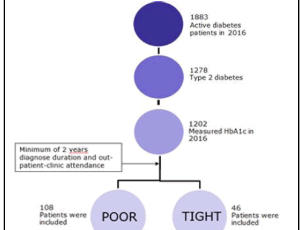
Identification of Risk Markers for Poorly Controlled Type 2 Diabetes Mellitus: A Retrospective Cross-Sectional Study with Focus on Quality Assurance Based on Real World Data
Type 2 diabetes mellitus (T2DM) is a metabolic disease defined by hyperglycemia. If not treated, chronic and even short periods (i.e. weeks) of undesirable hyperglycemia increases the risk for developing diabetic microvascular complications such as retinopathy, neuropathy, nephropathy, foot ulcers and amputations, and macrovascular complications such as cardiovascular disease including stroke
J Diabetes Clin Res, 2020, Volume 2, Issue 2, p30-36 | DOI: 10.33696/diabetes.1.016
Clinician's Review of Thyroid and Parathyroid Disease
The presentation of thyroid disease is on a spectrum with clinical presentations and disease severity ranging from subclinical to critical. The principal function of the thyroid gland is to produce T3 (triiodothyronine) and T4 (thyroxine). The hypothalamus and pituitary glands release thyrotropin releasing hormone (TRH) and thyroid stimulating hormone (TSH) respectively, and this stimulates the release of T3 and T4 directly from the thyroid gland.
J Diabetes Clin Res, 2020, Volume 2, Issue 2, p37-44 | DOI: 10.33696/diabetes.1.017

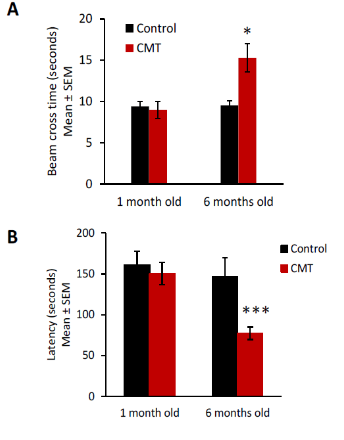
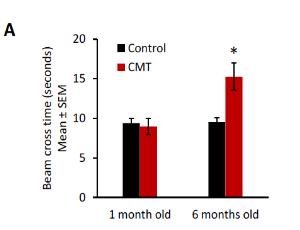
Neuromotor Impairment, Hearing Loss and Blindness in a Preclinical Mouse Model of Charcot Marie-Tooth Disorder
In the peripheral nervous system (PNS), Schwann cells (SCs) are responsible for myelin production, which contributes to axonal protection and allows for efficient action potential transmission. Unfortunately, acquired and hereditary demyelinating diseases of the PNS are numerous and affect an increasing number of people.
J Diabetes Clin Res, 2020, Volume 2, Issue 2, p45-53 | DOI: 10.33696/diabetes.1.018
Hyperglycemia and diabetes in hospitalized patients with COVID-19
The prevalence of diabetes in COVID-19 patients ranges from 5.3% to 58% representing the second comorbidity after hypertension. However, when adjusted for age, diabetes prevalence among COVID-19 patients is similar to its prevalence in the general population.
J Diabetes Clin Res, 2020, Volume 2, Issue 2, p54-58 | DOI: 10.33696/diabetes.1.019

Resveratrol Treatment Reduces Neuromotor Impairment and Hearing Loss in a Mouse Model of Diabetic Neuropathy and Nerve Injury
In the peripheral nervous system (PNS), Schwann cells (SCs) are responsible for myelin production, which contributes to axonal protection and allows for efficient action potential transmission. Unfortunately, acquired and hereditary demyelinating diseases of the PNS are numerous and affect an increasing number of people.
J Diabetes Clin Res, 2020, Volume 2, Issue 2, p59-67 | DOI: 10.33696/diabetes.1.020
COVID-19 Clinical Research
While the global COVID-19 pandemic has challenged the entire humanity and health systems, it also triggered researchers to urgently perform clinical trials to assess the safety and efficacy of many agents and modalities to combat COVID-19. As of April 22, over 650 clinical studies have been registered both in USA and internationally. Results from these studies are also coming at a brisk pace in this unprecedented emergency.
Prospective Evaluation of Effect of Metformin on Activation of AMP-activated Protein Kinase (AMPK) and Disease Control in a Sub-group Analysis of Patients with GI Malignancies
Observational studies have demonstrated association of metformin with reduced cancer incidence and mortality in multiple cancer types, including gastrointestinal (GI) malignancies. Anti-neoplastic effects of metformin are believed through many mechanisms including activation of AMP-activated protein kinase, which controls mammalian target of rapamycin (mTOR) growth regulatory pathway.
Influence of Clinical Risk Factors on Outcomes in Men with Stage I Non-Seminomatous Germ Cell Tumor Undergoing Robot-Assisted Retroperitoneal Lymph Node Dissection
We recently published our multi-institutional experience performing primary robot-assisted retroperitoneal lymph node dissection (RA-RPLND) for men with non-seminomatous germ cell tumor (NSGCT). We concluded that primary RA-RPLND for NSGCT can be performed safely with low complication rates, acceptable early oncologic outcomes, and lower overall theoretical chemotherapy burden. In this commentary, we explore outcomes in clinical stage I patients stratified by clinical risk factors (RF) and estimate reductions in chemotherapy burden.
Role of Topical Insulin in Venous Ulcer Management
Wound healing is a dynamic process whereby cellular structures and the tissue layers are reconstructed. Adult wound healing can be categorized into three stages: inflammatory phase, proliferative phase, and remodelling phase. Blood cells like macrophages, neutrophils, extracellular matrix and mediators, various proteins, and various genes play an important role in these phases.
Platelet Hyperactivity and Dysfunction in Diabetes and Cancer
However, the entire coagulation cascade is dysfunctional, in progressed chronic diabetes and cancer patients. Platelets (PLTs) in type 2 diabetic (DT2) involved in Thrombosis and Haemostasis (T&H) of individuals adhere to vascular endothelium and aggregate more voluntarily than those in healthy individuals, as are abnormalities in the microvascular and macrovascular circulations. However it is already known that the circulating PLTs are essential for T&H, inflammation growth factors delivery, regeneration; and knowledge of their function is fundamental to understanding the pathophysiology of vascular disease in diabetes and cancer-related diseases.
Gastric Cancer: A Brief Review, from Risk Factors to Treatment
Gastric cancer (GC), also known as stomach cancer, is a worldwide health problem. Anatomically, it can occur from the gastroesophageal junction to distal portions of the stomach. Considering both sexes, worldwide, it is the 5th most common neoplasm (5.7%) and the 3rd cause of mortality among malignancies, leading to approximately 782,000 deaths in 2018. The incidence varies geographically but 50% of new cases are diagnosed in developed countries. High incidence is observed in Asia, Latin America, and in the central and eastern parts of Europe. There are several ways to classify GC, but the most used is Lauren’s Classification, which proposes two main histological groups: intestinal and diffuse. This classification is important because there are marked etiological, pathological, and epidemiological differences between the subgroups, guiding the clinical approach for each patient.
How Traditional Healers Diagnose and Treat Diabetes Mellitus in the Pretoria Mamelodi Area and How Do These Purported Medications Comply with Complementary and Alternative Medicine Regulations
In South Africa, new amended regulations required a review of complementary and alternative medicine (CAMs) call-up for registration from November 2013. This impacted traditional healers (THs)’ compliance with the regulatory authorities’ on the good manufacturing practice which in return affected the public’s access to CAMs. This investigation embraces methods, THs use to diagnose and treat diabetes (DM) in Mamelodi. Furthermore, it assesses what their purported medications comprise of.
The Link of Nutrient Fluxes to Hepatic Insulin Resistance at Gene Expression
Results of epidemiological studies show that obesity and type 2 diabetes mellitus have become a public health concern globally, which has substantial health, social and economic impacts. A common characteristic of human obesity and type 2 diabetes is insulin resistance, which a given amount of insulin produces less than normal physiological responses, usually demonstrated as diminished glucose lowering effect of insulin.
Improving Obesity and Insulin Resistance by Targeting Skeletal Muscle MKP-1
Obesity has reached a global epidemic and it predisposes to the development of insulin resistance, type 2 diabetes and related metabolic diseases. Current interventions against obesity and/or type 2 diabetes such as calorie restriction, exercise, genetic manipulations or established pharmacological treatments have not been successful for many patients with obesity and/or type 2 diabetes.
Integrated Community Diabetes Model: Future of Diabetes Services and Way Forward?
Prevalence of diabetes is increasing. Diabetes is more prevalent in the socially deprived, ethnic minority population (based on continuing rise in elderly population, growing obesity and BME groups). Compliance is a major stumbling block in the management of most long-term conditions including diabetes.
The Profiling and Role of miRNAs in Diabetes Mellitus
Diabetes mellitus (DM) is an age-related metabolic disorder affecting 347 million people in modern society. Expanding its prevalence beyond developed countries, DM has emerged as a global public health issue associated with a high morbidity and mortality.
The Use of Hydroxychloroquine and Interferons for the Prophylaxis of COVID-19
At the beginning of Covid-19 pandemic, we proposed to use hydroxychloroquine (HCQ) and intranasal interferon (IFN) a-2b spray to prevent SARS-CoV-2. Since then, clinical trials testing these two drugs separately for the treatment and prophylaxis have been reported. A consensus is forming that HCQ and IFNs are not effective in treating severe Covid-19. However, the pathogenesis of Covid-19 suggests that early intervention could reduce the infection and prevent the progression from mild to severe Covid-19.
Diabetes Mellitus and Dengue
Diabetes mellitus is a common metabolic disorder that present with abnormal glucose metabolism. This metabolic disease is prevalent in many countries, worldwide. It is no doubt there might be a chance that diabetes mellitus might co-occur with other medical problems.
COVID-19 Disease and SARS-CoV-2 Vaccination in Patients with Cancer
Since the declaration of COVID-19 as a pandemic in March 2020, there have been more than 100 million reported cases of COVID-19 worldwide and more than 2.1 million deaths. The purpose of this editorial is to review recent updates regarding COVID-19 disease and SARS-CoV-2 vaccination in cancer patients.
COVID-19 and the Health of Illicit Substance Users: Preliminary Analysis from Illicit Drug Transaction Data
While much attention has been given to how COVID-19 patients are treated (or fail to be treated), the impact of the pandemic on illicit drug users remains largely undiscussed. The consequences of COVID-19 on substance users and on the health care system are exposed.
The Clinical Utility of Outpatient Continuous Glucose Monitoring in Establishing Insulinoma Diagnosis in a Patient with Impaired Nocturnal Hypoglycemia Awareness
Insulinomas are insulin secreting tumors arising from spontaneous mutations of the ductal, acinar, or islet cells of the pancreas. They are rare, having an incidence of only four cases per million people per year. Patients typically present with fasting hypoglycemia, experiencing neurologic symptoms like confusion, changes in vision, or abnormal behavior and autonomic symptoms like palpitations, diaphoresis, or tremulousness.
COVID-19 Rapid Diagnostic Test Results and their Associations with Certain Factors Among the Residents of Balochistan
Background: This paper analyses any possible association of various factors like gender, last COVID-19 PCR test results, BCG Vaccination, Seasonal Flu vaccination, occupation and confirmed case contact history with COVID-19 RDT results of the participants. COVID-19 will soon become endemic in Pakistan, the government should adopt COVID-19 RDT kits for trace, test and quarantine activities.
Commentary: A Herbal Treatment for Type 2 Diabetes – The Dangers of Adulterated and Falsified Products
In 2018, our group published a letter in The Lancet detailing a case in which a patient had taken a herbal preparation to treat her diabetes [1]. In essence, our laboratory was approached by the treating physician after the patient, a 58 year old lady of south Asian origin with a 30 year history of type 2 diabetes said that, during the previous two years, she had replaced some of her prescribed anti-diabetic medication with a herbal remedy purchased in India.
Thyroid Hormones in Dilated Cardiomyopathy: Is It a Promising Therapeutic Option?
Dilated cardiomyopathy (DCM) is chronic heart muscle disease characterized by progressive ventricular enlargement and contractile dysfunction involving either left or both ventricles. It is considered one of the leading causes of heart failure with reduced ejection fraction (HFrEF) worldwide
Obesity, Family History of Diabetes, and Consanguineous Marriages are Risk Factors among Urban Population in South Indian City of Bengaluru
In 2017, approximately 424.9 million adults (age 20- 79 yrs) were affected by diabetes, with 4 million deaths. Global diabetes burden is estimated to increase up to 628.9 million people. Moreover, diabetes care costed approximately $727 billion in 2017.
Scientific Archives is a global publisher initiated with the mission of ensuring equal opportunity for accessing science to research community all over the world. Spreading research findings with great relevance to all channels without any barrier is our goal. We want to overcome the challenges of Open Access with ensured quality and transparency.