
Loading
Journal of Cancer Immunology
ISSN: 2689-968X
Volume 2, Issue 4, p133-220
Articles published in this issue are Open Access and licensed under Creative Commons Attribution License (CC BY NC) where the readers can reuse, download, distribute the article in whole or part by mentioning proper credits to the authors.
Hepatocellular Carcinoma: Animal Models Available to Characterize Tumor Immunology and Optimize Treatment Development
Hepatocellular carcinoma (HCC) is the second cause of cancer-related death worldwide with almost 1 million new cases per year. At the diagnosis, 70% of patients have only access to a palliative treatment with few therapeutic options mostly represented by tyrosine kinase inhibitors such as sorafenib and lenvatinib in first line; regorafenib and cabozantinib in second line.
J Cancer Immunol, 2020, Volume 2, Issue 4, p133-137 | DOI: 10.33696/cancerimmunol.2.026
Mitochondria Autoimmunity and MNRR1 in Breast Carcinogenesis: A Review
We review here the evidence for participation of mitochondrial autoimmunity in BC inception and progression and propose a new paradigm that may challenge the prevailing thinking in oncogenesis by suggesting that mitochondrial autoimmunity is a major contributor to breast carcinogenesis and probably to the inception and progression of other solid tumors. It has been shown that MNRR1 mediated mitochondrial-nuclear function promotes BC cell growth and migration and the development of metastasis and constitutes a proof of concept supporting the participation of mitochondrial autoimmunity in breast carcinogenesis.
J Cancer Immunol, 2020, Volume 2, Issue 4, p138-158 | DOI: 10.33696/cancerimmunol.2.027
Immunotherapy in Pediatric Acute Lymphoblastic Leukemia
Leukemia is the most common childhood malignancy and cause of pediatric cancer death. Significant advances in the cure rates of B-cell acute lymphoblastic leukemia (B-ALL) and T-cell acute lymphoblastic leukemia (T-ALL) have been achieved; however, patients with refractory or relapsed B-ALL or T-ALL continue to have poor outcomes. Immunotherapy is a revolutionary treatment aimed to improve survival and reduce the toxicity of chemotherapy by harnessing the patient’s own immune system to target cancer cells.
J Cancer Immunol, 2020, Volume 2, Issue 4, p159-184 | DOI: 10.33696/cancerimmunol.2.028
Ovarian Function Suppression Plus Aromatase Inhibitors or Tamoxifen in Premenopausal HR-positive Breast Cancer
Breast cancer is the most common type of malignant tumor in women, accounting for 30% of women’s cancer, while the mortality rate ranks second among women’s cancer. Twenty-five percent of all breast cancer patients are premenopausal patients, and 7% of patients are younger than 40 years old.
J Cancer Immunol, 2020, Volume 2, Issue 4, p185-193 | DOI: 10.33696/cancerimmunol.2.029
Management of Appendiceal Neuroendocrine Tumors: Beyond Tumor Size
Appendiceal neuroendocrine tumors (ANETs) less than 2 cm were thought to have no metastatic potential; however, recent evidence including our previous report shows increasing occurrences of regional and metastatic disease in smaller ANETs. We provided an update of patients with ANETs at our institution. A retrospective review was performed in a follow-up series of patients with ANET who presented to our tertiary referral center from 2019-2020. Demographics, tumor characteristics, treatment, and clinical outcomes were evaluated.
J Cancer Immunol, 2020, Volume 2, Issue 4, p194-198 | DOI: 10.33696/cancerimmunol.2.030

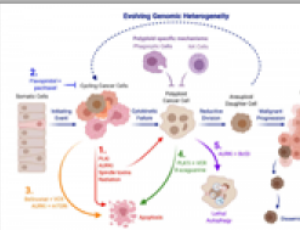
Emerging Strategies to Attack Polyploid Cancer Cells
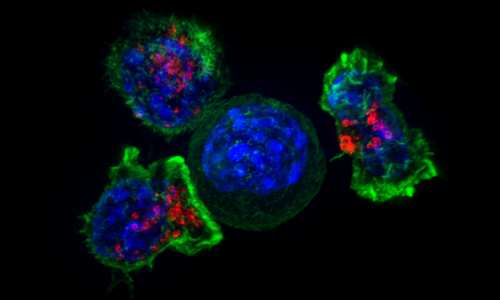
Polyploid cancer cells can arise de novo in tumors or they can be induced by therapeutics that inadvertently increase the rate of cytokinetic failure. These cells portend a poor outcome in many cancers because polyploid cancer cells can undergo error prone reductive cell divisions to yield aneuploid progeny. The immune system has evolved mechanisms by which it can specifically recognize and remove polyploid cancer cells, but these appear to be tampered with malignancy so that polyploid cells can persist and fuel the development of cancer cell clones that are resistant to therapeutics and have metastatic potential.
J Cancer Immunol, 2020, Volume 2, Issue 4, p199-206 | DOI: 10.33696/cancerimmunol.2.031
High Lymph Node Positive to Sampled Ratio as a Potential Indication for Postoperative Radiation Therapy in Patients with pN2 Non-small-cell Lung Cancer
The role for postoperative radiation therapy (PORT) for patients with non–small-cell lung cancer (NSCLC) with mediastinal lymph node (LN) involvement (pN2 disease) is controversial. We performed a SEER analysis comparing surgery alone with PORT among patients with pN2 NSCLC. As we await the final results of the LUNG ART trial, a subset of patients with a high LN positive to sampled (LPR) ratio may benefit from PORT.
J Cancer Immunol, 2020, Volume 2, Issue 4, p207-210 | DOI: 10.33696/cancerimmunol.2.032
Susceptibility of Malignant Brain Tumors to 5-aminolaevulinic Acid Mediated Photodynamic Therapy: Direct Phototoxicity and Immunological Effects
Recently we published the article ‘Accumulation of protoporphyrin IX in medulloblastoma cell lines and sensitivity to subsequent photodynamic treatment’. In this commentary, we review protoporphyrin IX accumulation after application of 5-aminolaevulinic acid and the resulting sensitivity of medulloblastoma cells to photodynamic therapy. We compare the results to glioblastoma cells, including glioblastoma stem-like cells, and address the contribution of the transporter adenosine triphosphate binding cassette subfamily G member 2 (ABCG2) as well as the enzyme ferrochelatase to the process.
J Cancer Immunol, 2020, Volume 2, Issue 4, p211-215 | DOI: 10.33696/cancerimmunol.2.033

SPANX Regulation of LAMIN A/C Network: Perspectives in Cancer and Laminopathies
Cancer/testis antigens (CTA) are tumor antigens whose expression is normally restricted to the testis. More than half of CTA genes are located on the X chromosome and form a branch called X-CTA [1]. Unlike the remaining CTA genes located throughout the genome, multigene X-CTA families are present as clusters on the X chromosome. Among them, the Sperm Protein Associated with the
Nucleus on the X chromosome (SPANX) family is composed by five members [SPANX-A1, -A2 (-A1 and -A2 being two copies of the same gene), -B1, -C and -D]. As SPANX proteins are highly homologous and cannot be distinguished by antibody-based techniques, unless stated otherwise, hereafter we will use the term “SPANX” to refer to these five proteins.
Constitutively Active Death Receptor Induces Apoptosis in Mammalian Cells
Apoptosis is a physiological response in development and homeostasis of metazoans. Apoptosis is triggered during pathological events as a means to renew affected tissues and eliminate cancer cells. The immune system regulates the extrinsic pathway of apoptosis, where signals such as TNFα or displayed ligands on the surface of immune cells trigger signal cascades by death receptors present on targeted cells. Therapeutics, like Doxorubicin, lead to apoptosis successfully.
Prevalence of Symptom Clusters in Cancer Patients at First Presentation in Palliative Care Clinic as per Different Disease Groups
Cancer has its own disease burden and patients usually suffer from symptom clusters when they are referred for palliative treatment. Identification of symptom cluster trajectories will help clinician to take into account measures that can optimize quality of life of palliative patients. Therefore the aim of this paper is to determine the overall prevalence of symptoms and symptoms clusters in different disease groups according to etiology at the time of first visit to Palliative care clinic by using HIS Palliative First Assessment note indicating Edmonton symptom scale.
Chimeric Antigen Receptor CAR NK Cells Emerging Immunotherapy for the Treatment of Cancer
Although NK cells are recognized as effector lymphocytes of the innate immune system, they also regulate the adaptive immune response by releasing inflammatory cytokines and developing immunological memory. Unlike other lymphocytes such as T or B cells, NK cells do not express rearrangeable, antigen-specific receptors.
Emerging Role of TRPML1 Mucolipin Endolysosomal Channel in Cancer
The transient receptor potential mucolipin 1 (TRPML1) is an endolysosomal channel belonging to the TRP family. Clinically, mutations of TRPML1 have been responsible for a severe lysosomal storage disorder called mucolipidosis type IV.
Therapeutic Values of Ketamine for COVID-19-Cared Patients: An Expert’s Point of View
Ketamine has long been used in the field of anesthesia [1]. Its rapid and long-acting analgesic effects associated with its dissociative properties have also established its use in prehospital and emergency department patients.
Uniportal VATS Lobectomy for Lung Cancer: Feasibility and Cost Effectiveness in a Single Center Experience
In last decades, video-assisted thoracic surgery (VATS) together with robotic-assisted thoracic surgery (RATS) can be considered the biggest innovation in thoracic surgery. This approach drastically changed the way of performing surgical operations, improving patient’s outcome undergoing thoracic surgery.
Circulating Cell-Free RNA: A New Perspective for Endometrial Cancer
In order to implement the knowledge of cancer to monitor its evolution and setting, in the last decade, new minimally invasive and repeatable samples collection have been developed such as liquid biopsy. Cancer biomarkers originating from tumors can represent the molecular status of the tumor or its metastases which release them directly into body fluids or indirectly due to disruption of tumor/metastatic tissue. These biomarkers are detectable in liquid biopsy.
Searching for Easy Reliable Prognostic Parametres in Colorectal Cancer Patients Evaluation
Tumor node metastasis (TNM) staging system is the most useful method in predicting prognosis of colorectal cancer (CRC), the third most common cause of death worldwide, even if other biological markers are currently under evaluation to assess their role in affecting CRC outcome and planning the best tailored therapeutic approach. Several molecular factors are being demonstrated to be effective in influencing both overall survival (OS) and disease-free survival (DFS) in CRC, acting on different aspects of tumor promoting and progression.
Impact of Cisplatin Dosing Regimens on Mammary Tumor Growth in an Animal Model
In a recent paper, we introduced a variant of the classical Simeoni tumor growth model, and illustrated its value in assessing tumor growth in a reproducible mouse model for mammary tumors. Our modification consisted of incorporating delay differential equations in the mathematical formulation of the Simeoni model, to represent the delay in drug action often observed under chemotherapeutic or immunotherapeutic regimens.
Deubiquitinase as Potential Targets for Cancer Immunotherapy
During the last few decades, immunotherapy is considered to be an important approach to help our immune system to fight various kinds of diseases, such as tumor. Sometimes, it works very well for some types of cancers, for example: bladder cancer, colorectal cancer, breast cancer and lymphoma.
The Effect of Glucocorticoids on Angiogenesis in the Treatment of Solid Tumors
Glucocorticoids (GCs) are defined by their role in maintaining glucose homeostasis and natural GCs are a class of corticosteroids secreted by the adrenal cortex. Cortisol is the most important natural GC in humans. Cellular cortisol levels are regulated by the tissue-specific metabolic enzymes 11β-hydroxysteroid dehydrogenase 1 and 2 (11β-HSD 1 and 2); 11β-HSD 1 converts inactive cortisone to active cortisol, while 11β-HSD 2 has the opposite function.
Synthetic Lethal Drug Combinations Targeting Proteasome and Histone Deacetylase Inhibitors in TP53-Mutated Cancers
Background: We have recently published SL-BioDP, a web resource for querying, exploration and visualization of potential synthetic lethal targets and possible synergistic drug combinations for 18 cancer types. Methods: From our predictive synthetic lethality model used in SL-BioDP, we inferred TP53 mutation lead to potential synergistic drug combination of Bortezomib and Vorinostat. Here we show, how to extrapolate the drug combination results by combining drug screening data from cancer cell lines and showed the potential synergy of the drug targets, proteasome, and histone deacetylase (HDAC) pathways respectively, for patient survival advantage.
Role of the Gut Microbiome in the Modulation of Cancer Immunotherapy Response
The gut microbiome or gut flora is a vast community of microorganisms such as bacteria, viruses, protozoa, and fungi that inhabit the digestive tract of the human and other animals. In the human body, bacterial species colonize into the oral cavity, skin, vagina, and placenta, however, the largest population of microorganisms resides in the intestine. The majority of gut microbiota belong to the phyla Firmicutes, Bacteroidetes, Proteobacteria and Actinobacteria.
Do Support Vector Machines Play a Role in Stratifying Patient Population Based on Cancer Biomarkers
Cancer is a worldwide public health issue that affects millions of people every year. In 2018 there were 17 million newly documented cases of cancer globally (8.8 million in men and 8.2 million in women), leading to 9.6 million deaths. Cancer is a vastly heterogeneous disease, with over 100 different types of cancer currently identified in humans; the most common types of cancer are lung, female breast, bowel and prostate, these four types account for more than 40% of all new cancer case
Prognostic Role of Human Epididymis Protein 4 (HE4) in Ovarian Cancer Treatment: Our Point of View
In the last 10 years, the marker “Human Epididymis protein 4 (HE4)” for the management of gynecological tumors has entered powerfully in the world literature. At the moment, carrying out an accurate research in the main scientific portals such as PubMed, we can find more than 2,000 works concerning Cancer antigen-125 (Ca125), but those concerning HE4 are less than 400. The assessment of the prognostic significance of Ca125 has been described in more than 1000 scientific papers, whereas in the case of HE4 such works are only about 100.
Can Filtration Technology Advance Culture of Circulating Tumor Cells towards Precision Medicine?
Expansion of Circulating Tumor Cells (CTC), the metastatic seeds of cancer in the blood stream, holds great potential in clinical application, especially towards precision medicine. Given the relatively rare nature of CTCs, their culture remains to be a significant challenge. When developing technologies for CTC culture, there are key elements that need careful consideration, including the speed of culture, compatibility with downstream analysis, and the implementation of the technology into established clinical daily routines. Herein, we briefly discuss the implications of our recent report of an ultrathin filter for the capture and culture of circulating colon cancer cells.
Influence of Clinical Risk Factors on Outcomes in Men with Stage I Non-Seminomatous Germ Cell Tumor Undergoing Robot-Assisted Retroperitoneal Lymph Node Dissection
We recently published our multi-institutional experience performing primary robot-assisted retroperitoneal lymph node dissection (RA-RPLND) for men with non-seminomatous germ cell tumor (NSGCT). We concluded that primary RA-RPLND for NSGCT can be performed safely with low complication rates, acceptable early oncologic outcomes, and lower overall theoretical chemotherapy burden. In this commentary, we explore outcomes in clinical stage I patients stratified by clinical risk factors (RF) and estimate reductions in chemotherapy burden.
Sentinel Lymph Node Biopsy after Neoadjuvant Chemotherapy for Breast Cancer
Breast cancer is the second most common cancer worldwide, affecting nearly one in eight women. Accurate cancer staging is essential for determining the patient’s prognosis and for choosing the appropriate treatment. The staging system most often used is the American Joint Committee on Cancer (AJCC) TNM system, where T refers to the size of the tumor, N refers to spread of the primary cancer to nearby lymph nodes, and M refers to the spread of metastasis to distant sites in the body.
Platelet Hyperactivity and Dysfunction in Diabetes and Cancer
However, the entire coagulation cascade is dysfunctional, in progressed chronic diabetes and cancer patients. Platelets (PLTs) in type 2 diabetic (DT2) involved in Thrombosis and Haemostasis (T&H) of individuals adhere to vascular endothelium and aggregate more voluntarily than those in healthy individuals, as are abnormalities in the microvascular and macrovascular circulations. However it is already known that the circulating PLTs are essential for T&H, inflammation growth factors delivery, regeneration; and knowledge of their function is fundamental to understanding the pathophysiology of vascular disease in diabetes and cancer-related diseases.
Forces, Chromosomal Configurations, and Carcinogenesis: Towards Another Therapeutic Approach
Previous studies of in vitro and in vivo morphogenesis may suggest a more inclusive principle governing biological processes. In this regard, methylglyoxal (MG) in very low, non-toxic concentrations and ascorbic acid have been shown to promote in vitro morphogenesis in various types of plants. Forces of cohesion and adhesion might be involved in such development. These are conveyed through the electronic desaturation of protein by means of MG and ascorbic acid.
Scientific Archives is a global publisher initiated with the mission of ensuring equal opportunity for accessing science to research community all over the world. Spreading research findings with great relevance to all channels without any barrier is our goal. We want to overcome the challenges of Open Access with ensured quality and transparency.