

Loading
Journal of Cellular Immunology
ISSN: 2689-2812
Volume 4, Issue 1, p1-33
Articles published in this issue are Open Access and licensed under Creative Commons Attribution License (CC BY NC) where the readers can reuse, download, distribute the article in whole or part by mentioning proper credits to the authors.
Sticky Interactions in Lupus Nephritis
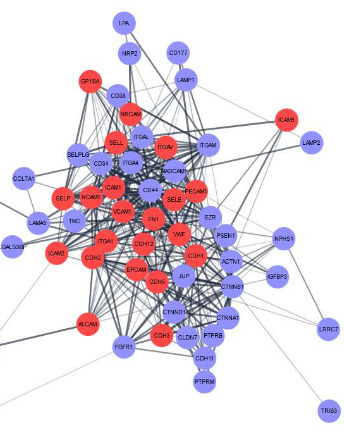
Cell adhesion molecules (CAM) mediate cell to cell interactions in various body systems including the immune system. The four major families of CAMs include immunoglobulin (Ig) superfamily, cadherins, integrins, and selectins. Most interestingly, several CAMs have emerged in recent years as leading biomarkers of lupus nephritis (LN) based on comprehensive proteomic screens of urine. Proteins belonging to all four families of CAMs have been reported to be upregulated in LN urine.
J Cell Immunol, 2022, Volume 4, Issue 1, p1-5 | DOI: 10.33696/immunology.4.126
Towards a Better Understanding of Staphylococcus aureus Skin Infections-The Interactions with Dendritic Cells
Staphylococcus aureus (S. aureus) is the leading cause of skin and soft tissue infections in humans. Additionally, local infections further lead to dissemination and colonization of secondary infections sites including the lungs, heart valves and even medical prostheses. It is well known that this bacterial species is capable of altering host immune responses and that long-term protection against S. aureus is not completely effective.
J Cell Immunol, 2022, Volume 4, Issue 1, p6-14 | DOI: 10.33696/immunology.4.127

Glucose Metabolism is a Better Marker for Predicting Clinical Alzheimer’s Disease than Amyloid or Tau
Alzheimer’s disease (AD) research has long been dominated with communications regarding the amyloid hypothesis and targeting amyloid clearance through pharmacological therapies from the brain. Unfortunately, this research strategy has yielded only one new FDA-accelerated approved therapeutic for early AD, and its clinical benefit still needs to be verified. It may be time to employ a new strategy in AD therapeutics research. Hammond et al. reported that diminished uptake of glucose in the brain is a better marker for classifying AD than beta-amyloid (Aβ) or phosphorylated tau deposition.
J Cell Immunol, 2022, Volume 4, Issue 1, p15-18 | DOI: 10.33696/immunology.4.128

Comparison of Gene Editing versus a Neutrophil Elastase Inhibitor as Potential Therapies for ELANE Neutropenia
Heterozygous mutations in ELANE, the gene for neutrophil elastase, cause cyclic and congenital neutropenia through the programed cell death of neutrophil progenitors in the bone marrow. Granulocyte colony-stimulating factor is an effective therapy for these diseases, but alternative therapies are needed, especially for patients who do not respond well or are at high risk of developing myeloid malignancies. We developed an HL60 cell model for ELANE neutropenia and previously demonstrated that transient and regulated expression of mutant ELANE causes cell death by accelerated apoptosis.
J Cell Immunol, 2022, Volume 4, Issue 1, p19-28 | DOI: 10.33696/immunology.4.129
Commentary: Experimental Mouse Models of Invasive Candidiasis Caused by Candida auris and Other Medically Important Candida Species
The study “Experimental Mouse Models of Disseminated Candida auris Infection” provides the first insight into the critical role of C5 in the host antimicrobial defense to disseminated candidiasis caused by C. auris. This study also establishes an inbred A/J mouse model of systemic C. auris infection without drug-induced immunosuppression. C. auris has become the first fungal pathogen causing global public health threat due to its multidrug resistance (MDR) and persistence in hospital and nursing home settings.
J Cell Immunol, 2022, Volume 4, Issue 1, p29-33 | DOI: 10.33696/immunology.4.130
Karyotypic Profile of Chronic Myeloid Leukemia in Patients Diagnosed at Tertiary Level in Afghanistan
Balanced translocation resulting in fusion of the Abelson gene (ABL1) from chromosome 9q34 with the breakpoint cluster region (BCR) gene on chromosome 22q11.2 is the pathognomonic molecular driver of CML. The resulting BCRABL 1 fusion gene is both the diagnostic as well as therapeutic target of CML. The first agent with tyrosine kinase inhibitor activity that was licenced in 2000 for treatment of CML patients, was Imatinib, gradually followed by multiple agents with higher efficacy.
Escherichia coli Stress, Multi-cellularity, and the Generation of the Quorum Sensing Peptide EDF
Bacterial communication via quorum sensing (QS) molecules, as well as toxin-antitoxin (TA) gene modules located on bacterial chromosomes are well-studied mechanisms. Escherichia coli mazEF is a stress-induced TA system mediating cell death requiring a QS extracellular death factor (EDF), the pentapeptide NNWNN. MazF is an endoribonuclease specific for ACA sites. During adverse conditions, the activated MazF generates a stress induced translation machinery, composed of MazF-processed mRNAs and selective ribosomes that specifically translate these processed mRNAs.
Constitutively Active Death Receptor Induces Apoptosis in Mammalian Cells
Apoptosis is a physiological response in development and homeostasis of metazoans. Apoptosis is triggered during pathological events as a means to renew affected tissues and eliminate cancer cells. The immune system regulates the extrinsic pathway of apoptosis, where signals such as TNFα or displayed ligands on the surface of immune cells trigger signal cascades by death receptors present on targeted cells. Therapeutics, like Doxorubicin, lead to apoptosis successfully.
Chimeric Antigen Receptor CAR NK Cells Emerging Immunotherapy for the Treatment of Cancer
Although NK cells are recognized as effector lymphocytes of the innate immune system, they also regulate the adaptive immune response by releasing inflammatory cytokines and developing immunological memory. Unlike other lymphocytes such as T or B cells, NK cells do not express rearrangeable, antigen-specific receptors.
Flow Cytometric Characterization of Accidental Cell Death Highlights Connections to Regulated Cell Death
Damage-Associated Molecular Patterns (DAMPs) are known by their nature to cause inflammatory responses in numerous disease states from cancer, trauma to age related diseases (e.g. atherosclerosis, Alzheimer’s and Parkinson’s diseases), these molecules are released by cells undergoing cell death.
Angioimmunoblastic T cell Lymphoma Microenvironment
Angioimmunoblastic T cell lymphoma (AITL) is one of the most common T-cell lymphomas, second only to peripheral T-cell lymphoma not otherwise specified (PTCL-NOS). Initially AITL was considered a non-malignant lymphadenopathy with immune hyperactivation, nowadays being classified as a PTCL.
Circulating Cell-Free RNA: A New Perspective for Endometrial Cancer
In order to implement the knowledge of cancer to monitor its evolution and setting, in the last decade, new minimally invasive and repeatable samples collection have been developed such as liquid biopsy. Cancer biomarkers originating from tumors can represent the molecular status of the tumor or its metastases which release them directly into body fluids or indirectly due to disruption of tumor/metastatic tissue. These biomarkers are detectable in liquid biopsy.
The Potential Role of SEPT6 in Liver Fibrosis and Human Hepatocellular Carcinoma
Liver fibrosis is a reversible wound-healing response in which a variety of cells and factors are involved in and results in excessive deposition of extracellular matrix (ECM). Cirrhosis is one of the significant causes of portal hypertension and end-stage liver disease, and it is the 14th most common cause of death around the world. Approximately 1.03 million people worldwide die from liver cirrhosis every year.
Prognostic Utility of Ferritin Transferrin Ratio in Hepatocellular Carcinoma
There is growing body of literature to identify novel prognostic markers in hepatocellular carcinoma (HCC), including serum ferritin (SF), transferrin levels, alfa fetoprotein (AFP), and neutrophil to lymphocyte ratio (NLR). Chronic inflammation and fibrogenesis are considered quite essential in the oncogenesis of HCC. The trigger for this inflammation could range from viral hepatitis, alcoholic cirrhosis, to non-alcoholic fatty liver disease. Also, iron overload as in hereditary hemochromatosis is linked to one of the factors for HCC oncogenesis.
Synthetic Lethal Drug Combinations Targeting Proteasome and Histone Deacetylase Inhibitors in TP53-Mutated Cancers
Background: We have recently published SL-BioDP, a web resource for querying, exploration and visualization of potential synthetic lethal targets and possible synergistic drug combinations for 18 cancer types. Methods: From our predictive synthetic lethality model used in SL-BioDP, we inferred TP53 mutation lead to potential synergistic drug combination of Bortezomib and Vorinostat. Here we show, how to extrapolate the drug combination results by combining drug screening data from cancer cell lines and showed the potential synergy of the drug targets, proteasome, and histone deacetylase (HDAC) pathways respectively, for patient survival advantage.
Do Support Vector Machines Play a Role in Stratifying Patient Population Based on Cancer Biomarkers
Cancer is a worldwide public health issue that affects millions of people every year. In 2018 there were 17 million newly documented cases of cancer globally (8.8 million in men and 8.2 million in women), leading to 9.6 million deaths. Cancer is a vastly heterogeneous disease, with over 100 different types of cancer currently identified in humans; the most common types of cancer are lung, female breast, bowel and prostate, these four types account for more than 40% of all new cancer case
Can Filtration Technology Advance Culture of Circulating Tumor Cells towards Precision Medicine?
Expansion of Circulating Tumor Cells (CTC), the metastatic seeds of cancer in the blood stream, holds great potential in clinical application, especially towards precision medicine. Given the relatively rare nature of CTCs, their culture remains to be a significant challenge. When developing technologies for CTC culture, there are key elements that need careful consideration, including the speed of culture, compatibility with downstream analysis, and the implementation of the technology into established clinical daily routines. Herein, we briefly discuss the implications of our recent report of an ultrathin filter for the capture and culture of circulating colon cancer cells.
Influence of Clinical Risk Factors on Outcomes in Men with Stage I Non-Seminomatous Germ Cell Tumor Undergoing Robot-Assisted Retroperitoneal Lymph Node Dissection
We recently published our multi-institutional experience performing primary robot-assisted retroperitoneal lymph node dissection (RA-RPLND) for men with non-seminomatous germ cell tumor (NSGCT). We concluded that primary RA-RPLND for NSGCT can be performed safely with low complication rates, acceptable early oncologic outcomes, and lower overall theoretical chemotherapy burden. In this commentary, we explore outcomes in clinical stage I patients stratified by clinical risk factors (RF) and estimate reductions in chemotherapy burden.
Commentary on “Integrative Transcriptomics, Proteomics, and Metabolomics Data Analysis Exploring the Injury Mechanism of Ricin on Human Lung Epithelial Cells”
Ricin toxin (RT) is classified as a potential bio-threat agent in assassinations and terrorism due to its extreme toxicity. Due to aerosol RT exposure is the most lethal route, it is urgent to study its injury mechanism.
Body Mass Index and Treatment Response in Patients with Cardiac Light-Chain Amyloidosis
Elevated body mass index (BMI) has been associated with an increased risk of cancer and has been shown to have a negative impact on survival in patients with breast, prostate, oral cancer, and leukemia. In plasma cell dyscrasias, obesity has not only been shown to be a risk factor for the development of multiple myeloma, but also has been associated with a higher rate of progression from monoclonal gammopathy of unknown significance (MGUS) to multiple myeloma, and if intervened on, has bee
Is Citrate A Critical Signal in Immunity and Inflammation?
When immune cells are activated, they undergo metabolic change in order to have sufficient energy to function effectively. The Krebs cycle is one of the most important pathways involved in this response and citrate, a critical component of this pathway, regulates carbohydrate and lipid metabolism.
Primary Small Cell Neuroendocrine Carcinoma of Bladder – A Rare Diagnostic Entity
Primary small cell carcinoma of the bladder is very rare pathological entity, follows an aggressive course and carries poor prognosis. The literature carrying these articles are scarce and due to which it poses a diagnostic challenge to the radiologist and urologists. Herein, we present a case of small cell carcinoma of urinary bladder in a 75-year-old male patient initially reported as poorly differentiated urothelial carcinoma on transurethral resection of bladder tumor specimen to emphasize its rarity as well as the role of immunohistochemistry to differentiate between the two.
Molecular Biology for BCR-ABL1 Quantification for Chronic Myeloid Leukemia Monitorization and Evaluation
Chronic Myeloid Leukemia (CML) is a clonal disorder originated by a pluripotent hematopoietic stem cell, which presents the translocation t(9;22) (q34;q11) in 90% of the cases. This genetic abnormality is a balanced translocation between Abelson Murine Leukemia (ABL) located in chromosome 9 with the Breakpoint Cluster Region (BCR) gene at chromosome 22, generating Philadelphia chromosome (Ph) or BCR-ABL1, which codes an oncoprotein of 210 kDa. This alteration represents a hallmark in oncology and for CML research, diagnosis, and prognosis.
Pseudothrombocytosis Due to Red Blood Cell Fragmentation in Haemoglobin-H Disease
Red cell fragmentation may result in erroneously high platelet counts by automated blood counters. Therefore, any abnormal platelet counts in a full blood count analysis should be re-evaluated either using blood film manual counting or with more accurate automated analysis options. Case Report: We report a case of Haemoglobin-H disease that was noted to have a very high platelet count, by newly installed automated blood analyser, during regular follow up.
Salivary Protein Antigens for Breast Cancer Biomarkers
Breast Cancer is the most regularly diagnosed type of cancer in women in the world, making up on its own 25% of all cases, or nearly 2 million new cases in 2018, and 15% of all cancer related deaths, or around 626,700 deaths for that same year.
Scientific Archives is a global publisher initiated with the mission of ensuring equal opportunity for accessing science to research community all over the world. Spreading research findings with great relevance to all channels without any barrier is our goal. We want to overcome the challenges of Open Access with ensured quality and transparency.