

Loading
Journal of Clinical Haematology
ISSN: 2766-4686
Volume 1, Issue 1, p1-32
Articles published in this issue are Open Access and licensed under Creative Commons Attribution License (CC BY NC) where the readers can reuse, download, distribute the article in whole or part by mentioning proper credits to the authors.
Targeting Amino Acids to Treat AML
Acute myeloid leukemia (AML), a life-threatening disease, is a malignant disorder of the bone marrow characterized by the clonal expansion and differentiation arrest of myeloid progenitor cells. It is a highly heterogeneous disease and shows differential prognosis ranging from death within a few days of beginning treatment to complete remission. Systems biology approaches such as genomics and proteomics have already greatly facilitated the leukemia typing and prognosis stratification, which boosted the personalized medicine. However, the actual clinical outcome of patients is not always inconsistent with the current AML-stratification system. Moreover, AML subtypes especially relapse or refractory AML.
J Clin Haematol, 2020, Volume 1, Issue 1, p1-6 | DOI: 10.33696/haematology.1.001
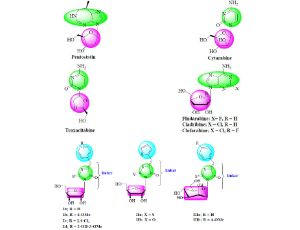
New N-ribosides and N-mannosides of Rhodamine Derivatives for Suppressing Leukemia Cell Line Growth
Leukemia is a tumor of the primary blood-forming cells. leukemia is not only a cancer of the white blood cells but also it originates in other blood cell types. Types of leukemia are categorized based on the rate of growth to acute (fastgrowing) or chronic (slower growing), and whether it arises in myeloid cells or lymphoid cells. Different types of leukemia have a different line of treatment and prognosis.
J Clin Haematol, 2020, Volume 1, Issue 1, p7-9 | DOI: 10.33696/haematology.1.002
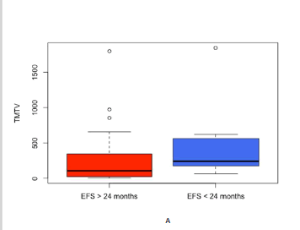
Lack of Prognostic Significance of Pretreatment Total Metabolic Tumor Volume on Event-free Survival at 24 Months in Diffuse Large B-cell Lymphoma
Diffuse large B-cell lymphoma (DLBCL) is a heterogeneous disease with variable outcomes. The majority of patients benefit from chemo-immunotherapy; however, 30 to 40% relapse after first-line treatment, and 10% are refractory to first-line treatment. This variability in outcome has led to the identification of prognostic factors to stratify patients based on their risk of relapse. The five-factor international prognostic index (IPI) was formulated for such risk stratification more than 20 years ago, based on clinical information obtained from patients with aggressive lymphomas treated with cyclophosphamide, doxorubicin, vincristine, and prednisone (CHOP)-like chemotherapy. The addition of rituximab to CHOP chemotherapy led to improved outcomes, diminishing the discriminatory capacity of IPI amongst risk groups. Efforts to enhance the prognostic model by adding or defining new factors have only led to minor improvements without the ability to identify patients at risk of an inferior outcome.
J Clin Haematol, 2020, Volume 1, Issue 1, p10-15 | DOI: 10.33696/haematology.1.003
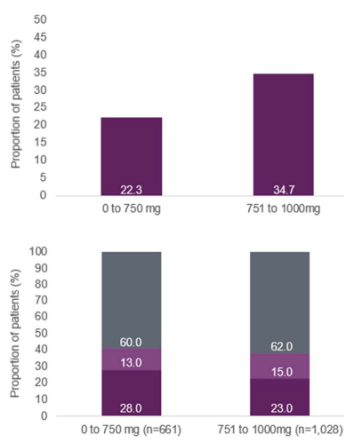
Effectiveness of Parenteral Iron Therapy in the Real-world Setting: A Retrospective Analysis
Iron deficiency anemia (IDA) is caused by an insufficient iron supply for erythropoiesis that leads to a reduction in hemoglobin (Hgb) and circulating red blood cells. Iron deficiency is the most common cause of anemia in the United States (US) and occurs most often from blood loss and in patients with chronic diseases and inflammation. It was estimated that approximately 10 million people are iron deficient in the US, including 5 million who have IDA.
J Clin Haematol, 2020, Volume 1, Issue 1, p16-25 | DOI: 10.33696/haematology.1.004

The Research Progress of Circular RNA in Multiple Myeloma
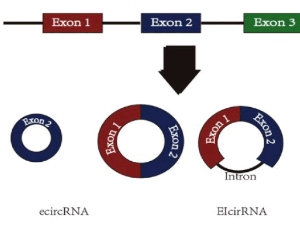
The circular RNA (circRNA) is a covalently closed noncoding RNA, recently with the widespread application of high-throughput RNA sequencing bioinformatics methods, a large number of circRNAs found in human cells have been gradually discovered. It performs multiple biological functions in the human body and participates in the occurrence and development of different diseases such as tumors. Studies have found that circRNA is not easily degraded by exonuclease RNase R, has a half-life of more than 48 hours, can stably exist in eukaryotic cells, and its structure is highly conservative and organized, timing, disease-specific, and is expected to become a potential tumor diagnostic marker and therapeutic target.
J Clin Haematol, 2020, Volume 1, Issue 1, p26-32 | DOI: 10.33696/haematology.1.005
Karyotypic Profile of Chronic Myeloid Leukemia in Patients Diagnosed at Tertiary Level in Afghanistan
Balanced translocation resulting in fusion of the Abelson gene (ABL1) from chromosome 9q34 with the breakpoint cluster region (BCR) gene on chromosome 22q11.2 is the pathognomonic molecular driver of CML. The resulting BCRABL 1 fusion gene is both the diagnostic as well as therapeutic target of CML. The first agent with tyrosine kinase inhibitor activity that was licenced in 2000 for treatment of CML patients, was Imatinib, gradually followed by multiple agents with higher efficacy.
Angioimmunoblastic T cell Lymphoma Microenvironment
Angioimmunoblastic T cell lymphoma (AITL) is one of the most common T-cell lymphomas, second only to peripheral T-cell lymphoma not otherwise specified (PTCL-NOS). Initially AITL was considered a non-malignant lymphadenopathy with immune hyperactivation, nowadays being classified as a PTCL.
Reduced BCR Signaling and a Metabolic Shift Accompanies Malignant Progression of Follicular Lymphoma: A Lesson from Transcriptomics
In the manuscript entitled “The ion channels and transporters gene expression profile indicates a shift in excitability and metabolisms during malignant progression of Follicular Lymphoma”, we reported recent advances in our understanding of how the gene expression profile of ion channels and transporters (ICT-GEP) contributes to identify specific signatures associated with Follicular Lymphoma (FL), with those FL that acquire chemoresistance after a relapsing-remitting course, and with the more aggressive Diffuse Large Cell Lymphoma (DLBCL), which in some cases represent the evolution of FLs.
Prognosis and Survival of Medullary Carcinoma of the Breast
Medullary breast carcinoma (MBC) is a rare tumor, representing 3% to 5% of invasive breast carcinomas. The World Health Organization defines it as a well-circumscribed invasive tumor, composed of poorly differentiated cells, arranged in sheets, without gland formation and a scarce collagen stroma with the presence of a very prominent lymphoplasmacytic infiltrate.
Molecular Biology for BCR-ABL1 Quantification for Chronic Myeloid Leukemia Monitorization and Evaluation
Chronic Myeloid Leukemia (CML) is a clonal disorder originated by a pluripotent hematopoietic stem cell, which presents the translocation t(9;22) (q34;q11) in 90% of the cases. This genetic abnormality is a balanced translocation between Abelson Murine Leukemia (ABL) located in chromosome 9 with the Breakpoint Cluster Region (BCR) gene at chromosome 22, generating Philadelphia chromosome (Ph) or BCR-ABL1, which codes an oncoprotein of 210 kDa. This alteration represents a hallmark in oncology and for CML research, diagnosis, and prognosis.
The Role of Anemia in Term and Preterm Pregnancies: Evidence from the Brazilian Multicenter Study on Preterm Birth (EMIP)
Objective: Evaluate the prevalence of anemia in term and preterm pregnancies and compare maternal and perinatal outcomes among groups. Methods: Secondary analysis of Brazilian Multicenter Study on Preterm Birth (EMIP). Cross sectional study on preterm births, with sample of term births to evaluate risk factors and comparisons. Current analysis compared prevalence of anemia in term and preterm births and among their types (spontaneous preterm birth (sPTB)
MicroRNA Signature Targeting Transient Receptor Potential Channels in the Prognosis and Therapy of Cancer
MicroRNAs (miRNAs) are small non-coding RNAs that modulate protein-coding mRNAs. Numerous miRNAs are expressed in human and 50% of human miRNAs are associated with carcinogenesis. Specific miRNAs are expressed in different cancer tissues and modulation of their expression is associated to different tumor stages and clinical outcomes.
Prognosis of Patients with Advanced Liver Disease and Positive Stress Echocardiograms: Impact of Coronary Artery Disease, Non-alcoholic Steatohepatitis, and Beta-blocker Therapy
Cardiac Complications are the leading cause of mortality after orthotopic liver transplantation. Advanced liver disease patients with positive DSE are at increased risk. CAD, beta blocker use and NASH are independently associated with cardiac events.
Immunotherapy in Pediatric Acute Lymphoblastic Leukemia
Leukemia is the most common childhood malignancy and cause of pediatric cancer death. Significant advances in the cure rates of B-cell acute lymphoblastic leukemia (B-ALL) and T-cell acute lymphoblastic leukemia (T-ALL) have been achieved; however, patients with refractory or relapsed B-ALL or T-ALL continue to have poor outcomes. Immunotherapy is a revolutionary treatment aimed to improve survival and reduce the toxicity of chemotherapy by harnessing the patient’s own immune system to target cancer cells.
Long Non-coding RNAs in the Pathophysiology of Multiple Myeloma New Insights on the Role of CRNDE
Over the past 15 years, long non-coding RNAs (lncRNA) have emerged as an important class of regulatory molecules. The currently accepted definition is that lncRNA refers to RNA molecules with little or no protein-coding potential, and which are greater than 200 nucleotides in length, a size cut-off chosen largely to distinguish them from the more-extensively characterised group of small non-coding regulatory RNAs, which includes micro (mi)RNAs, small inhibitory (si)RNAs and PIWI-interacting (pi)RNAs.
Targeting Amino Acids to Treat AML
Acute myeloid leukemia (AML), a life-threatening disease, is a malignant disorder of the bone marrow characterized by the clonal expansion and differentiation arrest of myeloid progenitor cells. It is a highly heterogeneous disease and shows differential prognosis ranging from death within a few days of beginning treatment to complete remission. Systems biology approaches such as genomics and proteomics have already greatly facilitated the leukemia typing and prognosis stratification, which boosted the personalized medicine. However, the actual clinical outcome of patients is not always inconsistent with the current AML-stratification system. Moreover, AML subtypes especially relapse or refractory AML.
New N-ribosides and N-mannosides of Rhodamine Derivatives for Suppressing Leukemia Cell Line Growth
Leukemia is a tumor of the primary blood-forming cells. leukemia is not only a cancer of the white blood cells but also it originates in other blood cell types. Types of leukemia are categorized based on the rate of growth to acute (fastgrowing) or chronic (slower growing), and whether it arises in myeloid cells or lymphoid cells. Different types of leukemia have a different line of treatment and prognosis.
Lack of Prognostic Significance of Pretreatment Total Metabolic Tumor Volume on Event-free Survival at 24 Months in Diffuse Large B-cell Lymphoma
Diffuse large B-cell lymphoma (DLBCL) is a heterogeneous disease with variable outcomes. The majority of patients benefit from chemo-immunotherapy; however, 30 to 40% relapse after first-line treatment, and 10% are refractory to first-line treatment. This variability in outcome has led to the identification of prognostic factors to stratify patients based on their risk of relapse. The five-factor international prognostic index (IPI) was formulated for such risk stratification more than 20 years ago, based on clinical information obtained from patients with aggressive lymphomas treated with cyclophosphamide, doxorubicin, vincristine, and prednisone (CHOP)-like chemotherapy. The addition of rituximab to CHOP chemotherapy led to improved outcomes, diminishing the discriminatory capacity of IPI amongst risk groups. Efforts to enhance the prognostic model by adding or defining new factors have only led to minor improvements without the ability to identify patients at risk of an inferior outcome.
The Research Progress of Circular RNA in Multiple Myeloma
The circular RNA (circRNA) is a covalently closed noncoding RNA, recently with the widespread application of high-throughput RNA sequencing bioinformatics methods, a large number of circRNAs found in human cells have been gradually discovered. It performs multiple biological functions in the human body and participates in the occurrence and development of different diseases such as tumors. Studies have found that circRNA is not easily degraded by exonuclease RNase R, has a half-life of more than 48 hours, can stably exist in eukaryotic cells, and its structure is highly conservative and organized, timing, disease-specific, and is expected to become a potential tumor diagnostic marker and therapeutic target.
Toward Integrated Genomic Diagnosis in Routine Diagnostic Pathology by the World Health Organization Classification of Acute Myeloid Leukemia
Significant milestones and seminal discoveries during 1674-1966, by individuals who have made crucial contributions toward progress in the diagnosis of hematologic neoplasms as we understand today are depicted chronologically. It is notable that the path to progress in the understanding of disease and neoplasms initially took centuries for significant discoveries (17th-18th centuries), and subsequently, many decades (19th-20th centuries) for a breakthrough or a change from the prevailing norm.
The Role of Selected Habits, Periodontal Disease and Oral Hygiene Status on the Occurrence and Prognosis of Oral Mucosal Lesions
Background & Aim: Patients presenting with an array of benign oral mucosal diseases to oral & maxillofacial (OMF) units practicing risk habits such as betel chewing could be at high risk of poor oral health and progressing into Oral Potentially Malignant Disorders (OPMD) or oral cancer. Against this backdrop, we investigated the possible role of selected habits, periodontal disease an oral hygiene in occurrence and prognosis of oral mucosal lesions, among a cohort of patients in Sri Lanka.
Epidemiologic, Clinical, and Biological Characteristics of Adult T-cell Leukemia/Lymphoma in Martinique (1983- 2013)
Adult T-cell leukemia/lymphoma (ATL) was first described in the Southwest islands of Japan in 1977 [1]. Then, the HTLV-1 (human T-lymphotropic virustype 1) was isolated in the United States in 1981 in two patients, one with mycosis fungoïdes and the other with Sezary syndrome [2,3], which have been consequently renamed.
Mantle Cell Lymphoma and Hematopoietic Cell Transplantation in the Era of Cellular Therapy
Mantle cell lymphoma (MCL) is a rare subtype of non- Hodgkin Lymphoma (NHL) characterized by cyclin D1 translocations. Outcomes are heterogenous, but the disease is generally incurable. High-risk patients been shown to have a median overall survival (OS) of only 37 months and 20% five-year OS. In some patients, the disease is more indolent; such cases are associated with leukemic phase of the disease, SOX11-negativity, and mutated IGHV. Additionally, even across SOX11 positive cases outcomes vary, with worse overall survival in MCL with cytoplasmic staining as compared to nuclear staining. For patients with indolent clinical behavior, observation is frequently employed, and large case series suggest the possibility of prolonged periods before treatment becomes necessary, as long as 128 months, and favorable outcomes even once treatment has been initiated.
Immunophenotypic Characterization by Flow Cytometry of Chronic Lymphoid Leukemia
Chronic lymphoid leukemia (CLL) is a malignant hematological disease characterized by the accumulation of mature lymphocytes with a defect in the induction of apoptosis that massively accumulate in peripheral blood (PB), bone marrow (BM) and lymphoid tissues.
Breast Implant-associated Anaplastic Large Cell Lymphoma: A Review with Emphasis on the Role of Brentuximab Vedotin
Breast implant-associated anaplastic large cell lymphoma is a recently recognized complication of textured breast implants. It typically presents as unilateral peri-implant swelling approximately 7-10 years after implantation. While the course is usually indolent, breast implant-associated anaplastic large cell lymphoma may form a locally invasive mass and metastasize to regional lymph nodes or beyond to distant sites.
Scientific Archives is a global publisher initiated with the mission of ensuring equal opportunity for accessing science to research community all over the world. Spreading research findings with great relevance to all channels without any barrier is our goal. We want to overcome the challenges of Open Access with ensured quality and transparency.