

Loading
Journal of Physical Medicine and Rehabilitation
ISSN: 2690-0297
Volume 2, Issue 2, p23-44
Articles published in this issue are Open Access and licensed under Creative Commons Attribution License (CC BY NC) where the readers can reuse, download, distribute the article in whole or part by mentioning proper credits to the authors.
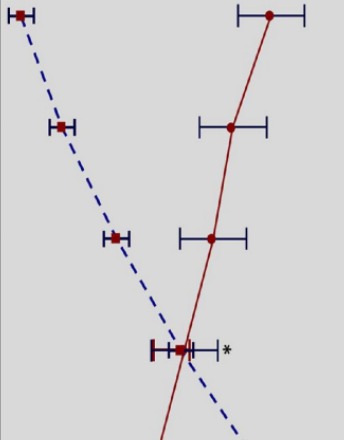
Pain Outcomes with an Elliptical Regimen (POWER) Study: Identifying the Proper Dosage of Exercise for Therapeutic Effect in Persons with Chronic Back Pain
Low back pain (LBP) is one of the most prevalent conditions that will affect 70-85% of individuals at some point in their life [1]. LBP accounts for 2.3% of all visits to the physician, and is the most common area of the body to experience pain [2]. Exercise has been a mainstay for managing persons with chronic low back pain for almost 40
J Phys Med Rehabil, 2020, Volume 2, Issue 2, p23-28 | DOI: 10.33696/rehabilitation.2.011
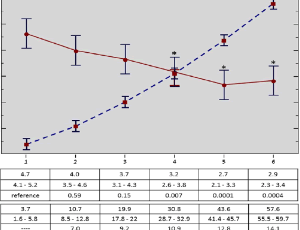
No Studies in Stroke Regarding Brain fMRI Activity and Pelvic Floor Muscle Training/Activation - Only Studies in Non-stroke Population: A Review of Neuroimaging Studies
Neurogenic lower urinary tract dysfunction (NLUTD) is highly prevalent in poststroke patients, leading to major impact on the quality of life (QoL) and healthcare resources. Pelvic floor muscle training (PFMT) has, over the past two decades, been recommended as first-line treatment for neurologically healthy patients with lower urinary tract symptoms (LUTS).
J Phys Med Rehabil, 2020, Volume 2, Issue 2, p29-39 | DOI: 10.33696/rehabilitation.2.012
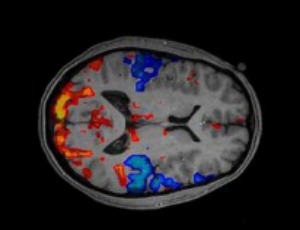
Long-Term Use of Oral Bisphosphonates and Fracture Risk in Men with Traumatic Spinal Cord Injury
Lower extremity fractures in individuals with a spinal cord injury (SCI) cause significant morbidity [1] and contribute to excess mortality [2]. Early identification of persons at highest risk for fracture is possible using bone mineral density (BMD) testing by dual-energy X-ray absorptiometry (DXA) imaging
J Phys Med Rehabil, 2020, Volume 2, Issue 2, p40-44 | DOI: 10.33696/rehabilitation.2.013
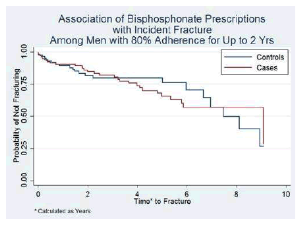
Gender Disparities in Outcomes Following Pulmonary Embolism Treatment in the Intensive Care Unit; A Multi-center Retrospective Cohort Study
Pulmonary embolism (PE) is a blockage of blood flow in the pulmonary artery bed that can result in a life-threatening and potentially reversible right ventricular failure [1]. PE remains one of the leading causes of poor prognosis and death, particularly when a shock or right ventricular failure occurs [2]. According to studies, PE is generally manifested in a nonspecific manner
Early Onset Fetal Growth Restriction: Does Path to Diagnosis Impact Outcomes and Pathology?
Objective: To evaluate demographics and outcomes of maternal-fetal pairs in early onset fetal growth restriction (FGR) requiring delivery prior to 34 weeks’ gestation based on ultrasound indication leading to diagnosis. Study Design: This is a descriptive study of maternal-fetal pairs with early FGR diagnosed prior to 30 weeks’ gestation and delivering between 22w0d and 34w0d under the care of Wake Forest University Perinatology 01/2012-12/2016.
Healthy Fetal Outcomes Using a Novel Treatment for Maternal Lyme Disease and Babesiosis During Consecutive Pregnancies: A Case Study and Literature Review
Babesia is a single celled protozoan parasite which may be transmitted through the bite of an infected tick, blood transfusion and/ or maternal-fetal transmission. We describe the case of a woman previously treated for Lyme disease and babesiosis who relapsed with severe malaria-like symptoms during the 3rd trimester of two consecutive pregnancies.
Low-level Progesterone on the Day of hCG Injection Has No Detrimental Effect on the Pregnancy Outcome after IVF with GnRH-a Protocol: A Retrospective Study
Objective: To investigate the effect of low progesterone (P) level on the day of human chorionic gonadotropin (hCG) injection on the outcome of in vitro fertilization (IVF) with GnRH- agonist (GnRH-a) long protocol. Methods: A retrospective study was conducted in a reproductive medicine center of University-affiliated teaching hospital. 1115 women included were divided into two groups according to the P level: Group 1 (233 women with P level ≤ 0.5 ng/ml, and Group 2 (882 women with P level >0.5, ≤ 1.5 ng/ml).
Influence of Clinical Risk Factors on Outcomes in Men with Stage I Non-Seminomatous Germ Cell Tumor Undergoing Robot-Assisted Retroperitoneal Lymph Node Dissection
We recently published our multi-institutional experience performing primary robot-assisted retroperitoneal lymph node dissection (RA-RPLND) for men with non-seminomatous germ cell tumor (NSGCT). We concluded that primary RA-RPLND for NSGCT can be performed safely with low complication rates, acceptable early oncologic outcomes, and lower overall theoretical chemotherapy burden. In this commentary, we explore outcomes in clinical stage I patients stratified by clinical risk factors (RF) and estimate reductions in chemotherapy burden.
Impact of Estradiol Supplementation during Luteal Phase Support on the In vitro Fertilization Clinical Outcome: Systematic Review and Meta-Analysis
Background: At present, progesterone administration is widely used. There is no agreement on whether estradiol (E2) addition should be supplement to progesterone (P) as luteal phase support (LPS). The present meta-analysis was conducted to clarify whether E2 supplementation as LPS has beneficial effect on the clinical outcome after in vitro fertilization (IVF)/intracytoplasmic sperm injection (ICSI).
Predicting COVID-19 Hospitalized Patients’ Outcome with Homocysteine
The COVID-19 pandemic has provoked a global, rapid increase of cases due to the high infectivity of the etiological agent, COVID-19 virus. In February 2021, over 110 million confirmed COVID-19 cases with 1 million deaths were reported worldwide (www.who.int).
Energy Expenditure and Nutrition in Neurogenic Obesity following Spinal Cord Injury
Worldwide, obesity is a public health concern and a metabolic ailment characterized by excessive adipose tissue accumulation resulting from an imbalance of energy expenditure and energy intake [1]. This disorder is a known risk factor for cardiovascular disease, type 2 diabetes mellitus, dyslipidemia, hypertension, and metabolic
Diet and Exercise: A Novel Cure for Asthma? - A Short Communications on a Non-Pharmacological Strategy
Behavioral interventions with regular physical activity, weight loss and diet have repeatedly demonstrated preventive effects in a wide range of diseases. Furthermore, an unhealthy lifestyle is a known predictor for increased use of medication and also the leading risk factor for global mortality.
Pain Outcomes with an Elliptical Regimen (POWER) Study: Identifying the Proper Dosage of Exercise for Therapeutic Effect in Persons with Chronic Back Pain
Low back pain (LBP) is one of the most prevalent conditions that will affect 70-85% of individuals at some point in their life [1]. LBP accounts for 2.3% of all visits to the physician, and is the most common area of the body to experience pain [2]. Exercise has been a mainstay for managing persons with chronic low back pain for almost 40
No Studies in Stroke Regarding Brain fMRI Activity and Pelvic Floor Muscle Training/Activation - Only Studies in Non-stroke Population: A Review of Neuroimaging Studies
Neurogenic lower urinary tract dysfunction (NLUTD) is highly prevalent in poststroke patients, leading to major impact on the quality of life (QoL) and healthcare resources. Pelvic floor muscle training (PFMT) has, over the past two decades, been recommended as first-line treatment for neurologically healthy patients with lower urinary tract symptoms (LUTS).
Long-Term Use of Oral Bisphosphonates and Fracture Risk in Men with Traumatic Spinal Cord Injury
Lower extremity fractures in individuals with a spinal cord injury (SCI) cause significant morbidity [1] and contribute to excess mortality [2]. Early identification of persons at highest risk for fracture is possible using bone mineral density (BMD) testing by dual-energy X-ray absorptiometry (DXA) imaging
Exercise, Strains and Their Impact on Bone Mineral Content and Density Losses
Bone mineral content and density (BMC, BMD) losses, which may subsequently lead to osteopenia and osteoporosis, appear in various disuse (aging, space flight and its analogs, spinal cord injury, etc.) conditions. While diet and hormonal status impact BMC and BMD values, a major factor responsible for these losses are the
Role of Exercise and Natural Protective Substances on Sirtuin Activation
The advancement of chronological age is characterized by the progression of symptoms of chronic degenerative diseases that are triggered or accelerated in their progression by unhealthy lifestyles, decreased fitness and inadequate nutrition with decreased consumption of natural protective substances. Recent scientific evidence
Exercise Benefits on Alzheimer’s Disease
Alzheimer’s disease (AD) is an age-related neurodegenerative disorder [1] and the most common cause of human dementia, accounting for approximately 60%?80% of cases. It is estimated that more than 30 million AD patients, and the number likely to increase to over 100 million by 2050 because of the increase of the elderly population [2].
Congenital Diaphragmatic Hernia: An Update on Management Strategies and Outcomes
Congenital diaphragmatic hernia (CDH) is a severe developmental anomaly with an estimated global prevalence at birth of about 2.3 in 10,000 live births. Despite recent advances in antenatal diagnosis, fetal interventions and postnatal management, the condition continues to have a high mortality due to pulmonary hypoplasia and pulmonary hypertension and affected infants can suffer long-term morbidity. In a prospective national population cohort study from the United Kingdom and Ireland,
The Effects of Vaginal Probiotic Administration on Perinatal Outcomes in Patients with Premature Preterm Rupture of Membrane
Preterm premature rupture of membrane is the rupture of the chorionic-amniotic membrane and leakage of amniotic fluid before the onset of labor pains and prior to the 37th week of pregnancy. Preterm premature rupture of membrane (PPROM) occurs in 3% of pregnancies and is the cause of about 25 to 30% of all preterm births. PPROM is an important contributor to perinatal morbidity.
Editorial Commentary for In Throwers with Posterior Instability, Rotator Cuff Tears are Common but Do Not Affect Surgical Outcomes
Superior labral pathology is an exceedingly common entity among throwers, and in recent years, a number of reports have elucidated the prevalence of posterior glenohumeral instability among overhead athletes (baseball, softball, volleyball.) However, within this unique patient population, these conditions should not be viewed as separate clinical entities, but, rather as findings that exist on a single pathomechanic spectrum.
A Clinical Audit on the Follow-up Rate and Endodontic Outcome of Root Canal Therapy Performed by Dental Undergraduates
To identify follow-up rate and evaluate the endodontic outcome and their association with technical quality of root canal therapy (RCT) done by dental undergraduates. Technical quality of RCT and follow-up rate visits of 350 teeth from 272 patients after RCT done by dental undergraduates were evaluated retrospectively from year 2012 to 2015 using the electronic records. These patients were recalled to assess the clinical, radiographic and overall endodontic outcome. Clinical and radiographic examinations were done following the criteria in compliance with standards guidelines.
Physiotherapy Exercise Program for Managing Adhesive Capsulitis in Patients with and without Diabetes: A Pilot Randomized Trial
Adhesive capsulitis (AC), also known as ‘frozen shoulder’, is characterized by the development of dense adhesions and capsular thickening leading to a progressive and painful restriction of shoulder range of motion (ROM) and functional disability [1]. The onset is gradual, usually occurs between the ages of 40 and 60 years and is more common in females and diabetics.
Scientific Archives is a global publisher initiated with the mission of ensuring equal opportunity for accessing science to research community all over the world. Spreading research findings with great relevance to all channels without any barrier is our goal. We want to overcome the challenges of Open Access with ensured quality and transparency.