

Loading
Journal of Cancer Immunology
ISSN: 2689-968X
Volume 3, Issue 4, p177-205
Articles published in this issue are Open Access and licensed under Creative Commons Attribution License (CC BY NC) where the readers can reuse, download, distribute the article in whole or part by mentioning proper credits to the authors.
Therapeutic Monoclonal Antibodies: Future Prospectives
Therapeutic monoclonal antibodies (mAb) have the potential to treat a wide range of various diseases and disorders including cancer, chronic autoimmune and inflammatory diseases, allergies, infections, transplantations, and cardiovascular diseases.
J Cancer Immunol, 2021, Volume 3, Issue 4, p177-182 | DOI: 10.33696/cancerimmunol.3.054
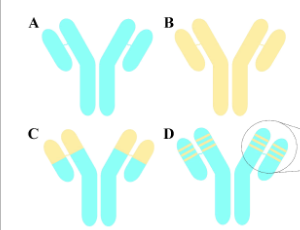
Humanized Chimeric Antigen Receptor (CAR) T cells
In 1989, researchers proposed an intricate strategy in the field of adoptive cell therapy (ACT). Using the T-cell receptor (TCR) as a template, they replaced the coding sequence for the Vα and Vβ chains with the antigen- recognition domains from an antibody (VH and VL chains).
J Cancer Immunol, 2021, Volume 3, Issue 4, p183-187 | DOI: 10.33696/cancerimmunol.3.055
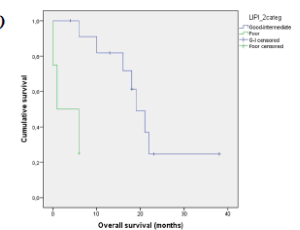
Biomarkers of Pembrolizumab Efficacy in First-Line Advanced PD-L1 ≥ 50% Non-Small Cell Lung Cancer Treatment
Lung cancer is the leading cause of cancer death worldwide. In 2020, a total of 19 million cancer patients were diagnosed, of which 11.4% were lung cancer, causing 18% of all cancer deaths. In 2020 in Spain, 29,638 cases were estimated.
J Cancer Immunol, 2021, Volume 3, Issue 4, p188-195 | DOI: 10.33696/cancerimmunol.3.056
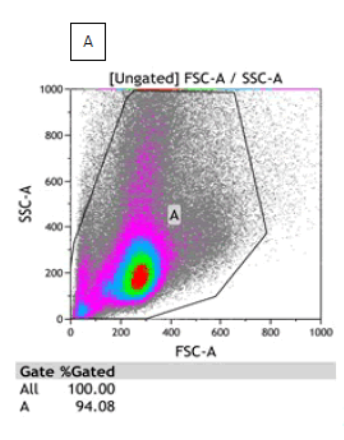
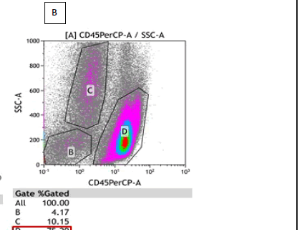
Immunophenotypic Characterization by Flow Cytometry of Chronic Lymphoid Leukemia
Chronic lymphoid leukemia (CLL) is a malignant hematological disease characterized by the accumulation of mature lymphocytes with a defect in the induction of apoptosis that massively accumulate in peripheral blood (PB), bone marrow (BM) and lymphoid tissues.
J Cancer Immunol, 2021, Volume 3, Issue 4, p196-205 | DOI: 10.33696/cancerimmunol.3.057
Karyotypic Profile of Chronic Myeloid Leukemia in Patients Diagnosed at Tertiary Level in Afghanistan
Balanced translocation resulting in fusion of the Abelson gene (ABL1) from chromosome 9q34 with the breakpoint cluster region (BCR) gene on chromosome 22q11.2 is the pathognomonic molecular driver of CML. The resulting BCRABL 1 fusion gene is both the diagnostic as well as therapeutic target of CML. The first agent with tyrosine kinase inhibitor activity that was licenced in 2000 for treatment of CML patients, was Imatinib, gradually followed by multiple agents with higher efficacy.
Prevalence of Symptom Clusters in Cancer Patients at First Presentation in Palliative Care Clinic as per Different Disease Groups
Cancer has its own disease burden and patients usually suffer from symptom clusters when they are referred for palliative treatment. Identification of symptom cluster trajectories will help clinician to take into account measures that can optimize quality of life of palliative patients. Therefore the aim of this paper is to determine the overall prevalence of symptoms and symptoms clusters in different disease groups according to etiology at the time of first visit to Palliative care clinic by using HIS Palliative First Assessment note indicating Edmonton symptom scale.
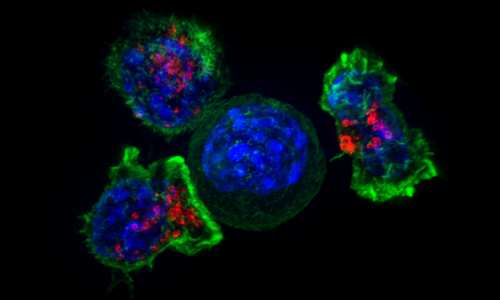
Chimeric Antigen Receptor CAR NK Cells Emerging Immunotherapy for the Treatment of Cancer
Although NK cells are recognized as effector lymphocytes of the innate immune system, they also regulate the adaptive immune response by releasing inflammatory cytokines and developing immunological memory. Unlike other lymphocytes such as T or B cells, NK cells do not express rearrangeable, antigen-specific receptors.
Therapeutic Values of Ketamine for COVID-19-Cared Patients: An Expert’s Point of View
Ketamine has long been used in the field of anesthesia [1]. Its rapid and long-acting analgesic effects associated with its dissociative properties have also established its use in prehospital and emergency department patients.
Gender Disparities in Outcomes Following Pulmonary Embolism Treatment in the Intensive Care Unit; A Multi-center Retrospective Cohort Study
Pulmonary embolism (PE) is a blockage of blood flow in the pulmonary artery bed that can result in a life-threatening and potentially reversible right ventricular failure [1]. PE remains one of the leading causes of poor prognosis and death, particularly when a shock or right ventricular failure occurs [2]. According to studies, PE is generally manifested in a nonspecific manner
Multidisciplinary Acute Care of Central Retinal Artery Occlusion with a Stroke Paradigm: A Call to Action
Central retinal artery occlusion (CRAO) is an ophthalmologic emergency that can result in permanent vision loss. Over 25% of CRAO are associated with acute cerebral ischemia, and there are many parallels between CRAO and acute ischemic stroke. There are no definitive treatment algorithms for CRAO, however there may be opportunities to treat CRAO as an “eye stroke”. Given the similarities to acute ischemic stroke, multidisciplinary involvement and stroke algorithms should be considered and tested for this disease.
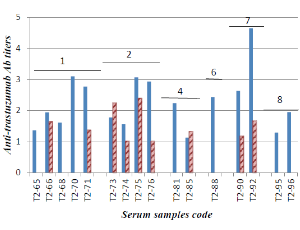
Safety of Using Rituximab Therapy During COVID-19 Pandemic
Our modern world is facing extraordinary circumstances while passing through a serious pandemic caused by the novel coronavirus (COVID-19) which may lead to multi-organ system failure & death. Bcell depletion could compromise antiviral immunity, which makes the safety of rituximab use in the COVID19 era unclear.
VA-Radiation Oncology Quality Surveillance Program: Enhancing Quality Measure Data Capture, Measuring Quality Benchmarks and Ensuring Long Term Sustainability of Quality Improvements in Community Care
Delivery of high-quality cancer care improves oncologic outcomes, including survival and quality of life. The VA National Radiation Oncology (NROP) established the VA Radiation Oncology Quality Surveillance Program (VAROQS) which has developed clinical quality measures (QM) as a measure of quality indices in radiation oncology. We sought to measure quality in community care, assess barriers to data capture, and develop solutions to ensure long term sustainability of continuous quality improvement for veterans that receive dual care, both within the VA and in non-VA community care (NVCC).
Thymoma as an Incidental Finding in a Myocardial Perfusion Study with 99mTc-MIBI
Myocardial perfusion imaging is a nuclear medicine imaging technique that allows to make an approach to the coronary condition in patients with moderate probability to have coronary artery disease. 99mTc MIBI myocardial perfusion is one of the most common techniques in nuclear medicine clinical practice. Extracardiac accumulation of the tracer is relatively common, and can be seen in certain tumors with high metabolic rate, due to the radiotracer’s mitochondrial preference.
The Potential Role of SEPT6 in Liver Fibrosis and Human Hepatocellular Carcinoma
Liver fibrosis is a reversible wound-healing response in which a variety of cells and factors are involved in and results in excessive deposition of extracellular matrix (ECM). Cirrhosis is one of the significant causes of portal hypertension and end-stage liver disease, and it is the 14th most common cause of death around the world. Approximately 1.03 million people worldwide die from liver cirrhosis every year.
Prognostic Utility of Ferritin Transferrin Ratio in Hepatocellular Carcinoma
There is growing body of literature to identify novel prognostic markers in hepatocellular carcinoma (HCC), including serum ferritin (SF), transferrin levels, alfa fetoprotein (AFP), and neutrophil to lymphocyte ratio (NLR). Chronic inflammation and fibrogenesis are considered quite essential in the oncogenesis of HCC. The trigger for this inflammation could range from viral hepatitis, alcoholic cirrhosis, to non-alcoholic fatty liver disease. Also, iron overload as in hereditary hemochromatosis is linked to one of the factors for HCC oncogenesis.
Prognosis and Survival of Medullary Carcinoma of the Breast
Medullary breast carcinoma (MBC) is a rare tumor, representing 3% to 5% of invasive breast carcinomas. The World Health Organization defines it as a well-circumscribed invasive tumor, composed of poorly differentiated cells, arranged in sheets, without gland formation and a scarce collagen stroma with the presence of a very prominent lymphoplasmacytic infiltrate.
Do Support Vector Machines Play a Role in Stratifying Patient Population Based on Cancer Biomarkers
Cancer is a worldwide public health issue that affects millions of people every year. In 2018 there were 17 million newly documented cases of cancer globally (8.8 million in men and 8.2 million in women), leading to 9.6 million deaths. Cancer is a vastly heterogeneous disease, with over 100 different types of cancer currently identified in humans; the most common types of cancer are lung, female breast, bowel and prostate, these four types account for more than 40% of all new cancer case
Can Filtration Technology Advance Culture of Circulating Tumor Cells towards Precision Medicine?
Expansion of Circulating Tumor Cells (CTC), the metastatic seeds of cancer in the blood stream, holds great potential in clinical application, especially towards precision medicine. Given the relatively rare nature of CTCs, their culture remains to be a significant challenge. When developing technologies for CTC culture, there are key elements that need careful consideration, including the speed of culture, compatibility with downstream analysis, and the implementation of the technology into established clinical daily routines. Herein, we briefly discuss the implications of our recent report of an ultrathin filter for the capture and culture of circulating colon cancer cells.
Sentinel Lymph Node Biopsy after Neoadjuvant Chemotherapy for Breast Cancer
Breast cancer is the second most common cancer worldwide, affecting nearly one in eight women. Accurate cancer staging is essential for determining the patient’s prognosis and for choosing the appropriate treatment. The staging system most often used is the American Joint Committee on Cancer (AJCC) TNM system, where T refers to the size of the tumor, N refers to spread of the primary cancer to nearby lymph nodes, and M refers to the spread of metastasis to distant sites in the body.
Forces, Chromosomal Configurations, and Carcinogenesis: Towards Another Therapeutic Approach
Previous studies of in vitro and in vivo morphogenesis may suggest a more inclusive principle governing biological processes. In this regard, methylglyoxal (MG) in very low, non-toxic concentrations and ascorbic acid have been shown to promote in vitro morphogenesis in various types of plants. Forces of cohesion and adhesion might be involved in such development. These are conveyed through the electronic desaturation of protein by means of MG and ascorbic acid.
Safety and Efficacy of s-MOX Regimen in Patients with Colorectal Cancer Who Developed Cardiotoxicity Following Fluoropyrimidine Administration: A Case Series
Fluoropyrimidines compose the backbone of regimens to treat many common solid tumors, including gastrointestinal (GI), breast and head/neck. As we continue to use these agents routinely, recognition of rare but real toxicities, such as cardiotoxicity, has also improved. The treatment options for patients who have encountered fluoropyrimidine-induced cardiotoxicity are limited as many anti-angiogenic drugs also pose a cardiac risk.
Radical Radiotherapy of Locally Advanced Cervix Uteri Carcinoma
External beam radiotherapy with concomitant platinum-based chemotherapy followed by brachytherapy is defined as radical radiotherapy of cervix uteri carcinoma. Radical radiotherapy is the gold standard treatment for locally advanced cervix uteri carcinoma. The rates of survival and treatment-related adverse events in patients with cervix uteri carcinoma are affected by both stage of disease and treatment. Both should be optimal in proportion to the available facilities. Here, recommendations from the current literature are presented.
Hypertrophic Cardiomyopathy and the Troponins: The Enigma Remains
Hypertrophic cardiomyopathy (HCM) is a heart muscle disorder and is the most common form of Mendelianinherited heart disease, affecting approximately 0.2% of the global population. In adults the disease is often inherited as an autosomal dominant trait caused by mutations, mainly in one of the 23 cardiac sarcomere protein genes.
Machine Learning for Healthcare: Emerging Challenges and Opportunities in Disease Diagnosis
Diagnosis is a process that identifies, explains, or establishes the individual’s disease from its symptoms and signs. Early and precise diagnosis is crucial since it influences the efficacy of treatment and avoids longterm complications for the infected person. Further, in the case of infectious diseases, undiagnosed patients can transmit the disease to a healthy population unknowingly. Besides, most of the diseases evolve with the time that significantly affects the clinical outcomes.
Scientific Archives is a global publisher initiated with the mission of ensuring equal opportunity for accessing science to research community all over the world. Spreading research findings with great relevance to all channels without any barrier is our goal. We want to overcome the challenges of Open Access with ensured quality and transparency.