
Abstract
Neurology requires complex and multi-faceted care for patients with multi-disciplinary collaboration. There is significant strain on current physicians due to limited provider availability and resources. APPs offer an excellent source of support and care to patients and are able to work closely with physicians and care teams with varying degrees of supervision and offer excellent and comprehensive care to patients. They are able to function well and integrate themselves into care teams in various settings to offer excellent patient care and improve patient outcomes. In this review, we seek to discuss the diverse and expanding roles of APPs in various settings in the neurological workplace to deal with ever expanding needs of patients and healthcare systems. We seek to showcase the functions and opportunities that can be exploited by using these excellently trained workers to achieve good patient care and combat the shortfall of physician availabilities and limitations in resources. We declare that great results can be achieved by healthcare systems with proper and planned integration of APPs into the neurological workplace to meet a number of systemic shortcomings and achieve wonderful patient outcomes.
Keywords
Nurse practitioners (NPs), Physician assistants (PAs), APPs
Abbreviations
APP: Allied Practice Providers / Advanced Practice Providers; NP: Nurse Practitioners; PA: Physician Assistants; ER: Emergency Room; ICU: Intensive Care Unit; MS: Multiple Sclerosis
Introduction
Neurology is among the most complex fields of medicine and involves caring for patients with diverse and demanding conditions, necessitating multidisciplinary care among various medical providers. Caring for neurological patients requires a complex framework of division of labor amongst multiple healthcare professionals to achieve successful healthcare outcomes. This process is confounded by a shortage of highly trained physicians that are able to meet the growing numbers of neurological patients across various specialties. There is an increasing demand for medical professionals across the board to offer specialized and high-quality care for complex and demanding neurological patients [1]. The current number of medical professionals is proving to be woefully inadequate to meet the demands of healthcare systems and patient populations. The prolonged duration of high-quality training further exacerbates the problem and results in delayed arrival of more doctors to care for these patients [1]. While it is not possible to reduce the duration of training or rapidly increase the number of medical professionals and maintain quality of skilled practitioners, experts are certainly working on developing other solutions to tackle the problem.
Nurse practitioners (NPs) and physician assistants (PAs) form the two main groups of providers that serve as allied practice providers or advanced practice providers (APPs). These APPs often work closely with physicians in various settings to offer supporting and often, equivalent, care to patients. APPs have been used increasingly to assist neurological teams in inpatient, outpatient, emergent and critical care settings to meet the burden of patient demand and physician shortages. Multiple healthcare systems and experts are continuously working on developing guidelines to enable effective and efficient incorporation of these APPs into neurological departments nationwide in supporting and specialty roles as well.
We seek to describe some of the procedures and ideas put forth and implemented for the incorporation of these APPs into departments nationwide. The data has shown that these inclusions have proven to be beneficial and effective while helping achieve great patient satisfaction as well. We look forward to discussing these measures and discussing potential ideas to continue to incorporate these APPs into neurological practice as the field continues to expand and evolve. Current data looks at the training practices and guidelines used to train and supervise APPs, and their roles when integrated into various specialty settings in neurology. We seek to collate this data and study it in detail to achieve a comprehensive view of the role of APPs in various neurological settings and to improve our understanding of potential shortfalls or gaps in quality of care or knowledge, with a view to identifying points of intervention to improve their utilization and performance of healthcare systems and patient care as a whole. We seek to compare and contrast the pros and cons of integrating APPs into neurological practice across a variety of settings, inpatient vs outpatient, academic vs community, etc., with a view to developing better and well-defined guidelines to maximize the impact of their inclusion and minimize gaps in quality and accuracy in care offered by them.
The data for this manuscript was obtained from papers published in reputable journals accessible on PubMed. A comprehensive literature search was performed to determine shortfall in neurology physicians, need and current census for APPs across various settings and disciplines. Papers detailing training curricula and clinical and professional experiences for APPs were analyzed in detail to understand the intricacies and shortcomings in neurology training for APPs. Various papers were studied to look at departmental and institutional requirements for targeted care in various neurology subspecialties to determine patient care and provider resource gaps that were being covered by APPs and offer potential targets for future intervention as well. Studies looking at departmental procedures, changes and modifications to accommodate and integrate APPs into neurological care in various settings were analyzed and chosen. Papers detailing care management practices and patient responses and outcomes were studied to offer data for this manuscript. While neurology focused studies involving APPs were the main focus of the paper, studies from other fields like oncology and allied sciences to neurology like psychiatry were also studied to enable extrapolation of APP focused practices from these fields into neurology to improve integration of APPs into neurological care. While the number of studies in each of these aspects of APP related care were relatively few, a large number of studies were analyzed across these domains to offer data for the preparation of this manuscript.
Discussion
Need for APPs in neurology
There is a large shortfall in the number of neurologists nationwide with the average age of neurologists at 52 years and average wait time to see a neurologist in clinic of about 35 days [2]. These shortages were expected and reported in studies from the recent past [1]. These studies highlighted the growing shortage of neurologists (estimated at 20% less than required number), demands of an aging population, increasing complexity of neurological care and demands on professional time, along with the lack of neurological training for ER and primary care physicians, and reductions in Medicare and payer support, as significant challenges to the healthcare system in the field of neurology that needed to be overcome through innovative measures [1]. All these studies hinted at various challenges and shortcomings in the healthcare system and recommended improving utilization of APPs to increase and improve access to neurological care for patients [1]. These recommendations have been pursued with some vigor by experts and healthcare systems with striking results. There are currently over 380, 000 APPs in the country, with a greater than 50% increase in that number expected by 2033 [3]. These APPs work in various settings and disciplines with diverse responsibilities in the field of neurology. The results have been quite impressive and promising, as we will detail below.
Neurological care has become more complex, with greater incorporation of sophisticated imaging technologies, invasive and innovative procedures for diagnostics and treatment, increasing collaboration between neurological providers and other specialties like critical care physicians, surgeons, mental health professionals, incorporation of research and developmental diagnostic and therapeutic measures, and increasing burden of electronic record keeping; all of which place great demands on the time and efforts of the treating neurologist and limit their availability and personal time to the patient, thus affecting their quality of care and personal rapport with patients and their families. This complex medical-social-technical intersection provides a great node for providers like APPs to step in and fill the gaps in patient care to enable physicians and patients and their families to receive high quality care without compromising clinical and research efforts and achieving optimal utilization of healthcare system resources. These modifications to the neurological care delivery system can significantly improve access to neurological care in a timely manner across both urban and rural settings and greatly offset the shortage of neurological care providers nationwide, and eventually worldwide.
Educational support and training for APPs in neurology
The need to incorporate APPs into neurological programs has been suggested and planned for many years. Many APP training programs have worked to increase exposure to neurological care for trainees with promising results, as stated below.
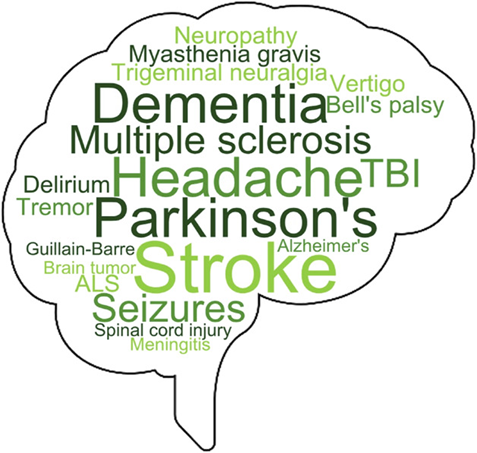
APPs are often exposed to diverse fields during their training and neurology exposure is not mandatory. Many APPs are undecided about their choice of a career in neurology at the onset of training. There is limited standardization across training programs with regards to neurology training and many APPs report minimal to no training in the field of neurology. Studies into neurology training for NPs showed some interesting findings, as stated ahead. Neuroscience related courses were taught in 99% of NP programs, with 98% programs teaching neurological disease and hands on neurological examination, but diagnostic reasoning in neurology, differential diagnoses of neurological symptoms, lesion localization and neuro radiology were the least often taught subjects (20-25%) [4]. Such shortcomings were attributed to a variety of factors. The NP training curriculum was designed to provide exposure to a large variety of conditions across disciplines to offer well-rounded and generalized knowledge and skills, rather than focusing on a neurology-focused experience. This was felt to contribute to lesser attention to neurology and an accompanying decline in comfort in dealing with most neurology related issues [5]. These shortcomings were used to improve curricula for NPs in the field of neurology. Eighty-two percent of programs were found to offer well-structured neurology focused experiences in their curricula, rather than just incorporating the experience into their core pathways [4]. Dementia, headache, Parkinson’s disease and stroke were found to be the most commonly seen diagnoses during the neurology training segments, according to trainees evaluated in these studies [4] (As shown in Figure 1 below).
Ninety-three percent of these programs reported having instructors that were neuro specialized NPs, while about 40% had physician neurologist preceptors and 15% were neuroscientists that specialized in clinical teaching in neurology [4]. Eighty-seven percent of training programs offered hands-on training in clinical examination, but only 3% of programs had a mandatory neurology course. Among the neurology elective track programs, only 10% of students or less opted to take a neurology course. Fifty-seven percent of programs reported difficulties in offering neurology experiences due to a lack of receptors, while about 26% reported difficulties due to a lack of clinical training sites [4]. All these findings suggest that while programs are keen on offering high-quality clinical experiences in neurology, limitations in faculty and site availability, along with some degree of trainee disinterest, may be contributing to limitations in neurology skills among NPs.
Similar findings were seen in training programs for PAs. Neuroanatomy and examination were taught universally (92-95% of programs), but neuro radiology was less frequently taught (67% of programs) [6]. Only one program had a mandatory neurology course, but 85% of them did offer neuro electives [6]. Twenty-one percent of programs reported dedicated neurosciences courses within the core pathway [6]. Thirty-nine percent of neuroscience courses were taught by neuro focused providers [6].
These findings point to a definite training gap for APPs in the field of neurology. Results from these studies have been used to develop newer training paradigms for incoming trainees and bridge the gap in their neurological skills. APP trainees are not usually trained to think like neurologists in the management of neuro issues and newer training paradigms focus on offering them greater focused experiences in the field and increasing their comfort levels with managing multiple neuro focused conditions [5]. These programs focus on expanded blocks of time on neurology rotations, including inpatient and outpatient settings, along with subspecialty experiences to enhance the neuro focused training experience [5]. The trainees are able to work closely with preceptors in a variety of inpatient and outpatient clinical settings, along with participation in focused didactics, to achieve a higher level of comfort and proficiency in neurological care [7].
There has been increasing interest in using APPs to enhance reach and care for neurological patients over the years and such studies have shown great value in identifying and combating shortcomings in training such professionals. There has been considerable effort and outreach from existing medical professionals to offer high-quality training to improve the neurological skills of APPs and it is expected that these ventures would continue to grow exponentially in the future to permit better care and easier access to neurological treatments for an ever-increasing volume of patients.
APP focused training in neurology needs to meet certain requirements. It needs to be well defined and focused on providing high-quality and targeted training for the management of neurological conditions. It needs to meet criteria of sufficient standardization across various settings and supervising mentors to achieve consistent and confident participation in neurological care by APP trainees. It needs to impart skills that help trainees work in various collaborative and supervisory roles with varying levels of independence to offer impactful care to patients. Topics like neurological reasoning, differential diagnostics, interpretation of neuroradiology, clinical examination and acute and chronic neurological care planning are of utmost importance and must be offered in comprehensive detail to improve the comfort and confidence of APP trainees to diagnose and manage patients with a variety of neurological conditions in various clinical settings. Training also needs to focus on developing new skills and participating in administrative and educational planning for neurology care providers to enable better integration into the workforce and achieve professional career advancement and financial advancement as well. Last but not least, imparting research-oriented skills would also greatly enable APPs to better integrate into the neurological workplace and improve their chances of achieving personal satisfaction and professional advancement.
|
Gaps in APP neurology training |
Potential / Ongoing interventions in neurology training for APPs |
|
|
APPs in management of stroke
Stroke patients represent one of the largest patient populations within neurology and account for a significant number of inpatient and outpatient volumes. Approximately 13.7 million people are affected annually by strokes worldwide, with about 5.5 million annual fatalities [8]. The resultant morbidity and mortality from strokes affect large segments of the population, irrespective of educational or socioeconomic status [8]. Neurology training devotes a significant amount of time to learning and understanding the management of strokes and serving as a foundational basis of knowledge of neurological localization and diagnosis. Worldwide, neurological departments invest significantly to achieve high-quality management of strokes in inpatient and outpatient settings, as strokes contribute heavily to patient morbidity and mortality [8]. While neurologists form the mainstay of stroke care, there is significant input from other specialties like radiology, neurosurgery, ER teams, in addition to paramedical providers like physical and occupational therapists, speech therapists and language pathologists and rehabilitation providers. Achieving timely and successful outcomes in stroke care requires precise coordination amongst these providers and often poses significant challenges to healthcare systems due to the acuity and complexity of care and chronic burdens placed on patients and providers. Incorporation of APPs into stroke care has been a long sought-after maneuver by healthcare systems to offer support to clinicians and families, while maintaining quality of care and excellent outcomes – as detailed below.
This begins with the first stages of stroke management. Studies have shown that developing APP based treatment pathways has greatly improved access and administration times for thrombolytics like alteplase (r-tPA) and Tenecteplase (TNK). These pathways have greatly improved patient treatment times and concurrently patient outcomes as well, along with significant improvements seen in hospital stroke care metrics, like duration of stay and time spent in rehab [9]. Development of APP based pathways has helped reduce wait times from patient arrival to radiology, neurological evaluation and administration of thrombolytics. These APP based pathways greatly complement conventional pathways with physicians and often enable greater coverage of hospitals, in settings like ERs or post op care, enabling faster response times and better response rates at odd hours of day as well. Support from physician teams is present as well, should the need arise for complex or equivocal cases. Radiological support minimizes the element of risk involved in interpretation of scans by APPs as well. Physician teams are able to offer support by telephone or video consultation as well, if their physical presence may be delayed or impossible. APP based teams also enable faster and more focused evaluations in the ER and minimize diversion of ER physicians to care for stroke patients [9]. Having stroke neurology trained / certified APPs increases the probability of offering thrombolytics in a timely manner to the patient, as studies have shown that non-neurology providers are less likely to offer thrombolytics to patients [10].
APPs are also able to offer telemedicine care in the acute stroke setting. Many hospitals or centers may not have a neurologist available in-house or in-person to offer timely evaluation. Studies have shown that telemedicine is an excellent option for quick and efficient evaluations in the acute stroke settings [11]. APPs are able to offer prompt and accurate care for acute stroke patients, which helps achieve timely treatment administrations and better patient outcomes [11]. APPs are able to examine patients, review imaging findings, calculate NIH stroke scale scores and have discussions with treating teams to expedite use of thrombolytics and other therapies for acute stroke with excellent outcomes.
APPs serve a lot of important functions on the inpatient stroke teams as well. They are able to examine patients and review chart records, just like any other member of the stroke team. They are able to round with the teams on patients, often independently of physicians, and develop treatment plans for them. They are able to collaborate with other members of the team like therapists and pharmacists to ensure holistic care for their patients. Stroke trained APPs are often able to offer specialized and high-quality care, including discharge or rehab planning and management of medical comorbidities as well [12]. Due to their all-round training in APP programs, many APPs are able to manage medical comorbidities of inpatients with stroke quite well, sometimes with greater comfort than specialized stroke clinicians, who have more neurology focused training. APPs are also able to offer significant contribution to stroke related research, by performing research coordinator functions, documenting patient exams and interventions, completing research trial related tasks. Many APPs are also involved in stroke research inclusive of writing papers, conducting journal clubs, patient visits in inpatient and outpatient settings [12]. All these points serve to highlight the important role that APPs play in the management of inpatient stroke in clinical and research settings as well.
APPs are also able to perform quite well with stroke patients in the outpatient settings. Many stroke patients need expedited clinic follow-up, which is often provided by APPs. They are able to see patients in stroke clinics and offer excellent and timely follow-up care within a few weeks of hospital discharge. Many healthcare systems have challenges with offering expedited hospital follow up for such patients due to limited number of physician providers and clinic availability. APPs have greatly expanded access to outpatient clinics for such stroke follow-up patients [13]. Studies have even shown that hospitals with APP run or led clinics are able to achieve excellent transitional care from hospitals to rehab or home, with lower rates of readmissions from stroke related complications at 30- and 90-days post discharge [13].
Stroke care has significantly evolved over the last two to three decades with significant advancements in medications and interventions seen, along with greater contributions from paramedical providers and therapists. APPs have greatly contributed to the evolution of stroke management in inpatient and outpatient settings and are expected to be at the vanguard of stroke care for a long time to come. Their all-round medical knowledge, coupled with their excellent interpersonal skills and adaptability in various settings, make them an excellent asset in the management of stroke patients in inpatient and outpatient settings for clinical and research purposes.
Contributions of APPs to epilepsy care
Epilepsy represents a significant proportion of neurology patients with about 3.5 million patients in the USA and about 50–65 million patients worldwide [14]. Care for epilepsy patients is a significant burden on healthcare systems from the resource and financial point of view [14]. Care for epilepsy patients involves significant planning and collaboration amongst various medical and paramedical professionals and excellent guidelines have been proposed to enable better and skilled care for epilepsy patients [15]. Physician presence for care of epilepsy patients is limited by a variety of factors including call limitations, management of emergencies, division of responsibilities between inpatient and outpatient settings, and teaching responsibilities in academic settings. This results in severe constraints on their presence and availability in the care of epilepsy patients. APPs serve as an excellent addition to the epilepsy care team and are able to offer skilled and specialized care in various settings for epilepsy patients.
Access to epilepsy focused neurology providers is challenging, with many patients not seeing an epilepsy clinician for over a year, despite having a diagnosis of epilepsy [16]. Limitations in number of epilepsy physicians, clinic availability, need for emergent and call coverage are among the main factors limiting availability of outpatient appointments for epilepsy patients [16]. Hybrid clinics with physicians and APPs have shown great benefit in caring for epilepsy patients to offer timely and efficient care in the outpatient setting [17]. Data analyses show that these hybrid teams with doctors and APPs are able to provide equivalent care and meet quality measures for epilepsy management, while achieving superior adherence on certain guidelines like counseling measures of querying for side effects, provision of personalized epilepsy safety education, and screening for behavioral health disorders [17]. These APP driven clinics are able to offer counseling and specialized care for epilepsy surgery and refractory epilepsy patients as well. They are also able to accommodate higher patient volumes enabling cutting of patient backlog and reducing patient wait times for scheduled and emergent appointments [17].
Vagal nerve stimulation (VNS) represents a relatively newer modality of neuromodulation that is offered for treatment of refractory epilepsy patients. VNS placement involves a stimulator implantation in the chest with an electrode being placed from the stimulator to the vagus nerve in the neck to send continuous pulses to the brain and inhibit ongoing seizure activity. VNS adjustment can be done in the inpatient and outpatient settings for seizure management. APP driven clinics have been developed for device adjustment to enable timely and effective care of patients and reduce burden on clinicians [18]. VNS adjustment needs to be done every couple of weeks after implantation and every few months once the settings are more stable. This requires frequent appointments, which can be challenging to achieve with limited scheduling and clinic availability of physicians. APP driven clinics are able to meet this shortfall and offer excellent care to enable timely and focused care for such patients. Workshops and lectures with demonstrations have been held to teach APPs to identify and counsel refractory epilepsy patients regarding VNS management and enable step-by-step support for such patients during the evaluation and implantation process. APPs are able to work closely with these patients and their families to support them during this process and are able to offer excellent care in conjunction with and under supervision of trained physicians like epilepsy neurologists, neurosurgeons, neuropsychologists, etc. Studies have consistently shown the excellent value of APPs in this regard [18].
Inpatient video EEG monitoring forms the gold standard of care for diagnosis and management of epilepsy due to its high probability of capturing seizures and enabling accurate and customized care for epilepsy patients [19]. This is offered in specialized epilepsy monitoring units (EMUs). These EMUs have multiple components including specialized rooms with safety beds and equipment, video EEG equipment, epilepsy specialized physicians, specially trained nurses, and technologists. Neurosurgeons and ICU teams are also available on call continuously to help manage epilepsy emergencies or other life-threatening situations. Patient care in the EMU is intensive and often places considerable demands on the time and efforts of treating epilepsy neurologists. Many of these physicians are often juggling multiple duties with ICU patients, ER patients, clinic patients, and teaching and research responsibilities, as EMUs are often setup at academic centers. APPs have a strategically important role to play in offering care to inpatients by rounding on them, guiding and counseling them in regards to day-to-day care and long-term plans for epilepsy management, coordinating care demands with physicians, neuropsychologists and nurses. They are able to perform semi-independent roles on the EMU team to offer excellent support to physicians, while maintaining significant autonomy and decision-making capabilities on these teams. EMU teams are able to achieve excellent outcomes in the care of epilepsy patients with significant inputs in care from APPs [19]. APPs are able to help with medication adjustment, epilepsy and comorbidity counseling, coordination of care, epilepsy surgery guidance and planning and form an integral part of EMU teams. They are also able to participate in research ventures in the EMU, a contribution of immense value to research and clinical care, due to the structured and supervisory nature of the EMU in most epilepsy centers [19]. Their contributions are of excellent value in helping setup and run EMUs in a variety of settings, including resource constrained locations [20].
APPs are thus able to contribute to care of epilepsy patients in various settings and enable high-quality and skilled patient care to achieve good outcomes, by performing in significantly autonomous roles with minimal supervisory input from physicians, thus offering significant value and reduction in resource utilization and related constraints in healthcare systems.
Utility of APPs in caring for patients with dementia and neurodegenerative conditions
Dementia and neurodegenerative conditions like multiple sclerosis (MS) or Parkinson’s disease represent a significant proportion of patients seen by neurology practices. Care for such patients is complex and often involves multi-disciplinary collaboration amongst providers, along with management of complex and significant medical comorbidities. The workload of care for such patients is substantial, and APPs would certainly have a large role to play in offering excellent care for these patients and support for their families.
Dementia affects a large number of patients worldwide and includes multiple conditions like Alzheimer’s dementia, vascular dementia, Lewy Body Dementia, frontotemporal dementia, among others. Cognitive impairment, neuropsychiatric symptoms with behavioral issues, falls and social and medicolegal support represent some of the greatest burdens placed on patients and their caregivers, along with representing treatment targets for physicians involved in their care. Estimates state that there at least 6.2 million patients with Alzheimer’s dementia in the USA [21]. Medicare expenses to care for them are approximately $350 billion every year, while unofficial expenses for caretakers are approximate to $260 billion annually [21]. Medical professionals are involved in managing cognitive impairment, mood and behavioral disturbances and offer guidance in managing personal safety along with medicolegal planning advice. They often work with neuropsychologists and psychiatrists to offer care as well. While evaluation of cognitive subtypes and eligibility for antibody infusion therapies may be complex and require a highly trained neurologist to perform, basic evaluation and management is relatively simple. Basic evaluations involve bedside examination with history taking, often using cognitive assessments like the Montreal Cognitive test (MOCA) or the Mini-Mental status examination (MMSE). These are then followed by basic laboratory and imaging investigations, and then neuropsychology testing in some cases. These basic evaluations are simple and somewhat time consuming. They can however be performed by APPs and proficiency in them is easy, with a bit of practice. The initial evaluation can thus be performed adequately well by APPs, with supervisory input from physicians, if necessary. APPs can offer great support in caring for conditions like Parkinson’s disease, due to their ability to assist with patient examinations and document patient progress using standardized measures like the Unified Parkinson’s disease rating scale (UPDRS). Calculating UPDRS scores can be time consuming, and the APPs can offer great support with this and other less complex tasks, enabling more time for physicians to focus on other issues in these patients and achieve greater coverage in care for them [22].
Behavioral issues in dementia are a great burden and source of stress for patients and caregivers and occur in all kinds of dementias. Specialized clinics led by APPs have been setup to recognize and offer interventions for such behavioral issues in dementia patients [23]. These interventions include medications, videos, internet resources and written materials for management. Patients and caregivers are paired with APP led teams including psychologists and therapists, with serial monitoring and support over multiple visits. Data evaluating feedback from patients, caretakers and providers has shown great benefit in the management of these behavioral symptoms of dementia and reduction in stress for patients and caregivers [23]. Conditions like Lewy body dementia would be great for management in such clinics, due to the high prevalence of behavioral issues in Lewy body dementia.
Multiple sclerosis (MS) is another neurodegenerative condition that requires extensive care for patients and the need for prolonged and intensive monitoring of disease progression and responsiveness to therapy. This condition is estimated to affect more than 2.5 million people worldwide, with significant associated morbidity and mortality [24]. Care for MS patients involve evaluation with multimodal imaging, multiple blood and spinal fluid tests for diagnosis and surveillance of treatment response and complications, superimposed on a backdrop of complex physical examinations that need to be done serially for monitoring. MS patient visits are complex and time-consuming and often require managing MS and comorbid conditions like depression and anxiety as well. Patients are often unable to discuss all the details of their care at a single visit, resulting in inadequate care and less satisfactory outcomes. APP led or supported clinics for MS have been shown to have favorable responses from patients and clinicians [25]. These clinics are able to offer multimodal care and have different providers focusing on neurological and mental health issues during the same visit or over multiple closely timed consecutive visits. APPs are able to focus on some of the simpler aspects of MS, that would not need complex physician input and devote time to managing the behavioral and psychosocial issues of MS [25]. Studies have shown that these APP led / guided MS clinics have achieved excellent patient outcomes, while also achieving high scores for patient and provider satisfaction [25]. Better understanding of APP perceptions and skills with MS patients and their needs has also resulted in better coordination of care between APPs and their colleague physicians, resulting in better patient care and lower probability of provider burnout and treatment inertia in MS [26].
APPs have thus shown themselves to be adept in helping manage patients with a variety of neurodegenerative conditions and greater integration of their skills into care for these patients in an innovative and appropriate manner is the order of the day. Their assistance has been proven to be of great value in helping physicians and healthcare systems manage care for these complex and demanding patients.
Role of APPs in general neurology and other aspects of neurology
General neurology represents the largest pool of patients seen in neurology clinics and the highest burden of effort for providers as well. Wait times to be seen in neurology clinic average 35 days as stated before and subspecialty appointments can take 3–4 months to get for patients [2]. APPs have been integrated in a variety of ways into the general neurology clinic to expedite this process and provide timely and effective care to patients.
Hybrid clinic models including teams consisting of physicians and APPs have been used to offer outpatient care quickly to new patients and have achieved reduction of wait times from 300 days to about 10 days at some centers [27]. Patients reported high satisfaction scores for such clinics with excellent triaging procedures enabling timely and effective care for patients in these hybrid clinics [27]. Wait times for new patients and follow up evaluations were significantly reduced as a result of these clinics. Many centers are able to improve their access for patients by modifying their current clinic templates to enable APPs to offer a variety of services in neurology clinics. APPs are able to perform skilled history taking and competent examinations, along with other important activities like patient education and family counseling, and medical services such as administration of botulinum toxin (for chronic headache), IV infusions (for MS), and other injection procedures [28]. APPs help bridge the gap between inpatient and outpatient follow-up, and collaborate with other consultants, a necessity for discharge planning and prevention of unnecessary inpatient readmissions [28]. Some academic centers have developed fast neurology clinics for quick outpatient care for neurology patients. These clinics consist of teams comprised of physicians, resident and fellow trainees and APPs working in tandem to triage and care for outpatient with neurological complaints. These clinics have resulted in an 83% reduction in wait times for clinic appointments for patients, along with a 60% reduction in non-emergent consults to the ER; resulting in significant reduction of resource diversion to emergent settings to care for stable and likely non-emergent patients [29]. These clinics were able to diminish the burden of ER consults on inpatient neurology residents, reduce unnecessary admissions, and avoid use of inpatient neurology services for nonemergent consultations. An APP would triage such consults and discuss them with a physician, if needed, to determine the patient’s eligibility for these fast neuro clinics. Seventy-four percent of the referred cases were for general neurology consultations. The no-show rate of 5.4% was nearly half of the 9.5% seen for regular clinic appointments. Patient and provider satisfaction scores from physicians, trainees and APPs were high and supported the belief that these fast neurology clinics did not detract from the clinical experience or quality of service [29]. Similar care models have been offered for general neurology in various other countries like the UK, Canada, Ireland as well with excellent results [29].
Neuro-ophthalmology represents a slightly more niche subset of patients within the neurology population, and focuses on patients with neurological conditions with ocular manifestations and symptoms. Neuro-ophthalmological clinics are limited in number with restricted access to most patients in a timely manner. There has been some work done showing that APPs working with specialized clinicians could offer great value in treating neuro-ophthalmology patients by expediting care and improving access for them [30]. The APPs can assist the physicians in bedside examination and assessment and participate in review and performance of simple tests and procedures and patient counseling to expedite the process and utilize time and resources efficiently.
Neuropathy represents an extremely common complaint for many patients and can be caused by a myriad number of causes. Peripheral neuropathy is highly prevalent and affects about 1% of the population worldwide, with the most common subtype, diabetic neuropathy affecting about 200 million people worldwide annually [31]. Cancer chemotherapy induced neuropathy represents a common adverse event from this treatment. Some specialized cancer treatment centers have developed treatment algorithms involving APPs providing guideline-based care for acute chemotherapy induced neuropathy with great efficacy and success [32]. Neuro-oncology care for patients places great demands on time and effort for treating physicians and APPs have shown great value in such care teams for patients. Brain tumors affect 350,000 to 400,000 people annually across the world and cause significant morbidity and mortality [33]. Management of these conditions requires intensive investment of time, finances and other resources from healthcare systems [33]. Some centers have designed APP led Ommaya reservoir clinics to manage leptomeningeal carcinomatosis (LMC) with defined clinician roles and the chemotherapy treatment protocols [34]. APP led Ommaya clinics optimized use of physicians and opened physician availability for nonprocedural duties and also demonstrated the operational and leadership growth potential for APPs [34].
Value of APPs in critical care neurology (neuro ICUs)
Intensive care units (ICUs) represent the most challenging and difficult neurological patients to manage due to their high acuity of care and severity of disease. Due to the extensive advancements in medical care, ICUs are now being demarcated into specialized units for cardiac, surgical care, etc. and neurology is not far behind in this regard. Many centers now have specialized neuro ICUs dedicated to the care of neurological and neurosurgical patients [35]. However, the number of neurology physicians with ICU level training is limited and many general and specialty neurologists are forced to work with patients whose degree of morbidity far exceeds the provider’s levels of comfort in offering treatment. Moreover, the desired high intensity of care around the clock has left many neuro ICUs with a shortfall of ICU neurology physicians and necessitated the involvement of anesthesiologists and other critical care trained providers, with limited training in neurology itself. This often places providing teams at a crossroads with challenges arising in maintaining constant and high-quality coverage for patients in neuro ICUs [36].
APPs are of great value in bridging these challenges in neuro ICUs. Many of them have years of training and experience caring for ICU patients and offering high-level care for them. These APPs are also experienced in performing many procedures for these ICU patients and can greatly help with the distribution of clinical duties for these patients. APPs have years of experience in managing complex patients with multiple comorbidities in various specialties, in addition to expertise in performing procedures like arterial and other line placements, catheter insertions and device implantations and adjustments, along with skills in managing wounds and infections, etc. These diverse skills in combination with neurological knowledge and procedures, enable many experienced and well-trained APPs to be highly competent and capable members of neurocritical care teams and offer highly intensive care to these complex and morbid patients. Many centers have developed innovative and detailed curricula for APPs to work with ICU patients and develop the requisite skills to enable high-quality care and neurology focused management to deal with these complex and challenging situations [37]. These training programs are able to provide well-rounded yet, neurology focused, knowledge and skills in neurological care and procedures to enable excellent outcomes for neuro ICU patients [37]. Studies have shown that such neuro ICUs are able to achieve excellent outcomes with inclusion of APPs in their neuro ICU treatment teams, along with distribution of workload amongst team members, while maintaining wonderful clinical outcomes and high patient and family satisfaction measures as well [38]. Additional workload sharing by APPs was associated with higher safety scores, improved team spirit, better communication with staff and patients, and better ability to predict or prevent a neurological deterioration (p<.0001 for all) [38]. Higher APP numbers, longer duration of experience, greater involvement in neuro ICU procedures, and increased and accurate documentation all correlated positively with more safety [38].
APPs are thus of extremely high value in neurocritical care due to their excellent bedside skills, all-round knowledge of medical care, in addition to neurology, procedural familiarity, which makes them excellent additions to neuro ICU teams to help with workload distribution, while offering excellent care and maintaining wonderful communication amongst providers and patients, along with their families. The development of neurology focused training programs for ICU care for APPs has greatly enhanced their effectiveness in neuro ICUs and enabled hospitals worldwide to enhance their ICU capabilities, meet provider shortfalls and offer high-quality care for patients as well.
Role of APPs in neurology research
Research in neurology involves basic, translational and clinical aspects. While basic and translational research may require the involvement of scientists and specialized researchers, there is scope to involve APPs in them as well. Clinical research offers myriad opportunities to involve APPs in the project pathway. Eligibility for research requires interest in the subject, along with basic knowledge of it. Many APPs have extensive experience in working with patients and can participate confidently and efficiently in research protocols for various clinical studies. Initial training in ethics and research protocols can certainly be performed more than adequately by them to guarantee eligibility for participation in research studies and trials.
APPs can be involved in various steps like initial visits and consent gathering, along with follow up visits and data collection. Many research studies do not require complex or detailed examinations, making it easier for APPs to participate and perform simplified and curtailed examinations at their visits. Studies into various conditions like dementia or Parkinson’s disease may involve calculation and performance of standardized scales like the NIH Stroke Scale (NIHSS), Mini Mental status exam (MMSE), Montreal Cognitive Assessment (MOCA), and the unified Parkinson’s Disease Rating Scale (UPDRS) or components of these studies. APPs can certainly be trained to administer the required scales for evaluation and document them accordingly. Many APPs already have experience with administering and calculating scores for these scales.
Documentation requirements for most studies are not as rigorous as clinical exam note taking for regular visits. This makes it simpler and easier for APPs to chart study notes and meet criteria for research protocols. APPs have extensive experience in patient evaluations and documentation and can help assess patients periodically and regularly as part of research study protocols. This would serve as a great source of support for clinicians and research study coordinators and limit resource allocation on their behalf, by sharing responsibilities with APPs. APPs with sufficient training and experience may also serve as research coordinators or primary or secondary site investigators to greatly enhance research capabilities of various medical centers. Their duties can include various responsibilities like patient visits and evaluations, documentation and data gathering, consent explanation and acquisition, ordering and following up on laboratory and other study results, along with data analysis and presentation, depending on their level of skill and the needs of the research protocol and center.
Training APPs to meet the requirements of research protocols is not particularly different, as compared to training clinicians or other study personnel. APPs interested in research can be encouraged to attain the required skills and participate in research studies and trials to improve research capabilities. They would also be able to enhance their skills and earning potential by being involved in research studies. APPs can serve as excellent conduits for research protocols in inpatient and outpatient settings for a variety of neurological research studies. They can work with a certain degree of independence and can certainly assume significant responsibilities in conjunction or under the supervision of senior researchers or study coordinators.
The use of APPs in research is a matter of great interest and an excellent step for many research centers and studies to enhance subject enrolment and data gathering and by extension, greatly improve their research capabilities, while also offering an additional career pathway and skill set for APPs to gather and further advance their career prospects.
Challenges / controversies
The use of APPs in medical practice has not been without its share of challenges and controversies. Many patients and families prefer to get care from physicians, due to the perception that APPs are less qualified and experienced, and by extension, less skilled. Practices have been accused of using APPs to offer limited or substandard care at lower costs, due to lower payments to APPs. Studies over time have shown that a lot of these beliefs are misconceptions and are rooted in older prejudices. APPs have been able to provide excellent quality care, comparable to physicians, with good outcomes and in a cost-effective manner as well, as stated below.
Many centers have hired more APPs over the last few years to offer additional support to physicians and trainees, due to various constraints like shortfall in physician numbers, long wait times for patient visits, reduced working hour restrictions for trainees, rising costs of healthcare for patients and increasing complexity of care for patients due to availability of advanced diagnostic and therapeutic options [39]. Many physicians wish to limit admitting privileges for APPs, especially without medical supervision. They also wish to offer lower financial reimbursements to APPs due to lower perceived levels of care and complexity for patient treatments [39]. Insurers pay APPs 85% of the reimbursement rates offered to physicians, due to perceived lower levels of complexity and skill involved in the care of these patients [39]. Healthcare systems also pay APPs standard salaries, rather than productivity-based income, due to perceptions of lower quality of care from APPs and the expectation to pay physicians more for managing complex patients and supervising APPs in addition to teaching trainees, etc. [39]. Most states require that APPs work with a supervising physician [39].
Many of the differences between care provided by APPs and physicians have been studied and helped dispel many misconceptions and false notions regarding the quality and volume of care provided in various settings. APPs are more likely to spend a higher number of days in clinic as compared to physicians, who divide time between inpatient and outpatient settings, in addition to teaching and other responsibilities like research [40]. Primary care physicians spend more time in patient medical records, while specialty physicians spend less time in the medical records, as compared to APPs – a finding that reflects breadth of medical comorbidity and complexity of care for patients treated in primary care and different subspecialities [40]. Physicians also see a higher number of level 4 and 5 coding patients across specialties than APPs, a finding that also reflects more frequent care for complex patients by physicians [40]. APPs operate collaboratively with physicians and see patients in independent and shared visits in medical specialties (like oncology), but in surgical specialties (like ENT / otolaryngolorhinology), they increasingly conduct less-complex, specialty-specific procedures and usually perform routine post-procedure follow-up visits [40]. Many studies have shown that differences in various practice parameters such as quality of history taking, ordering low value tests and placing excessive referrals exist across physicians and APPs in practice, but these differences improve over time and with training and collaboration; suggesting the continued supervision and collaborative care results in improved quality of care across all provider types, resulting in overall improvement in healthcare outcomes for patients and healthcare systems [41]. These findings have been observed across primary care and various specialties, strongly corroborating the value of collaborative care, supervision and feedback to improve care for patients and practice quality across different practice settings [41].
Autonomy and supervision of APPs in practice is often a challenging situation to manage. Complex neurological care places APPs in positions of relative inexperience or discomfort, especially when dealing with patients with relatively obscure or unusual conditions or manifestations. Most institutions mandate varying degrees of supervision of APPs by physicians to offset some of these difficulties, but it can limit the ability of APPs to care for more complex and interesting patients with reasonable degrees of autonomy, especially if they are able to manage the less complex aspects of care for the same patients. These issues can be mitigated by offering adequate training in management of common situations and recognition of uncommon or unusual situations to enable prompt involvement of supervising physicians. Division of labor in a suitable manner would also enable APPs to operate with significantly increased autonomy and need for limited close supervision. This would help them achieve a sense of independence and team leadership while preserving their ability to access support from physicians for complex and challenging situations.
Career advancement for APPs in neurology can be another major challenge as well. Many APPs find themselves relegated to serving as assistants or coordinators of care without significant decision-making capabilities or senior team roles. Duties in these diminished capacities include documentation, admission or discharge planning, repetitive tasks, sole responsibility of coordination of undesirable duties like meetings or inter-departmental collaboration, and representing the team as the first-line of care while dealing with difficult or aggressive patients – factors which cause significant burnout and reduce their morale, resulting in greater dissatisfaction and turnover in APP roles in neuro teams. Imparting more clinical and research skills, fair and equitable distribution of clinical and administrative responsibilities, developing research and educational roles, collaborative team-spirit would all go a long way towards combating dissatisfaction and reducing burnout and loss of APPs in neurological care teams.
Various systemic shortcomings like provider shortage, call duty restrictions, inconsistent definition of roles and duties, and the overwhelming patient volumes and associated responsibilities all contribute to challenges faced by APPs in neurology. While APPs are recognized as a godsend to counter the provider shortage and improve access to care for patients, they are often thrust into the role with limited knowledge or training, which makes them susceptible to more uncomfortable situations with patients and families needing complex care and increases the chances of discomfort for them as well. Trainees at various levels are subjected to call and duty hour restrictions to prevent burnout. However, APPs have been exploited by healthcare systems to counter the lack of available providers in such situations, resulting in higher stress and discomfort in being on call more often than needed. While physicians and trainees have well defined roles in patient care and coordination, APPs brought in to fill the gaps experience a lack of clarity or direction in making decisions or coordinating care and often need supervision and support to meet the demands of their job. The ever-increasing number of patients and associated clinical responsibilities and administrative burdens add to the workload of care teams all the time. A greater focus on clinical and educational duties for trainees and physicians often results in delegating extraneous or less essential or less interesting documentation, clinical or administrative duties to the APPs on the team, leaving them with the dissatisfaction of feeling like poorly paid labor for completing mundane and repetitive tasks that do not offer intellectual stimulation or educational value to them. Well defined and reasonable expectations and distribution of duties in an even and equitable manner, along with the development of an all-inclusive team spirit, go a long way towards including APPs in the team culture and combating dissatisfaction at a personal and professional level.
Medicolegal challenges also complicate the picture of involving APPs in complex neurological care. Legal implications from misdiagnoses or therapeutic misadventure are aplenty and certainly raise the stakes in a scenario with a complex patient. Supervising physicians and administrators are wary of the legal implications of such situations involving APPs; while many APPs themselves avoid complex situations due to the legal grey area involved in their care as the primary provider for the patient, under the umbrella of medical practice of the supervising physician. Most states do not offer independent practicing privileges for APPs and malpractice situations often include the supervising physician to varying degrees of culpability. This medicolegal landmine often counters the desire of physicians and APPs to practice with varying degrees of independence and autonomy and forces both groups of providers to practice dogmatic and legally defensive medicine. Many care teams adopt team based collaborative approaches involving physicians and APPs to limit medicolegal exposure from APPs on their care teams. Better training for APPs to achieve comfort and reasonable autonomy in a variety of medical scenarios, readily available supervision over extremely close monitoring, collaborative and guideline-based care, reassurance and support from medical colleagues and administrative superiors all go a long way towards ensuring competent and supportive neurological care from APPs with reasonable degrees of autonomy and support. Better defined legal protections and definitions, along with medicolegal guidance and support would greatly offer mental peace and support to APPs and medical providers along with the administrative staff at healthcare systems. This would greatly encourage greater and closer integration of APPs into care systems on a regular basis.
Credentialing challenges abound in the field of medicine and APPs are no exception. Continuous certifications, repeated examinations, and access to tailored educational content that is offered at their level of understanding and relevant to the scope of their practice, are but some of the educational challenges that APPs have to regularly face. These challenges have been increasingly recognized recently, resulting in the development of various supportive measures like APP focused lectures, conferences and workshops, certification courses and exams relevant to them and cost structures relevant to their pay scales and lifestyles. Offering such supportive measures for education and certification with high-impact would go a long way towards including APPs in neurological care and research.
Lessons from non-neurological disciplines and Future directions
Many studies have looked at the comparative roles and functions of APPs and physicians across primary care and subspecialties. These studies have served as excellent substrates to develop treatment paradigms for neurology patients. Oncology has been an excellent source of data to develop neurology focused paradigms for APP care due to the complexity of patients, large number of medical comorbidities and need for offering high-quality care for a large number of patients. APP services for oncology care include performing clinical procedures, managing disease and treatment, and providing education and counseling [42]. APP supported cancer screening and prevention services, in collaboration with physicians, showed significantly higher increase in screening procedures like, Pap smears and mammograms, compared to the increase in these screening activities through a chart reminder system – a finding that strongly supports the role for APPs in surveillance and monitoring for medical conditions [42]. With the professional demands and time constraints on physicians, it is essential to optimize APP utilization to improve screening and prevention programs. APPs practice in different oncological domains alongside oncology physicians and other interdisciplinary experts. They are involved in reviewing referrals and directing patients to the appropriate clinics for their initial evaluation and diagnostic procedures, collaborating with physicians to determine treatment decisions, overseeing the coordination of care, conducting follow-up visits, and providing management of symptoms. By doing all these, they are engaged as clinicians, educators, and patient advocates [42]. They also collaborate during treatment and disease management by facilitating clinical trials and other research-related efforts. APPs facilitate fast access for new patients who need evaluation for a newly diagnosed cancer or the possibility of a new cancer diagnosis. Palliative care includes team-based care planning, pain and symptom management, communication with patients and families, maintaining continuity of care across clinical settings, attention to spiritual comfort and psychosocial support, bereavement support, and hospice care. APPs are able to perform many of these functions well and operate with great independent and efficacy in these settings providing much needed care and relief to oncology patients and their families [42]. The role of APPs in palliative care cannot be overstated, a finding proven to be of much benefit to oncology patients, and by extension, many patients with debilitating neurological disease. Neurological care can learn extensively from the excellent care offered by APPs to cancer patients in palliative and hospice care settings, to offer comfort of care and symptom management to debilitate and dying neurological patients.
Psychiatry is treated as the sister discipline to neurology and APPs have shown to be of great value in offering care to patients with mental health conditions as well. There is a significant shortfall in the number of available psychiatric physicians, and APPs have shown great promise to offer excellent and much-needed care to these patients as well. While the number of currently accredited psychiatric APPs represents less than 2% of the total number of APPs, it is expected that more of them will enter the field over time due to their expertise in managing patients with multiple comorbidities, and the fact that their skill sets would serve as an excellent baseline to develop psychiatric management skills and offer great care to needy patients [43]. Many APP training programs offer collaborative clinical experiences for APP trainees and physician trainees in psychiatry residencies and fellowships, a great training stage for an obvious collaborative practice in reality, with regards to the management of psychiatric patients [43]. APPs develop extensive experience and skills in managing patients with multiple medical comorbidities, which serves as an excellent opportunity to develop training and treatment paradigms for the management of neuromodulation, prescribing buprenorphine, ketamine, and esketamine for depression, addiction psychiatry, geriatric psychiatry, and psychosomatic medicine [43]. The medicolegal nature of psychiatry and its providers is also of great importance in developing adequate and excellent practitioners of this art. Psychiatry is thus a great field to develop and incorporate the skills of APPs and serve as a worthy conjunction to the field of neurological care as well. APPs have a great role to play in this regard.
While many challenges continue to exist with regards to the efficacy and financial structure of incorporating APPs into medical practice, there is no doubt as to their importance and efficiency in developing their skills and achieving a significant degree of independence and autonomy in offering patient care, while maintaining an excellent collaborative working relationship with physicians and administrators in a variety of settings. Many pointers to improve incorporation of APPs into the neurological disciplines have also been addressed in the previous sections discussing individual conditions and serve as a template to push the field forward with efficacious inclusion of APPs (Table 2). While departments and providers modify their practices and teaching workload to accommodate these changes, healthcare systems also need to enact and implement administrative and logistical changes to support the effective inclusion of APPs into neurological care (Table 3).
|
Condition |
Current Roles |
Future Opportunities |
|
Stroke |
|
|
|
Epilepsy |
|
|
|
Dementia |
|
|
|
Parkinson’s Disease |
|
|
|
Multiple Sclerosis |
|
|
|
General neurology |
|
|
|
Headache |
|
|
|
Neuro-oncology |
|
|
|
Neurocritical care |
|
|
|
|
|
|
|
|
|
|
|
|
|
Conclusions
Advanced practice providers are an excellent addition to the field of neurological practice. Sufficient evidence has been provided with regards to their high value and efficacy in providing excellent care for patients. They are able to provide wonderful care across clinical, administrative and research settings to improve patient access and healthcare outcomes exponentially. Their diverse and well-rounded knowledge and skills offer great value in caring for neurological patients with a variety of medical comorbidities. They are able to function independently in a variety of settings and can obtain supervision from physicians when necessary. Incorporating APPs into neurological practice can greatly relieve clinical and administrative burdens on physicians and help them focus their efforts into patient care. Collaborative care for patients from physicians and APPs is the way forward to achieve expeditious care, better outcomes and faster access to medical management for patients and their families. Healthcare systems need to account for the increasing importance of APPs in medical systems to develop patient treatment pathways to access them and to improve on current training programs to enhance neurological skills of APPs and position them in a better and more confident position to offer care for complex neurological patients.
Author Contributions and Acknowledgements
AS was involved in conceptualization, literature review, writing, editing and final preparation of the manuscript.
Funding and Ethical Statements
There was no funding involved for the publication of this manuscript. The manuscript has been prepared in conformity with accepted and established ethical guidelines for research. The manuscript was exempted from IRB approval by the SSM Health team as it was a review and there was no usage of patient identifying information. The author stands behind the authenticity of the published data and will be responsible for making necessary changes in the event of errors being found in the work. There was no usage of artificial intelligence (AI) in any form or manner in the development and writing of this manuscript.
References
2. Cook CL, Schwarz HB. Advanced practice Clinicians—Neurology’s underused resource. JAMA neurology. 2021 Aug;78(8):903–4.
3. NP Fact Sheet. American Association of Nurse Practitioners. Accessed June 11, 2024.
4. Swider K, Cook C, DiLibero J, Hall KE, Naclerio M, Gheihman G, et al. Education Research: Neurologic Education in Nurse Practitioner Programs: Results of a National Needs Assessment Survey. Neurol Educ. 2025 Feb 5;4(1):e200190.
5. Morgenlander JC, Blessing R. The Duke neurology advanced practice provider residency: Its time has come. Neurol Clin Pract. 2016 Jun;6(3):277–80.
6. Harrison DS, Naclerio M, Swider K, Garrubba C, Yu AT, Busler A, et al. Education Research: Neurologic Education in Physician Assistant Programs. Neurol Educ. 2022 Dec 1;2(1):e200029.
7. Morgenlander JC, Simers LA, White K, Walker BD. Evolution of Advanced Practice Provider Fellowship Training in Neurology Over 10 Years. Neurol Educ. 2024 Oct 31;3(4):e200173.
8. Kuriakose D, Xiao Z. Pathophysiology and Treatment of Stroke: Present Status and Future Perspectives. Int J Mol Sci. 2020 Oct 15;21(20):7609.
9. Sung SF, Huang YC, Ong CT, Chen YW. A Parallel Thrombolysis Protocol with Nurse Practitioners As Coordinators Minimized Door-to-Needle Time for Acute Ischemic Stroke. Stroke Res Treat. 2011;2011:198518.
10. Reed SD, Cramer SC, Blough DK, Meyer K, Jarvik JG. Treatment with tissue plasminogen activator and inpatient mortality rates for patients with ischemic stroke treated in community hospitals. Stroke. 2001 Aug;32(8):1832–40.
11. Demaerschalk BM, Kiernan TE; STARR Investigators. Vascular neurology nurse practitioner provision of telemedicine consultations. Int J telemid Appl. 2010; 2010:507071.
12. Anderson E, Fernandez S, Ganzman A, Miller EC. Incorporating Nonphysician Stroke Specialists Into the Stroke Team. Stroke. 2017 Nov;48(11):e323–5.
13. McClain JV 4th, Chance EA. The Advanced Practice Nurse Will See You Now: Impact of a Transitional Care Clinic on Hospital Readmissions in Stroke Survivors. J Nurs Care Qual. 2020 Apr/Jun;35(2):147–52.
14. Fiest KM, Sauro KM, Wiebe S, Patten SB, Kwon CS, Dykeman J, et al. Prevalence and incidence of epilepsy: A systematic review and meta-analysis of international studies. Neurology. 2017 Jan 17;88(3):296–303.
15. Labiner DM, Bagic AI, Herman ST, Fountain NB, Walczak TS, Gumnit RJ; National Association of Epilepsy Centers. Essential services, personnel, and facilities in specialized epilepsy centers--revised 2010 guidelines. Epilepsia. 2010 Nov;51(11):2322–33.
16. Kobau R, Luo YH, Zack MM, Helmers S, Thurman DJ. Epilepsy in Adults and Access to Care--United States, 2010. MMWR: Morbidity & Mortality Weekly Report. 2012 Nov 16;61(45).
17. Hill CE, Thomas B, Sansalone K, Davis KA, Shea JA, Litt B, et al. Improved availability and quality of care with epilepsy nurse practitioners. Neurol Clin Pract. 2017 Apr;7(2):109–17.
18. Fisher B, DesMarteau JA, Koontz EH, Wilks SJ, Melamed SE. Responsive Vagus Nerve Stimulation for Drug Resistant Epilepsy: A Review of New Features and Practical Guidance for Advanced Practice Providers. Front Neurol. 2021 Jan 15;11:610379.
19. Tatum WO, Mani J, Jin K, Halford JJ, Gloss D, Fahoum F, et al. Minimum standards for inpatient long-term video-EEG monitoring: A clinical practice guideline of the international league against epilepsy and international federation of clinical neurophysiology. Clin Neurophysiol. 2022 Feb;134:111–28.
20. Villalpando-Vargas FV, Mortola FA, Barrera de León JC, Sánchez-Murguía TP, Mora-Rodríguez IM, Cisneros-Orozco JA, et al. Two-year experience of a newly established epilepsy monitoring unit in a resource-limited setting. Clin Neurophysiol Pract. 2025 Mar 7;10:84–9.
21. 2021 Alzheimer's disease facts and figures. Alzheimers Dement. 2021;17(3):327–406.
22. van der Marck MA, Bloem BR, Borm GF, Overeem S, Munneke M, Guttman M. Effectiveness of multidisciplinary care for Parkinson's disease: a randomized, controlled trial. Mov Disord. 2013 May;28(5):605–11.
23. Barton C, Merrilees J, Ketelle R, Wilkins S, Miller B. Implementation of advanced practice nurse clinic for management of behavioral symptoms in dementia: a dyadic intervention (innovative practice). Dementia (London). 2014 Sep;13(5):686–96.
24. Ehtesham N, Rafie MZ, Mosallaei M. The global prevalence of familial multiple sclerosis: an updated systematic review and meta-analysis. BMC Neurol. 2021 Jun 28;21(1):246.
25. Smyth P, Watson KE, Al Hamarneh YN, Tsuyuki RT. The effect of nurse practitioner (NP-led) care on health-related quality of life in people with multiple sclerosis - a randomized trial. BMC Neurol. 2022 Jul 25;22(1):275.
26. Saposnik G, Del Río B, Bueno-Gil G, Sempere ÁP, Lendínez-Mesa A, Rodríguez-Antigüedad A, Terzaghi M, et al. Behavioral aspects of nurse practitioners associated with optimal multiple sclerosis care in Spain. PLoS One. 2021 Dec 8;16(12):e0261050.
27. Ross SC. An option for improving access to outpatient general neurology. Neurol Clin Pract. 2014 Oct;4(5):435–40.
28. Black SB, Pearlman SB, Khoury CK. Adding an advanced practice provider to a neurology practice: Introduction to outpatient and inpatient models. Neurol Clin Pract. 2016 Dec;6(6):538–42.
29. Roy S, Keselman I, Nuwer M, Reider-Demer M. Fast Neuro: A Care Model to Expedite Access to Neurology Clinic. Neurol Clin Pract. 2022 Apr;12(2):125–30.
30. Warner JEA, Krikova I. Physician Assistants in Neuro-Ophthalmology. Neuroophthalmology. 2024 Dec 5;49(2):123–6.
31. Mauermann ML, Staff NP. Peripheral Neuropathy: A Review. JAMA. 2026 Jan 20;335(3):255–66.
32. Kolb NA, Smith AG, Singleton JR, Beck SL, Howard D, Dittus K, et al. Chemotherapy-related neuropathic symptom management: a randomized trial of an automated symptom-monitoring system paired with nurse practitioner follow-up. Support Care Cancer. 2018 May;26(5):1607–15.
33. Fan Y, Zhang X, Gao C, Jiang S, Wu H, Liu Z, et al. Burden and trends of brain and central nervous system cancer from 1990 to 2019 at the global, regional, and country levels. Arch Public Health. 2022 Sep 17;80(1):209.
34. Leese EN, Weeder JL, Manikowski JJ, DeLaRue AM, Conger AR, Mahadevan A, et al. PA- and NP-led Ommaya clinics to manage leptomeningeal carcinomatosis. JAAPA. 2021 Dec 1;34(12):35–41.
35. Jha RM, Sheth KN. Neurocritical Care Updates in Cerebrovascular Disease. Stroke. 2021 Jul;52(7):2436–39.
36. Eshraghi R, Yazdani MS, Bahrami A, Amani-Beni R, Darouei B, Mokhtari M, et al. Advanced neuromonitoring techniques for medical and neurological ICU patients. Brain Res Bull. 2025 Oct 1;230:111513.
37. Langley TM, Dority J, Fraser JF, Hatton KW. A Comprehensive Onboarding and Orientation Plan for Neurocritical Care Advanced Practice Providers. J Neurosci Nurs. 2018 Jun;50(3):157–60.
38. Robinson J, Clark S, Greer D. Neurocritical care clinicians' perceptions of nurse practitioners and physician assistants in the intensive care unit. J Neurosci Nurs. 2014 Apr;46(2):E3-7.
39. Sarzynski E, Barry H. Current evidence and controversies: advanced practice providers in healthcare. Am J Manag Care. 2019 Aug;25(8):366–8.
40. Rotenstein LS, Apathy N, Edgman-Levitan S, Landon B. Comparison of Work Patterns Between Physicians and Advanced Practice Practitioners in Primary Care and Specialty Practice Settings. JAMA Netw Open. 2023 Jun 1;6(6):e2318061.
41. Johnson D, Ouenes O, Letson D, de Belen E, Kubal T, Czarnecki C, et al. A Direct Comparison of the Clinical Practice Patterns of Advanced Practice Providers and Doctors. Am J Med. 2019 Nov;132(11):e778–85.
42. Reynolds RB, McCoy K. The role of Advanced Practice Providers in interdisciplinary oncology care in the United States. Chin Clin Oncol. 2016 Jun;5(3):44.
43. Morreale MK, Balon R, Coverdale J, Louie AK, Beresin E, Guerrero APS, et al. Supporting the Education of Nurse Practitioners and Physician Assistants in Meeting Shortages in Mental Health Care. Acad Psychiatry. 2020 Aug;44(4):377–9.