

Loading
Journal of Diabetes and Clinical Research
ISSN: 2689-2839
Volume 3, Issue 2, p33-54
Articles published in this issue are Open Access and licensed under Creative Commons Attribution License (CC BY NC) where the readers can reuse, download, distribute the article in whole or part by mentioning proper credits to the authors.
To Quell Childhood Obesity: The Pacific Ending Childhood Obesity Network’s Response
The need to accelerate collective and concerted action to combat Non-Communicable Diseases (NCDs) and childhood obesity is particularly relevant in the Pacific context.
J Diabetes Clin Res, 2021, Volume 3, Issue 2, p33-36 | DOI: 10.33696/diabetes.3.034

Implementation of Technology in the Follow-up of Patients with Diabetes: Is it Possible in a South American Country?
Despite better treatments and technology available in usual clinical practice, achieving a good glycemic control in patients with diabetes is challenging. In times of SARSCoV- 2/COVID-19 infection, chronic diseases like diabetes have been associated with adverse outcomes.
J Diabetes Clin Res, 2021, Volume 3, Issue 2, p37-39 | DOI: 10.33696/diabetes.3.035

CERT-Dependent Ceramide Transport, A Crucial Process in Cells
In mammalian cells, ceramides are central lipids in sphingolipid metabolism and serve both as signaling lipids and as precursors for other bioactive sphingolipids, ranging from complex glycosphingolipids to “simpler” lipids such as ceramide-1-phosphate, sphingomyelin (SM), sphingosine and sphingosine-1-phosphate (S1P).
J Diabetes Clin Res, 2021, Volume 3, Issue 2, p40-45 | DOI: 10.33696/diabetes.3.036
Plasma Non-Esterified Fatty Acids (NEFA) in Type 2 Diabetes Mellitus: Evidence on Pathophysiology
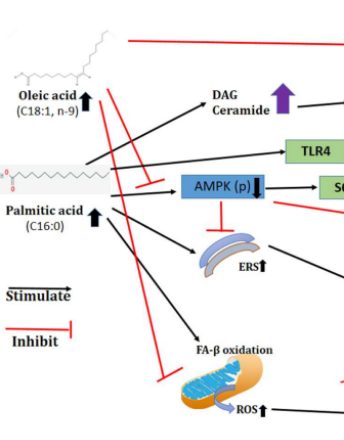
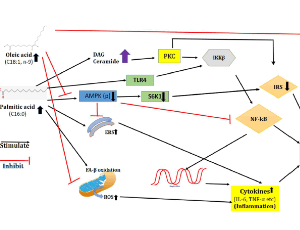
Type 2 diabetes mellitus (T2DM) is a metabolic dysfunction characterized by elevated levels of blood glucose as well as impaired lipid and protein metabolism. The mobilization of fatty acids is augmented in insulin resistance due to the failure of lipolysis inhibition by the hormone that further augments the increase in plasma NEFA levels.
J Diabetes Clin Res, 2021, Volume 3, Issue 2, p46-50 | DOI: 10.33696/diabetes.3.037
Short Commentary on African Cuisine-Centered Insulin Therapy: Expert Opinion on the Management of Hyperglycaemia in Adult Patients with Type 2 Diabetes Mellitus
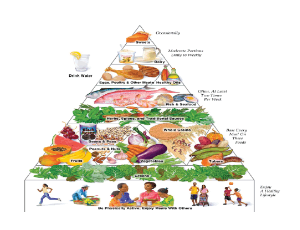
The traditional African diet is considered a very rich source of nutrition being largely whole with minimal processing [1]. There are unique challenges when managing Diabetes in Africa especially when making nutritional recommendations. An appropriate diet protects organ (heart, liver, pancreas etc.) health and vice versa.
J Diabetes Clin Res, 2021, Volume 3, Issue 2, p51-54 | DOI: 10.33696/diabetes.3.038
Constitutively Active Death Receptor Induces Apoptosis in Mammalian Cells
Apoptosis is a physiological response in development and homeostasis of metazoans. Apoptosis is triggered during pathological events as a means to renew affected tissues and eliminate cancer cells. The immune system regulates the extrinsic pathway of apoptosis, where signals such as TNFα or displayed ligands on the surface of immune cells trigger signal cascades by death receptors present on targeted cells. Therapeutics, like Doxorubicin, lead to apoptosis successfully.
Chimeric Antigen Receptor CAR NK Cells Emerging Immunotherapy for the Treatment of Cancer
Although NK cells are recognized as effector lymphocytes of the innate immune system, they also regulate the adaptive immune response by releasing inflammatory cytokines and developing immunological memory. Unlike other lymphocytes such as T or B cells, NK cells do not express rearrangeable, antigen-specific receptors.
COVID-19 Clinical Research
While the global COVID-19 pandemic has challenged the entire humanity and health systems, it also triggered researchers to urgently perform clinical trials to assess the safety and efficacy of many agents and modalities to combat COVID-19. As of April 22, over 650 clinical studies have been registered both in USA and internationally. Results from these studies are also coming at a brisk pace in this unprecedented emergency.
Therapeutic Values of Ketamine for COVID-19-Cared Patients: An Expert’s Point of View
Ketamine has long been used in the field of anesthesia [1]. Its rapid and long-acting analgesic effects associated with its dissociative properties have also established its use in prehospital and emergency department patients.
A Bioinformatics Protocol for Rational Design of Peptide Vaccines and the COVID-19 Rampage
The currently ongoing coronavirus pandemic, the SARSCOV- 2, interchangeably referred to as the COVID-19 infection, has in a short span of time altered the ways and means of almost all of mankind. So strong has been its effect that all human activity ceased in one way or another for a considerable time, led to significant loss of life and economic drain of.
Lessons Learnt from COVID-19: How Can We Prepare for Another Pandemic?
Five months into the COVID-19 pandemic, the U.S. death toll from the virus has now surpassed 100,000 people. Many more cases remain nationwide, while an unknown number of patients currently harbor the virus asymptomatically. While health officials are now optimistic regarding the decline in prevalence and number of deaths due to COVID-19 and the possibility of a vaccine by the fall, we cannot lose sight of the bigger picture: the next pandemic.
Safety of Using Rituximab Therapy During COVID-19 Pandemic
Our modern world is facing extraordinary circumstances while passing through a serious pandemic caused by the novel coronavirus (COVID-19) which may lead to multi-organ system failure & death. Bcell depletion could compromise antiviral immunity, which makes the safety of rituximab use in the COVID19 era unclear.
Educators as Essential Workers in the Era of COVID-19: Applying Lessons from Disaster Recovery
In the article, “Mental Health Framework: Coronavirus pandemic in post-Katrina New Orleans” [1], Shervington and Richardson offer recommendations about how to anticipate and address disaster-related, trauma exposures associated with the coronavirus pandemic
How Well Do Hemodialysis Patients Respond to the BNT162b2 mRNA COVID-19 Vaccine?
In January 2020, the World Health Organization (WHO) classified COVID-19 to be a Public Health Emergency of International Concern and declared it a pandemic on March 11, 2020 [1]. Over one hundred and eighty-five million people have been infected by SARS-CoV-2 and roughly four million have died worldwide so far
Can Filtration Technology Advance Culture of Circulating Tumor Cells towards Precision Medicine?
Expansion of Circulating Tumor Cells (CTC), the metastatic seeds of cancer in the blood stream, holds great potential in clinical application, especially towards precision medicine. Given the relatively rare nature of CTCs, their culture remains to be a significant challenge. When developing technologies for CTC culture, there are key elements that need careful consideration, including the speed of culture, compatibility with downstream analysis, and the implementation of the technology into established clinical daily routines. Herein, we briefly discuss the implications of our recent report of an ultrathin filter for the capture and culture of circulating colon cancer cells.
Commentary on “Integrative Transcriptomics, Proteomics, and Metabolomics Data Analysis Exploring the Injury Mechanism of Ricin on Human Lung Epithelial Cells”
Ricin toxin (RT) is classified as a potential bio-threat agent in assassinations and terrorism due to its extreme toxicity. Due to aerosol RT exposure is the most lethal route, it is urgent to study its injury mechanism.
In silico Analysis for the Repurposing of Broad-spectrum Antiviral Drugs against Multiple Targets from SARS-CoV-2: A Molecular Docking and ADMET Approach
SARS-CoV-2 belongs to the genus Beta of the Coronaviridae family of enveloped single-stranded, positive-sense ribonucleic acid (RNA) with a genome length of 30,000bp. The virion is composed of various non-structural (RNA dependent RNA polymerase also known as RdRp) and structural proteins such as Spike (S), Nucleocapsid (N), Matrix (M), and Envelope (E) proteins.
Predicting COVID-19 Hospitalized Patients’ Outcome with Homocysteine
The COVID-19 pandemic has provoked a global, rapid increase of cases due to the high infectivity of the etiological agent, COVID-19 virus. In February 2021, over 110 million confirmed COVID-19 cases with 1 million deaths were reported worldwide (www.who.int).
The Link of Nutrient Fluxes to Hepatic Insulin Resistance at Gene Expression
Results of epidemiological studies show that obesity and type 2 diabetes mellitus have become a public health concern globally, which has substantial health, social and economic impacts. A common characteristic of human obesity and type 2 diabetes is insulin resistance, which a given amount of insulin produces less than normal physiological responses, usually demonstrated as diminished glucose lowering effect of insulin.
Dexamethasone: The First Drug to be Shown to Decrease Mortality in Critically Ill Patients with COVID-19
Background: The precise role of corticosteroids for treatment of coronavirus disease 2019 (COVID-19) is unclear due to lack of randomized trials. Objective: To review the therapeutic value of corticosteroids for treatment of hospitalized patients with COVID-19 with more emphasis on randomized trials. Methods: English literature search of electronic databases supplemented by manual search up to June 29, 2020. Search terms included corticosteroids, COVID-19, dexamethasone, methylprednisolone, hydrocortisone, mortality, safety. Randomized trials were the main focus of research, but observational studies were also reviewed.
How to Prevent Rehospitalization in Patients with COVID-19
Since December 2019, Severe Acute Respiratory Syndrome Coronavirus 2 (SARS-CoV-2) caused by 2019 Novel Coronavirus (2019-nCoV) has resulted in 89,000 cases of Corona Virus Disease 2019 (COVID-19), formerly known as Novel Coronavirus Pneumonia (NCP) in China, including 2,450 deaths.
Commentary on “Epigenetically Altered T Cells Contribute to Lupus Flares”
The recently published manuscript entitled “Epigenetically Altered T Cells Contribute to Lupus Flares” summarizes recent advances in our understanding of how the environment alters the immune system to cause flares of systemic lupus erythematosus (SLE) in genetically predisposed people, and why it affects women approximately 9 times more often than men
Galectin 3 and Glial Cells of the CNS: A Fruitful Crosstalk with Remyelinating Potential
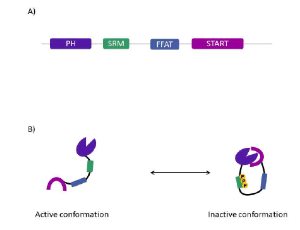
Galectin-3 (Gal-3), the only chimera-like galectin, has three structural domains: (a) the NH2 terminal domain containing serine phosphorylation, important for nuclear localization, secretion and oligomerization; (b) a sequence susceptible to metalloprotease (MMP) cleavage; and (c) a C-terminal domain containing the carbohydrate recognition domain (CRD) and an anti-death motif.
Proteomic Functional Signatures during the Priming of Human Th17 Cells
A combination of regulated responses toward pathogens and minimized autoimmune reactions is needed for the balanced function of the immune system. Amongst the immunologically important CD4+ lymphocytes, T helper 17 (Th17) cells help maintain homeostasis and provide protection against pathogens of fungal or bacterial origins
Improving Obesity and Insulin Resistance by Targeting Skeletal Muscle MKP-1
Obesity has reached a global epidemic and it predisposes to the development of insulin resistance, type 2 diabetes and related metabolic diseases. Current interventions against obesity and/or type 2 diabetes such as calorie restriction, exercise, genetic manipulations or established pharmacological treatments have not been successful for many patients with obesity and/or type 2 diabetes.
Scientific Archives is a global publisher initiated with the mission of ensuring equal opportunity for accessing science to research community all over the world. Spreading research findings with great relevance to all channels without any barrier is our goal. We want to overcome the challenges of Open Access with ensured quality and transparency.