

Loading
Journal of AIDS and HIV Treatment
ISSN: 2688-7436
Volume 3, Issue 2, p21-41
Articles published in this issue are Open Access and licensed under Creative Commons Attribution License (CC BY NC) where the readers can reuse, download, distribute the article in whole or part by mentioning proper credits to the authors.
Commentary on Lahiri et al. Weight and Body Mass Index Change After Switching to Integrase Inhibitors or Tenofovir Alafenamide Among Women Living with HIV
Among women living with HIV (WLWH), increases in body weight and body mass index (BMI, kg/m2) have been observed after switching to the antiretroviral therapies (ART) - Integrase Inhibitors (INSTI) and/or Tenofovir Alafenamide (TAF).
J AIDS HIV Treat, 2021, Volume 3, Issue 2, p21-23 | DOI: 10.33696/AIDS.3.016

Commentary – HIV-Induced Extracranial Carotid Ectasia and Stroke
HIV is a known risk factor for both ischemic and hemorrhagic stroke. Even with the widespread use of antiretroviral therapy, stroke incidence is higher in patients with HIV compared to non-HIV control subjects.
J AIDS HIV Treat, 2021, Volume 3, Issue 2, p24-26 | DOI: 10.33696/AIDS.3.017

Pre-Exposure Prophylaxis (PrEP) Safety and Tolerability in Individuals ≥ 45 Years Old
Pre-exposure prophylaxis (PrEP) is a combination of antiretroviral medications, most commonly prescribed as two co-formulated antiretrovirals, taken as a single tablet daily to significantly reduce the risk of human immunodeficiency virus (HIV) infection in individuals at high risk.
J AIDS HIV Treat, 2021, Volume 3, Issue 2, p27-30 | DOI: 10.33696/AIDS.3.018
Fostemsavir in Heavily Treatment-Experienced Individuals Living with HIV-1: Insights from the Phase 3 BRIGHTE Study
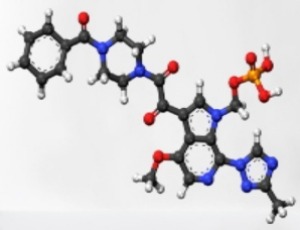
Fostemsavir (Rukobia™, ViiV Healthcare, Research Triangle Park, NC), a prodrug of the first-in-class attachment inhibitor temsavir, was developed to provide a much-needed new therapeutic option for heavily treatment-experienced (HTE) people living with HIV-1 (PLWH) who are unable to form a suppressive regimen from remaining viable antiretroviral (ARV) agents because of multidrug resistance, contraindications, prior intolerance, or other safety considerations.
J AIDS HIV Treat, 2021, Volume 3, Issue 2, p31-36 | DOI: 10.33696/AIDS.3.019
Toward Personalized Medicine for HIV/AIDS
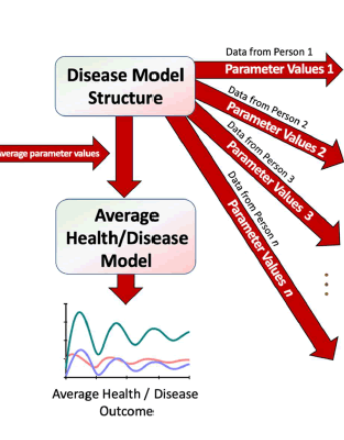
In 2019, approximately 38 million people were infected with HIV worldwide [1]. Although there is still no cure that successfully eradicates the disease, combination antiretroviral therapy (cART) has improved to a point where undetectable viral loads have become achievable and HIV carriers often live almost normal lives with very substantially increased average life expectancies compared to historical data.
J AIDS HIV Treat, 2021, Volume 3, Issue 2, p37-41 | DOI: 10.33696/AIDS.3.020

Multidisciplinary Acute Care of Central Retinal Artery Occlusion with a Stroke Paradigm: A Call to Action
Central retinal artery occlusion (CRAO) is an ophthalmologic emergency that can result in permanent vision loss. Over 25% of CRAO are associated with acute cerebral ischemia, and there are many parallels between CRAO and acute ischemic stroke. There are no definitive treatment algorithms for CRAO, however there may be opportunities to treat CRAO as an “eye stroke”. Given the similarities to acute ischemic stroke, multidisciplinary involvement and stroke algorithms should be considered and tested for this disease.
Safety of Using Rituximab Therapy During COVID-19 Pandemic
Our modern world is facing extraordinary circumstances while passing through a serious pandemic caused by the novel coronavirus (COVID-19) which may lead to multi-organ system failure & death. Bcell depletion could compromise antiviral immunity, which makes the safety of rituximab use in the COVID19 era unclear.
Safety and Efficacy of s-MOX Regimen in Patients with Colorectal Cancer Who Developed Cardiotoxicity Following Fluoropyrimidine Administration: A Case Series
Fluoropyrimidines compose the backbone of regimens to treat many common solid tumors, including gastrointestinal (GI), breast and head/neck. As we continue to use these agents routinely, recognition of rare but real toxicities, such as cardiotoxicity, has also improved. The treatment options for patients who have encountered fluoropyrimidine-induced cardiotoxicity are limited as many anti-angiogenic drugs also pose a cardiac risk.
Body Mass Index and Treatment Response in Patients with Cardiac Light-Chain Amyloidosis
Elevated body mass index (BMI) has been associated with an increased risk of cancer and has been shown to have a negative impact on survival in patients with breast, prostate, oral cancer, and leukemia. In plasma cell dyscrasias, obesity has not only been shown to be a risk factor for the development of multiple myeloma, but also has been associated with a higher rate of progression from monoclonal gammopathy of unknown significance (MGUS) to multiple myeloma, and if intervened on, has bee
Modern Rehabilitation Strategies of Post-Stroke Motor Disfunctions: Functional Electrical Stimulation and Biofeedback-Stabilometric Postural Training
More than 80% of patients after a stroke have limited daily activity due to a complex polymorphic motor deficiency of various nature and severity, which leads to postural disorders (PD) [1]. Because of paresis, develops different changes in the musculoskeletal system (MSS) such as PD, restrictions of movements in the joints, impaired
No Studies in Stroke Regarding Brain fMRI Activity and Pelvic Floor Muscle Training/Activation - Only Studies in Non-stroke Population: A Review of Neuroimaging Studies
Neurogenic lower urinary tract dysfunction (NLUTD) is highly prevalent in poststroke patients, leading to major impact on the quality of life (QoL) and healthcare resources. Pelvic floor muscle training (PFMT) has, over the past two decades, been recommended as first-line treatment for neurologically healthy patients with lower urinary tract symptoms (LUTS).
The Safety of High Dose Labetalol in the Pregnant Population
Medical management of hypertension in pregnancy is indicated for severe range blood pressures. This is diagnosed with either systolic blood pressure (SBP) ≥ 160 mm Hg and/or diastolic blood pressure (DBP) ≥110 mm Hg on two occasions at least 4 hours apart. When this diagnosis is established, fast-acting anti-hypertensive medications can be utilized for acutely severe range blood pressures.
Preparing for a More Public Health-Aware Practice of Medicine in Response to COVID-19
After one year in a pandemic, we mourn the loss of over half a million lives in the United States, and over four million worldwide, and remain concerned over the challenges facing the families of 35 million people in the United States, and 200 million worldwide, who have suffered from cases of COVID-19.
Tenofovir at the Crossroad of the Therapy and Prophylaxis of HIV and HBV Infections
Tenofovir, alias (R)-PMPA, was first divulged as an anti- HIV agent in 1993 [1]. That it would in 2012, become the first antiretroviral agent, approved by the US FDA (Food and Drug Administration) to prevent HIV infection, could have been predicted from the findings of Tsai et al.
HIV-1 Treatment Failure among Population Taking Antiretroviral Therapy in Ethiopia
For more than 35 years, the world has grappled with an AIDS epidemic that has claimed an estimated 35.0 million [28.9 million-41.5 million] lives and at its peak threatened global stability and security.
Rate and Predictors of Treatment Failure among Pediatric Population Taking Highly Active Antiretroviral Therapy in Ethiopia
The global scaling up of treatment and care for people living with Human Immunodeficiency Virus (PLHIV) has led to a 43% decline in new HIV pediatric infections since 2003, with 330,000 newly infected children in 2011.
CART Cells: A New Dawn in Cancer Immunotherapy
Over the last 10 to 15 years the treatment of patients with hematologic malignancies has seen the blossom of a large number of new agents and even new treatment strategies. Monoclonal antibodies (MoAb), TKI inhibitors, checkpoint inhibitors have been introduced in the daily clinical practice and contributed significantly to the improvement of the outcome of hematologic patients. Along with the development of these new drugs, cellular therapies, namely chimeric antigen receptor-engineered T (CART) cells, have revolutionized the therapeutic paradigm of patients with B-cell lymphoid malignancies and acute lymphoblastic leukemia (ALL).
Patient-Reported Health Outcomes among HIV-Infected Patients on Antiretroviral Therapy in a Tertiary Hospital in Dar Es Salaam, Tanzania: A Cross Sectional Study
The use of antiretroviral therapy (ART) has resulted into HIV-infected patients living longer than it was the case in the pre-ART era [1]. Surviving patients are concerned not only with the treatment ability to extend their lives but also that their quality of life is improved on the course.
Black Women's Contribution to the HIV/AIDS Fight
After thousands of years of gender conflicts, the world now stands at the beginning of the feminine era, when women will rise to their proper standing, and the entire world will experience the harmony between men and women.
Atrial Fibrillation, Atrial Cardiopathy and Cryptogenic Strokes
Cryptogenic stroke (CS) refers to the cerebral infarcts for which no definite cause is identified after adequate diagnostic evaluation. It accounts for 10-15% of all
strokes. Most of the cryptogenic strokes are embolicappearing non-lacunar infarcts based on the radiographic pattern.
Commentary: Use of BACTRAC Proteomic Database-Uromodulin Protein Expression During Ischemic Stroke
Uromodulin (UMOD) is a glycoprotein expressed by the epithelial cells of the thick ascending limb of Henle’s loop in the kidney. Research has shown that increased uromodulin expression may be associated with lower risk of cardiovascular disease in adults.
Stroke, Oxygen and Prehospital Care: A Commentary on Current Treatments and Opportunities for Improvement
Stroke is a common and very serious illness where timely evaluation and intervention can have dramatic effects on patient outcomes.
Older Versus Younger Men Who Have Sex with Men: Awareness of and Potential Barriers to the Use of Pre-Exposure Prophylaxis (PrEP) Medication to Prevent the Transmission of HIV
Men who have sex with other men (MSM) comprise the single largest group of individuals contracting HIV in the United States, accounting for more than one-half of all new HIV diagnoses.
Preventing Stroke in Sickle Cell Disease: 2021. The Role of Transcranial Doppler Ultrasound (TCD) When the Use of Transfusion is Problematic
While TCD is an indicator of risk, not a biopsy diagnosis (such as proof of cancer), at some point in the velocity spectrum the high velocity detected by TCD reaches what many believe is an unacceptable risk of stroke.
BeEAM Conditioning for Autologous Transplant in Lymphoma: A Review of the Evidence, Safety and Efficacy
The ground-breaking PARMA and CORAL trials have substantiated high dose chemotherapy (HDCT) and autologous stem cell transplantation (ASCT) as standard of care in the treatment of chemosensitive and relapsed Non-Hodgkin’s Lymphoma (NHL). Additionally, the regimen has proven effective in the treatment of relapsed and resistant Hodgkin’s Lymphoma (HL). Globally, carmustine (BCNU), etoposide, cytarabine and melphalan (BEAM) has been the most widely used conditioning regimen of the past 30 years. BEAM conditioning is generally well-tolerated and effective, with the most common toxicity being oral and gastrointestinal mucositis. Despite this, some transplant centres have transitioned from BEAM HDCT to a newer regiment referred to as BeEAM, which replaces BCNU for bendamustine. The movement appears to be primarily driven by a worldwide scarcity of BCNU, which has led to affordability issues. This dramatic rise in drug cost is not insignificant. Between 2013 and 2015, the price of BCNU increased from $200 (CAD) / 100 mg vial to $4,965.14 (CAD) / 100 mg vial.
Scientific Archives is a global publisher initiated with the mission of ensuring equal opportunity for accessing science to research community all over the world. Spreading research findings with great relevance to all channels without any barrier is our goal. We want to overcome the challenges of Open Access with ensured quality and transparency.