
Loading
Archives of Pharmacology and Therapeutics
ISSN: 2688-9609
Volume 1, Issue 1, p1-24
Articles published in this issue are Open Access and licensed under Creative Commons Attribution License (CC BY NC) where the readers can reuse, download, distribute the article in whole or part by mentioning proper credits to the authors.
Why Do Patients Not Meet the Pharmacological Treatment?
Therapeutic compliance has been defined as the degree to which the behaviour of a person corresponds with the recommendations of the health professional [1].
Arch Pharmacol Ther, 2019, Volume 1, Issue 1, p1-7 | DOI: 10.33696/Pharmacol.1.001

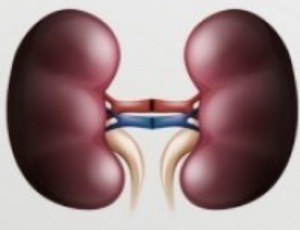
Domination of Nephrotic Problems among Diabetic Patients of Bangladesh
Nearly 80% of people with diabetes live in low and middle-income countries. It increases healthcare use and expenditure and imposes a huge economic burden on the healthcare systems. The International Diabetes Federation estimated 7.1 million people with diabetes in Bangladesh and almost an equal number with undetected diabetes. This number is estimated to double by 2025.
Arch Pharmacol Ther, 2019, Volume 1, Issue 1, p8-13 | DOI: 10.33696/Pharmacol.1.002
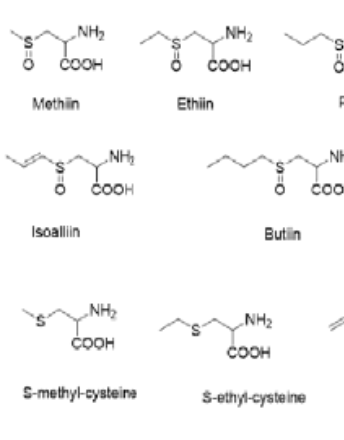
Diverse Therapeutic Applications of Onion
Onion has been a very useful vegetable for human. The organic molecules present in onion are extremely diverse and exert numerous pharmacological pathways to prevent diseases. Although, mechanism of action of the compounds present in onion has been investigated, clearly there remains enough scope to study this subject further. In general, many scientists believe that the medicinal values of onion are because of a series of oxidation processes of the molecules present in it.
Arch Pharmacol Ther, 2019, Volume 1, Issue 1, p14-16 | DOI: 10.33696/Pharmacol.1.003
Current Issues of Novel Drug Versus Thrombosis as Main Cause of Death
Appropriate medicinal drugs can save life of any patientat risk with high mortality and morbidity. All ongoingcosts and benefits are covered mainly by the health insurance, the pharmaceutical, and alternative medicine industry.
Arch Pharmacol Ther, 2019, Volume 1, Issue 1, p17-18 | DOI: 10.33696/Pharmacol.1.004
Molecular Detection of Plasmid - Mediated Quinolone Resistant Genes in Uropathogenic E. coli from Tertiary Referral Hospital in Tehran , Iran
Fluoroquinolone antibiotics are usually used for the treatment of urinary tract infections. The aim of this study was to determine the prevalence and molecular characterization of Plasmid-Mediated Quinolone Resistance (PMQR) genes among ESBL-producing Escherichia coli isolates obtained from tertiary referral hospital in Tehran, Iran.
Arch Pharmacol Ther, 2019, Volume 1, Issue 1, p19-24 | DOI: doi.org/10.33696/Pharmacol.1.005
Diverse Therapeutic Applications of Onion
Onion has been a very useful vegetable for human. The organic molecules present in onion are extremely diverse and exert numerous pharmacological pathways to prevent diseases. Although, mechanism of action of the compounds present in onion has been investigated, clearly there remains enough scope to study this subject further. In general, many scientists believe that the medicinal values of onion are because of a series of oxidation processes of the molecules present in it.
Domination of Nephrotic Problems among Diabetic Patients of Bangladesh
Nearly 80% of people with diabetes live in low and middle-income countries. It increases healthcare use and expenditure and imposes a huge economic burden on the healthcare systems. The International Diabetes Federation estimated 7.1 million people with diabetes in Bangladesh and almost an equal number with undetected diabetes. This number is estimated to double by 2025.
Gastric Cancer: A Brief Review, from Risk Factors to Treatment
Gastric cancer (GC), also known as stomach cancer, is a worldwide health problem. Anatomically, it can occur from the gastroesophageal junction to distal portions of the stomach. Considering both sexes, worldwide, it is the 5th most common neoplasm (5.7%) and the 3rd cause of mortality among malignancies, leading to approximately 782,000 deaths in 2018. The incidence varies geographically but 50% of new cases are diagnosed in developed countries. High incidence is observed in Asia, Latin America, and in the central and eastern parts of Europe. There are several ways to classify GC, but the most used is Lauren’s Classification, which proposes two main histological groups: intestinal and diffuse. This classification is important because there are marked etiological, pathological, and epidemiological differences between the subgroups, guiding the clinical approach for each patient.
Botulinum Toxin: The Promising Future of Prostate Cancer Treatment
Peripheral nerves have been shown to modulate the growth and spread of tumours in the prostate, feeding both cancer cells and the stroma in the tumour environment. Several in vitro and in vivo studies have reported the effect of botulinum toxin (BT) on tumour tissue in the prostate. BT in humans has been observed to cause increased apoptosis of cancer cells, with morphological changes characterized by extensive degenerative and atrophic areas of cancer, reduced cytoplasm, and pyknotic nuclei, compared to the characteristics of cancer tissues injected with saline solution.
Progression of Autoantibodies Anti-Gad and Anti-IA2 in Type 1A Diabetics Aged 5 to 21 Years in Cote d’Ivoire
Type 1A diabetes is an autoimmune disease, the final consequence of a slow and gradual process of ß-cell destruction of pancreatic islet Langerhans cells leading to ketoacidosis in the absence of treatment. This destruction of the β cells, responsible for the production of insulin, begins with the initiation of the autoimmune reaction triggered by certain environmental factors and, after several years of evolution, leads to the clinical signs of the disease when the mass of ß cells
NOXA the BCL-2 Family Member behind the Scenes in Cancer Treatment
NOXA is a critical mediator of stress responses to anticancer drugs. This BH3-only protein sets the apoptotic threshold in cancer cells in response to chemotherapies by counteracting the prosurvival BCL-2 family protein MCL-1. A complex and dynamic network relying on both highly controlled gene transcription activity and protein degradation by proteasome, regulates cellular NOXA levels from low in steady state to rapidly enhanced upon stressful condition.
Quantifying Respiratory Airborne Particle Dispersion Control Through Improvised Reusable Masks: The Physics of Non-Pharmaceutical Interventions for Reducing SARS-CoV-2 (COVID-19) Airborne Transmission
In light of the current pandemic from rapid transmission of the severe acute respiratory syndrome coronavirus 2 (SARS-CoV-2 or COVID-19) and significant morbidity, there has been inconsistent medical guidance given to the public regarding the wearing of non-medical improvised fabric masks or face coverings to reduce the transmission of COVID-19.
Protein Therapeutics from Monolayer to Spheroids- A Model for Preclinical Investigations
The arrival of recombinant insulin in the pharmaceutical market paved a new direction for the clinical potential of proteins. Thus, the pharmaceutical industry underwent a paradigm shift towards proteins as therapeutic moieties. A number of recombinant protein drugs are available and many more are in pipeline to target major diseases, such as cancer, viral diseases, cardiovascular diseases and endocrine disease.
Naltrexone as a Novel Therapeutic for Diabetic Corneal Complications
Diabetes is a widespread autoimmune disorder that affects nearly 10% of the adult population in the United States. In addition to the primary disease, there are numerous complications associated with inflammation including abnormalities of the heart, visual system, and peripheral nervous system. More than half of the individuals with diabetes will have one or more ocular related complications such as dry eye disease (DED), keratopathy, or retinopathy.
Statins and the Diabetic Kidney
Diabetes mellitus is one of the most common chronic diseases that affect people of all ages and races worldwide.
The Diabetic Shoulder – A Literature Review
The shoulder complex is composed of three bony structures: the clavicle, scapula, and humerus, which are connected to form three synovial (glenohumeral, acromioclavicular, and sternoclavicular) and two functional (scapulothoracic and subacromial) joints.
Insulin Signal Transduction is Impaired in the Type 2 Diabetic Retina
With increasing rates of obesity, rates of type 2 diabetes and diabetic complications are expected to rise exponentially over the next few decades (American Diabetic Association). A key feature of type 2 diabetes is a resistance to insulin. Insulin signaling is key to a number of physiological processes, including glucose metabolism, cell growth, general gene expression, and apoptosis.
Resveratrol Treatment Reduces Neuromotor Impairment and Hearing Loss in a Mouse Model of Diabetic Neuropathy and Nerve Injury
In the peripheral nervous system (PNS), Schwann cells (SCs) are responsible for myelin production, which contributes to axonal protection and allows for efficient action potential transmission. Unfortunately, acquired and hereditary demyelinating diseases of the PNS are numerous and affect an increasing number of people.
Risks and Prevalence of Diabetic Retinopathy in Children and Young People with Type 1 Diabetes Mellitus
Type 1 diabetes (T1D) is associated with microvascular and macrovascular complications.Duration of diabetes, poor glycaemic control, high blood pressure and proteinuria are reported risk factors contributing to the development of diabetes related complications.
Relevance of Neuropilin 1 and Neuropilin 2 Targeting for Cancer Treatment
Neuropilins (NRPs) are a class of transmembrane glycoprotein co-receptors including Neuropilin 1 (NRP1) and Neuropilin 2 (NRP2). They are the co-receptors of different families of receptors, thus they are involved in many hallmarks of cancer.
The Impact of the COVID-19 Pandemic Lockdown Measures on Diabetic Retinopathy Services in the East Kent Area of the United Kingdom - A Special Focus on the Pregnant Diabetic
The COVID-19 pandemic has shaped activities across almost all human endeavours. Changes are still ongoing to accommodate all the challenges it poses. The healthcare sector, working closely with governments of nations and regulatory agencies, has helped to control the impact of this highly contagious virus.
Anti-diabetic Potential of Aqueous Extract of Moringa oleifera, Ocimum gratissimum and Vernonia amygdalina in Alloxan-Induced Diabetic Rats
Diabetes mellitus (DM) is characterized by absolute or relative deficiencies in insulin secretion and insulin action associated with chronic hyperglycemia and disturbances of carbohydrate, lipid and protein metabolism. It results from either defect in insulin secretion by the pancreas or inability of the cells to utilize the insulin produced.
Improved Wound Closure Rates and Mechanical Properties Resembling Native Skin in Murine Diabetic Wounds Treated with a Tropoelastin and Collagen Wound Healing Device
Chronic, non-healing, or slow to heal wounds present a significant and growing health problem in the United States, with an estimated 6.5 million people affected, at an annual cost of US $20 billion, with the highest risk groups represented by the elderly and the increasing prevalence of lifestyle diseases such as diabetes and obesity.
Biomarkers of Pembrolizumab Efficacy in First-Line Advanced PD-L1 ≥ 50% Non-Small Cell Lung Cancer Treatment
Lung cancer is the leading cause of cancer death worldwide. In 2020, a total of 19 million cancer patients were diagnosed, of which 11.4% were lung cancer, causing 18% of all cancer deaths. In 2020 in Spain, 29,638 cases were estimated.
Scalable 3D Screen Printing Technology in Pharmaceutical Manufacturing - High Degree of Freedom in Terms of Drug Choice
Additive manufacturing has the potential to revolutionize the pharmaceutical industry, enabling the production of customized drugs for the mass market. However, concerns over scalability, low mechanical resistance, low printing resolution and limited material choices have so far hindered the practical application of current 3D printing (3DP) technologies. Although conceptually similar, each uses its own method to deposit and cure the material.
Scientific Archives is a global publisher initiated with the mission of ensuring equal opportunity for accessing science to research community all over the world. Spreading research findings with great relevance to all channels without any barrier is our goal. We want to overcome the challenges of Open Access with ensured quality and transparency.