

Loading
Archives of Medical Case Reports
ISSN: 2691-7971
Volume 1, Issue 1, p1-18
Articles published in this issue are Open Access and licensed under Creative Commons Attribution License (CC BY NC) where the readers can reuse, download, distribute the article in whole or part by mentioning proper credits to the authors.
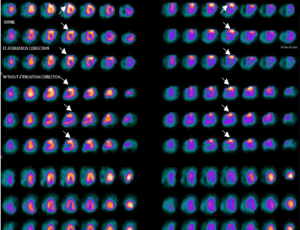
Thymoma as an Incidental Finding in a Myocardial Perfusion Study with 99mTc-MIBI
Myocardial perfusion imaging is a nuclear medicine imaging technique that allows to make an approach to the coronary condition in patients with moderate probability to have coronary artery disease. 99mTc MIBI myocardial perfusion is one of the most common techniques in nuclear medicine clinical practice. Extracardiac accumulation of the tracer is relatively common, and can be seen in certain tumors with high metabolic rate, due to the radiotracer’s mitochondrial preference.
Arch Med Case Rep, 2019, Volume 1, Issue 1, p1-4 | DOI: 10.33696/casereports.1.001
Learning from Pitfall and Error: A Usefulness of Case Report
Case report is an important kind of article in medicine. The case report can be in several forms. A report might be on the new finding, new technique, rare condition or lesson learnt. The case report on pitfall and error is interesting. It is useful for giving lesson learnt to the reader. It should promote that the practitioner should report cases on lesson leant from pitfall and error that can be useful to the others in medical society.
Arch Med Case Rep, 2019, Volume 1, Issue 1, p5-5 | DOI: 10.33696/casereports.1.002

The Global Rise of Chronic Diseases: Why Broaden the Paradigm to Include Tick-borne Illness and Environmental Toxin Exposure?
The incidence of chronic diseases is rapidly increasing worldwide. It has been calculated that, in 2001, chronic diseases contributed to approximately 46% of the global burden of disease and 60% of the total reported deaths with that number expected to increase to 57% by 2020, when chronic diseases will account for almost 75% of all deaths worldwide.
Arch Med Case Rep, 2019, Volume 1, Issue 1, p7-13 | DOI: 10.33696/casereports.1.003

Moving Arbovirology in a Changing World
Arbovirology, Arbovirus, Arthropod-borne virus, these are informal name that refers to all virus types infecting “blood sucker” arthropod vector, capable to multiply the virus and to transmit it to vertebrates through their bite. These virus-vectors are essentially mosquitoes (male only), ticks and sandflies feeding mainly on mammals and sometime on other vertebrates (e.g. birds, reptiles).
Arch Med Case Rep, 2019, Volume 1, Issue 1, p14-15 | DOI: 10.33696/casereports.1.004

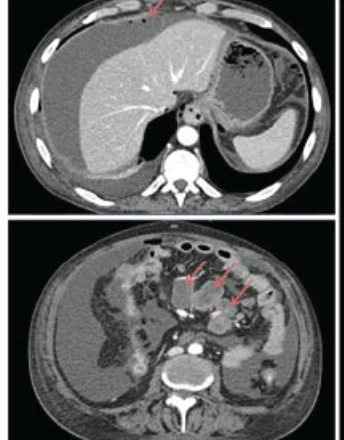
Acute Abdomen due to Perforation of Small Bowel Malignant Melanoma Metastasis
Metastatic malignant melanoma of the small bowel is a rare and aggressive disease, without specific symptoms. Due to that, most cases are diagnosed in advanced stages, presenting as an acute abdomen in situations of bowel obstruct ion or perforation. We present the case of a 56-year-old male who was admitted for generalized edema and developed an acute abdomen secondary to perforation of small bowel malignant melanoma metastasis, with lymph node invasion.
Arch Med Case Rep, 2019, Volume 1, Issue 1, p16-18 | DOI: 10.33696/casereports.1.005
Impact of Cisplatin Dosing Regimens on Mammary Tumor Growth in an Animal Model
In a recent paper, we introduced a variant of the classical Simeoni tumor growth model, and illustrated its value in assessing tumor growth in a reproducible mouse model for mammary tumors. Our modification consisted of incorporating delay differential equations in the mathematical formulation of the Simeoni model, to represent the delay in drug action often observed under chemotherapeutic or immunotherapeutic regimens.
The Effect of Glucocorticoids on Angiogenesis in the Treatment of Solid Tumors
Glucocorticoids (GCs) are defined by their role in maintaining glucose homeostasis and natural GCs are a class of corticosteroids secreted by the adrenal cortex. Cortisol is the most important natural GC in humans. Cellular cortisol levels are regulated by the tissue-specific metabolic enzymes 11β-hydroxysteroid dehydrogenase 1 and 2 (11β-HSD 1 and 2); 11β-HSD 1 converts inactive cortisone to active cortisol, while 11β-HSD 2 has the opposite function.
Learning from Pitfall and Error: A Usefulness of Case Report
Case report is an important kind of article in medicine. The case report can be in several forms. A report might be on the new finding, new technique, rare condition or lesson learnt. The case report on pitfall and error is interesting. It is useful for giving lesson learnt to the reader. It should promote that the practitioner should report cases on lesson leant from pitfall and error that can be useful to the others in medical society.
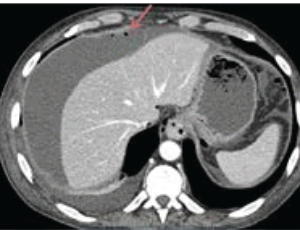
Acute Abdomen due to Perforation of Small Bowel Malignant Melanoma Metastasis
Metastatic malignant melanoma of the small bowel is a rare and aggressive disease, without specific symptoms. Due to that, most cases are diagnosed in advanced stages, presenting as an acute abdomen in situations of bowel obstruct ion or perforation. We present the case of a 56-year-old male who was admitted for generalized edema and developed an acute abdomen secondary to perforation of small bowel malignant melanoma metastasis, with lymph node invasion.
Can Filtration Technology Advance Culture of Circulating Tumor Cells towards Precision Medicine?
Expansion of Circulating Tumor Cells (CTC), the metastatic seeds of cancer in the blood stream, holds great potential in clinical application, especially towards precision medicine. Given the relatively rare nature of CTCs, their culture remains to be a significant challenge. When developing technologies for CTC culture, there are key elements that need careful consideration, including the speed of culture, compatibility with downstream analysis, and the implementation of the technology into established clinical daily routines. Herein, we briefly discuss the implications of our recent report of an ultrathin filter for the capture and culture of circulating colon cancer cells.
Influence of Clinical Risk Factors on Outcomes in Men with Stage I Non-Seminomatous Germ Cell Tumor Undergoing Robot-Assisted Retroperitoneal Lymph Node Dissection
We recently published our multi-institutional experience performing primary robot-assisted retroperitoneal lymph node dissection (RA-RPLND) for men with non-seminomatous germ cell tumor (NSGCT). We concluded that primary RA-RPLND for NSGCT can be performed safely with low complication rates, acceptable early oncologic outcomes, and lower overall theoretical chemotherapy burden. In this commentary, we explore outcomes in clinical stage I patients stratified by clinical risk factors (RF) and estimate reductions in chemotherapy burden.
Leucocyte-Tumor Cell Hybridization Can Initiate Cancer Metastasis
According to estimates from the International Agency for Research on Cancer, by the year 2030 there will be 22 million new cancer cases and 13 million deaths per year. The main reason for death from cancer is not the initial tumor but it’s metastasis to distant parts of the body, yet this process has remained poorly understood for quite some time.
Cancer Nanomedicine: Strategies to Enhance Tumor Delivery and Immunotherapy
Cancer nanomedicine was originally developed for more efficient delivery of chemotherapeutic agents into tumor, and has been extensively employed as a therapeutic for cancer treatment owing to its unique features in drug delivery, diagnosis and imaging, as well as the therapeutic nature of some nanomaterials themselves.
Diabetes Mellitus and Dengue
Diabetes mellitus is a common metabolic disorder that present with abnormal glucose metabolism. This metabolic disease is prevalent in many countries, worldwide. It is no doubt there might be a chance that diabetes mellitus might co-occur with other medical problems.
Exercise Benefits on Alzheimer’s Disease
Alzheimer’s disease (AD) is an age-related neurodegenerative disorder [1] and the most common cause of human dementia, accounting for approximately 60%?80% of cases. It is estimated that more than 30 million AD patients, and the number likely to increase to over 100 million by 2050 because of the increase of the elderly population [2].
Methylation Status of Tumor Suppressor Genes in Circulating DNA of PDAC Patients: Facts and Hopes
Pancreatic cancer is one of the most lethal solid tumor malignancies and it is projected to become a leading cause of cancer related deaths in coming years. It is often diagnosed at an advanced stage owing to the lack of specific symptoms and rapid invasion.
Hepatocellular Carcinoma: Animal Models Available to Characterize Tumor Immunology and Optimize Treatment Development
Hepatocellular carcinoma (HCC) is the second cause of cancer-related death worldwide with almost 1 million new cases per year. At the diagnosis, 70% of patients have only access to a palliative treatment with few therapeutic options mostly represented by tyrosine kinase inhibitors such as sorafenib and lenvatinib in first line; regorafenib and cabozantinib in second line.
Management of Appendiceal Neuroendocrine Tumors: Beyond Tumor Size
Appendiceal neuroendocrine tumors (ANETs) less than 2 cm were thought to have no metastatic potential; however, recent evidence including our previous report shows increasing occurrences of regional and metastatic disease in smaller ANETs. We provided an update of patients with ANETs at our institution. A retrospective review was performed in a follow-up series of patients with ANET who presented to our tertiary referral center from 2019-2020. Demographics, tumor characteristics, treatment, and clinical outcomes were evaluated.
Prognosis of Patients with Advanced Liver Disease and Positive Stress Echocardiograms: Impact of Coronary Artery Disease, Non-alcoholic Steatohepatitis, and Beta-blocker Therapy
Cardiac Complications are the leading cause of mortality after orthotopic liver transplantation. Advanced liver disease patients with positive DSE are at increased risk. CAD, beta blocker use and NASH are independently associated with cardiac events.
Susceptibility of Malignant Brain Tumors to 5-aminolaevulinic Acid Mediated Photodynamic Therapy: Direct Phototoxicity and Immunological Effects
Recently we published the article ‘Accumulation of protoporphyrin IX in medulloblastoma cell lines and sensitivity to subsequent photodynamic treatment’. In this commentary, we review protoporphyrin IX accumulation after application of 5-aminolaevulinic acid and the resulting sensitivity of medulloblastoma cells to photodynamic therapy. We compare the results to glioblastoma cells, including glioblastoma stem-like cells, and address the contribution of the transporter adenosine triphosphate binding cassette subfamily G member 2 (ABCG2) as well as the enzyme ferrochelatase to the process.
A New Player in an Old Story: FBXO16 Prevents Breast Cancer Tumorigenesis through Disrupting Cellular Function of Nuclear β-Catenin
β-Catenin is the central modulator of the canonical Wnt signaling pathway. Upon Wnt on state, β-Catenin is translocated to the nucleus and function as a transcription coactivator for several oncogenes. In Wnt off state, β-catenin is mostly localized in the cytoplasm and sequestered by the destruction complex, the negative regulator of β-catenin expression [2,3].
Small-molecule Interferon Inducers for Cancer Immunotherapy Targeting Non-T cell-inflamed Tumors
Since the discovery of escaping mechanism of tumor from negative immune regulation, the paradigm of drug discovery for anti-cancer agents has been dramatically shifted to cancer immunotherapy (e.g., dendritic cell therapy, CAR-T cell therapy, or antibody therapy) by stimulating patient’s immune system to treat cancer.
SHP2 Inhibition as a Promising Anti-cancer Therapy: Function in Tumor Cell Signaling and Immune Modulation
The protein tyrosine phosphatase SHP2, encoded by PTPN11, functions as a critical signal transduction regulator and interacts with key signaling molecules in both RAS/ERK and PD-1/PD-L1/ BTLA (B- and T-lymphocyte attenuator) pathways. Targeting SHP2 pharmacologically, therefore, may be a promising therapeutic strategy for many RAS-driven cancers.
Lack of Prognostic Significance of Pretreatment Total Metabolic Tumor Volume on Event-free Survival at 24 Months in Diffuse Large B-cell Lymphoma
Diffuse large B-cell lymphoma (DLBCL) is a heterogeneous disease with variable outcomes. The majority of patients benefit from chemo-immunotherapy; however, 30 to 40% relapse after first-line treatment, and 10% are refractory to first-line treatment. This variability in outcome has led to the identification of prognostic factors to stratify patients based on their risk of relapse. The five-factor international prognostic index (IPI) was formulated for such risk stratification more than 20 years ago, based on clinical information obtained from patients with aggressive lymphomas treated with cyclophosphamide, doxorubicin, vincristine, and prednisone (CHOP)-like chemotherapy. The addition of rituximab to CHOP chemotherapy led to improved outcomes, diminishing the discriminatory capacity of IPI amongst risk groups. Efforts to enhance the prognostic model by adding or defining new factors have only led to minor improvements without the ability to identify patients at risk of an inferior outcome.
Emerging Roles of Pseudogene RNAs in Antitumor and Antiviral Immunity
Tumor immunity and immunotherapy have become increasingly important in treatment strategies for a variety of malignancies including advanced triple negative breast cancer.
Scientific Archives is a global publisher initiated with the mission of ensuring equal opportunity for accessing science to research community all over the world. Spreading research findings with great relevance to all channels without any barrier is our goal. We want to overcome the challenges of Open Access with ensured quality and transparency.