

Abstract
Background: Advances in urologic management have improved survival among individuals with Spina Bifida (SB), making successful transition from pediatric to adult care increasingly important. However, transition remains challenging due to complex medical needs, functional limitations, and healthcare system barriers. We sought to compare patient, caregiver, and provider perspectives on successful transition and identify priorities for improvement.
Methods: We conducted a mixed-methods survey study of patients with SB undergoing transition to adult urologic care, their caregivers, and healthcare providers. Inclusion of patient with SB age ≥11 years who were in the process of transitioning to an adult urologist, as well as their caregivers. Quantitative analyses compared perceptions of access to adult providers, psychosocial support needs, and presence of a formal transition process. Open-ended responses underwent deductive thematic analysis with iterative coding and consensus-based theme development.
Results: Responses were obtained from 24 patients, 23 caregivers, and 45 providers. Patients and caregivers reported rates of access to identified adult providers similar to providers (62% vs. 55%, p=0.55) and similar interest in psychosocial support (59% vs. 53%, p=0.55). However, patients and caregivers when compared to providers were more likely to report the existence of a formal transition process within their healthcare system (75% vs. 30%, p<0.001). Qualitative analysis identified seven primary domains. Patients and caregivers most frequently emphasized readiness, education, and autonomy, while providers prioritized workforce expertise and healthcare system capacity. Strong care coordination and navigation support emerged as a shared priority across all groups. Only 54% of patients reported adequate discussion of sexual health and fertility before transition.
Conclusions: Patients, caregivers, and providers define successful transition differently. Patients and caregivers emphasize independence and readiness for self-management, whereas providers focus on access to experienced adult clinicians and healthcare infrastructure. Care coordination represents a key area of alignment and may serve as a foundation for improved transition programs. Future transition models should incorporate both patient-centered and system-level outcomes, with structured care plans and coordinated support to bridge gaps between stakeholder priorities.
Keywords
Pediatric Spina Bifida, Pediatric urology, Spina Bifida, Transitional care, Transitional urology
Introduction
Spina Bifida (SB) is a congenital neural tube defect, which leads to a spectrum of clinical manifestations depending on lesion level and severity [1]. In the United States, approximately 1 in 2,758 infants are born with SB [2]. Individuals with SB require lifelong, multidisciplinary care, with particular emphasis on the genitourinary system. Historically, renal failure was a major contributor to early mortality; however, advances in urologic management have significantly improved survival, with the majority of individuals now living into adulthood [3].
As survival has improved, the transition from pediatric to adult care has become an increasingly important component of long-term management. However, this transition remains challenging for individuals with SB. Adolescents and young adults must navigate complex dynamic medical needs, including neurogenic bowel and bladder, multiple prior surgeries, and sexual and reproductive health concerns, while also managing cognitive and executive functioning limitations that can impair self-management [4,5]. These challenges are further compounded by social determinants of health, including low health literacy, racial and ethnic disparities, rural residence, and limited access to adult providers with experience caring for patients with congenital condition [2,6–8]. Consequently, many patients experience fragmented care and difficulty establishing consistent follow-up after transition, despite existing guidelines and models supporting structured transition processes [9–12]. Additionally, In complex patients with lifelong surgical needs, differing interest holder priorities may significantly influence transition outcomes.
Despite a growing body of literature on transitional care in SB, important limitations persist that hinder a comprehensive understanding of how to optimize this process. Much of the existing work consists of retrospective evaluations of transition programs, often focusing on narrow outcomes such as clinic attendance or follow-up rates [12–14]. Studies examining patient and provider perspectives have provided valuable insights, but these perspectives are typically explored separately, limiting understanding of alignment or discordance across patients, caregivers, and healthcare providers [15–17]. As a result, there remains an incomplete understanding of what these groups perceive as most important, or missing, in the transition process.
In this study, we used a mixed-methods approach involving critical groups of interest, patients, caregivers, and providers to compare their priorities and perspectives for SB care transitions. We initially defined transitional success and identified areas of improvement in the process in interest holders with the overall objective of identifying areas for intervention in future transitional models. This work establishes foundational frameworks for approaching patient centered and system level aspects of transition care.
Methods
Our study was reviewed by our institution’s Institutional Review Board and considered IRB-exempt.
Surveys were distributed to patients and caregivers of patients with spina bifida, as well as healthcare professionals who care for patients with spina bifida. We included patients with spina bifida age ≥11 years being cared for by a pediatric urologist at our institution who were in the process of transitioning to an adult urologist, as well as their caregivers. We excluded patients with cognitive deficits who were unable to complete the surveys independently, as well as patients who declined to participate. The study had a waiver of informed consent. We distributed these surveys in our institution’s pediatric urology and transitional urology clinics. For healthcare professionals, we included physicians, advanced practice providers, and nurses who care for patients with spina bifida in the state of Wisconsin; we distributed surveys via institutional email listservs, as well as at our state urologic society meeting.
Surveys were developed by the investigators to identify and compare stakeholder priorities regarding the transition from pediatric to adult urologic care. Survey content was organized into predefined domains informed by published health care transition frameworks and literature on pediatric-to-adult transition, including transition infrastructure, transition preparation and readiness, self-management, care coordination, multidisciplinary care, patient autonomy, provider education, health system barriers, and sexual and reproductive health. Parallel patient, caregiver, and provider surveys were developed with questions tailored to each stakeholder group while assessing comparable constructs. To identify priorities not captured by the structured questions, each survey concluded with open-ended questions asking respondents to describe current gaps in the transition process and suggest opportunities for improvement. Survey items were developed following a review of published transition frameworks and literature describing barriers to successful transition among adolescents and young adults with chronic medical conditions, with additional items created to address issues specific to congenital urologic disease. Emphasis was placed on brevity to maximize participation (Table 1).
|
Key informants |
Questions asked |
|
Patients |
1) What would have been helpful/do you wish you had in your transition from pediatric to Adult urology? 2) Anything else that you would like to add regarding your transition to adult urology? |
|
Caregivers |
1) What would be most helpful to your family/would you like to see access to in order to improve the Transition? 2) Anything else that you would like to comment about the Transition from pediatric to adult urologic care? |
|
Healthcare providers |
1) Please comment on current gaps or problems in the transition process for spina Bifida patients in Wisconsin. 2) Please comment on suggestions for improvement for the transition process for spina Bifida patients in Wisconsin. |
Quantitative statistical analysis
The independent variable was stakeholder group (patients/caregivers versus healthcare providers). Three prespecified survey constructs were compared between groups: (1) access to an identified adult provider, (2) interest in improved psychosocial support, and (3) perception that a formal transition process existed within the respondent's healthcare system. Operational definitions for each construct, including the survey questions used to derive comparable measures across stakeholder groups, are provided in Table 2. Descriptive statistics were used to summarize responses. Comparisons between stakeholder groups were performed using Pearson's chi-square or Fisher's exact test, as appropriate. All tests were two-tailed with significance set at p<0. 05. Analyses were performed using SPSS™, version 29.
|
|
Patients |
Caregivers |
Providers |
|
Access to identified adult providers |
Indicated "agree" or "strongly agree" in response to the question" I understand what the plan is for follow up in adult urology and who to go to with questions." |
Indicated "agree" or "strongly agree" in response to the question "My child's medical providers have discussed who will care for them after the transition to adulthood and how we can contact them." |
Checked "yes" in response to the question "Is there an identified adult provider to whom pediatric providers can transition care for spina bifida patients in your center/network?" |
|
Interest in improved psychosocial support
|
Indicated "yes" when asked if social work support, psychology support, or peer support would aid in the transition process |
Indicated "yes" when asked if social work support, psychology support, or peer support would aid in the transition process |
Checked "improved ancillary support services (nursing, social work, health psychology) in response to the question "What do you think is missing or could be improved with the transition process?" |
|
Felt there was a formal transition processing in their health system |
Indicated "agree" or "strongly agree" in response to the question "My medical providers and I agreed on clear health goals and how to achieve them regarding managing my urologic condition, after I transition to adult care." |
Indicated, "agree" or "strongly agree" in response to the question "My child's urologic provider has discussed their condition, clear health goals and how to achieve them as they transition into adulthood." |
Checked "yes" in response to the question "Do you have a formal transition process in place for spina bifida patients from pediatric to adult services in your center/network?" |
Qualitative analysis
We also performed qualitative analysis on two open-ended questions in the survey. Deductive thematic analysis was used to create an operational codebook in Nvivo™ 14. We then analyzed responses and generated themes. A second cycle of coding was performed using an iterative, consensus-based process in which initial codes were systematically reviewed, grouped, and refined into broader thematic domains.
Discrepancies in coding were resolved through discussion among study team members, and the codebook was updated accordingly.
A third analytic step was undertaken to synthesize themes across key informants and interpret relationships between domains. This higher-order analysis focused on identifying shared and divergent patterns and organizing themes along conceptual dimensions. Code frequency was used to reflect thematic salience within key informant groups rather than absolute importance, recognizing that less frequently cited themes may still represent critical aspects of the transition experience.
Results
A total of 24 patients, 23 caregivers, and 45 providers responded to the surveys. Demographics for patients are shown in Table 3. 21/24 (88%) of patients and 20/23 (87%) of caregivers felt comfortable with bladder management, and 18/24 (75%) of patients and 21/23 (91%) of caregivers felt comfortable with bowel management. Only 13/24 (54%) of patients felt that sexual health and fertility had been adequately discussed prior to transitioning to adult care.
| Patient demographics | |
|
Median patient age in years (range) |
21 (15-43) |
|
Patient gender |
10 male (42%) |
|
Long-term living situation |
14 With full time caregiver (58%) |
Demographics for caregivers are shown in Table 4. Of the 26 providers caring for pediatric patients, 23 (89%) reported caring for patients with spina bifida beyond the age range that they would care for a typical pediatric patient. Most providers (32/44, 73%) do not use validated questionnaires to determine transition readiness for patients.
| Provider demographics | |
|
Provider specialty |
23 Urology (51%) 2 Neurosurgery (5%) 6 PM&R (13%) 1 Ortho (2%) 3 Nursing (7%) 10 Not answered (22%) |
|
Practice type |
27 Academic (60%) 10 Non-academic (22%) 8 Not answered (18%) |
|
Patient type |
13 Pediatric (29%) 13 Adult (29%) 12 Both (27%) 7 Not answered (15%) |
In our quantitative analysis, we found that patients/caregivers and providers had similar rates of access to identified adult providers (62% vs. 55%, p=0.55) and had similar interest in improved psychosocial support in the transition process (59% vs. 53%, p=0.55). However, despite similar reported access, perceptions of the transition process differed across groups, suggesting differences in expectations. Patients and caregivers were more likely to report that there was a formal process within their health system (75% vs. 30%, p<0.001). This data is illustrated in Table 5.
|
|
Patients and Caregivers |
Providers |
p value |
|
Access to identified adult providers |
29/47 (62%) |
21/38 (55%) |
p=0.55 |
|
Interest in improved psychosocial support |
28/47 (59%) |
24/45 (53%) |
p=0.55 |
|
Felt there was a formal transition process in their health system |
35/47 (75%) |
11/37 (30%) |
p<0.001 |
Qualitative analysis revealed seven primary domains, each comprising multiple secondary codes reflecting patient, caregiver, and provider perspectives (Table 6). Our tertiary coding identified that codes could be conceptually categorized into patient self-management themes and health system themes, and are displayed in Figure 1.
|
Secondary codes |
Patient/Caregiver Quotes |
Provider Quotes |
|
Provider expertise and work force strength |
"Competent adult urologists who have experience with patients with Spina Bifida. Adult urologists that know how to perform bladder augmentation surgery. Adult urologists are not prepared to handle patients with Spina Bifida." "A group of doctors, surgeons, providers committed to helping this vulnerable patient population needs being met and ongoing care as appropriate." |
"Identification of a network of providers across the state indifferent specialties open/comfortable to seeing and addressing needs of adults/young adults with spina bifida" "Having a dedicated mid-level provider that questions could be directed to from the community would be helpful as it would reduce burden for the pediatric urologist" |
|
Strong care coordination & navigation supports |
"The care coordination seems to be abit disconnected. When I call I get different call takers who relay messages, but I do not get timely answers. It would be nice to have one person coordinating all the tests when requested." "Just to meet/know the doctors that we will need to work with, not left to waiting until something happens." |
"In general, the ease of a transition is dictated by the pediatric urologist: preparing the patient and providing either a direct call or a detailed note with the key relevant details." "There is also a bit of protection we provide to pediatric patients (ensuring that appointments are made/following up on patients that have missed appointments) that does not occur on the adult side." |
|
Effective communication and family partnership |
"including family perspectives when devising care plans" "I am concerned for his adult transition in the ways of us as parents not being able to easily support him due to privacy laws." |
"Executive function of children and young adults with spina bifida often necessitates parental involvement, so approaches and clinics need to account for this" “Continue open dialogue and creating relationships” |
|
Patient Readiness, Education, and Autonomy |
"18 seems like a rather arbitrary age for declaring a child an adult and some services have cut off abruptly; we appreciate a more thoughtful and drawn out timeline that is more individualized to our child's needs and available resources." "Good educational materials in the packet to refresh outdated materials for self care. Include trusted resources on the internet that aligns the cares we receive." |
"Direct our history to the teens in clinic (teaching them about SB like we had their parents when they were young) and to give them time alone to talk with the medical providers." "Education for the patients and families about how often they may need to see their specialist in the adult world." |
|
Psychosocial & Environmental Supports |
"welcoming and friendly environment; cheery and light tone from staff; emphasis on social connection to patient as well as medical" “A social worker that could help me with the transition”
|
“We need better division of vocational rehabilitation help” "Provide lunch to families and arrange for teens to come on specific clinic days so we could have a separate lunch for them with a staff member to discuss teen concerns." |
|
Access to Necessary Services |
"Available adult primary care providers well versed in my child's medical conditions and able to assist with interactions between multiple specialties" “Bowel Programs seem to be a gray area”
|
"Insurance issues -med schools don't want these patients. Need better coverage." "There is a lot of overlap in specialties... In the adult world, these visits happen separated by time and space, and it isn't always clear who is doing what." |
|
Transition Tools & Infrastructure |
"Updated names and numbers for who to call during the day and after hours." "a specific summary of next steps. Relaying details from the appt to my spouse is hard for me to remember all the details." |
"Patients often do not arrive with a complete surgical and medical history which makes assuming care difficult. Operative notes are critical and can be undiscoverable." "A medical records passport that is prospectively collected and digitally travels with the patient would be outstanding." |
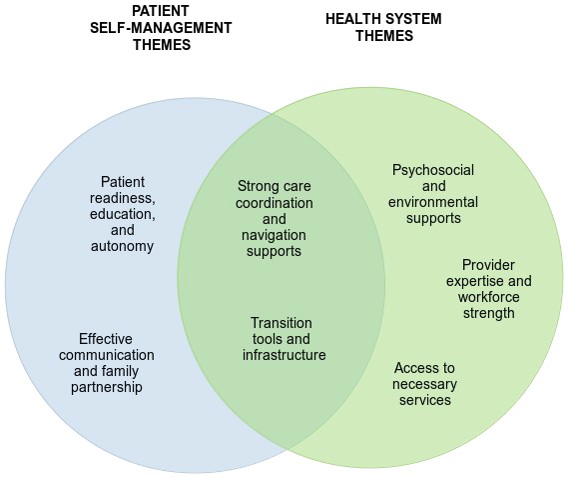
Figure 1. Results of third-round coding: codes could be conceptually categorized into patient self-management themes and health system themes.
Frequency of cited codes per group is illustrated in Table 7. Patients and caregivers prioritized readiness and autonomy, whereas providers emphasized system capacity and expertise.” These findings reflect fundamentally different objectives across interest holders, rather than differences in engagement.
“Strong care coordination and navigation support” was the second most cited domain by both groups, highlighting an area of overlap between patient-level goals and system-level processes.
|
|
Patients/ Caregivers |
Provider |
|
Provider expertise and workforce strength |
6 |
22 |
|
Strong care coordination & navigation supports |
12 |
11 |
|
Effective communication and family partnership |
4 |
2 |
|
Patient Readiness, Education, and Autonomy |
26 |
4 |
|
Psychosocial & Environmental Supports |
8 |
2 |
|
Access to Necessary Services |
4 |
3 |
|
Transition Tools & Infrastructure |
2 |
4 |
Discussion
Despite broad agreement regarding the importance of transition to adult care, our findings reveal a clear misalignment in interest holder priorities regarding what constitutes successful transition. Patients and caregivers emphasized readiness, education, and autonomy, equating success with independence and preparedness for adult care. In contrast, providers emphasized workforce expertise and training, defining success as the ability of healthcare systems to accommodate medically complex adults. Despite these differing priorities, all groups identified care coordination and navigation support as essential components of transition. This misalignment may help explain why transition remains challenging despite widespread recognition of its importance. Patients and caregivers are primarily concerned with developing the skills and confidence needed for adult self-management, whereas providers focus on workforce shortages, fragmented systems, and limited adult expertise. Consequently, transition failures may arise not from a lack of effort, but from a disconnect between patient-level readiness and system-level preparedness.
This distinction is likely not unique to spina bifida. Many individuals with congenital urologic conditions experience multiple surgeries, lifelong specialty care needs, and complex transitions between pediatric and adult healthcare systems. In these populations, successful transition requires both patient readiness and sufficient healthcare system capacity, yet existing transition models often emphasize one domain more heavily than the other. Patients with greater surgical burden may be particularly vulnerable to this disconnect because they often require ongoing subspecialty care while simultaneously navigating increasing expectations for independence. Consistent with prior literature, patients and caregivers in our study prioritized development of self-efficacy skills that have been associated with improved adherence, communication, and long-term outcomes in chronic disease populations [18–20]. In contrast, providers focused on structural barriers that have previously been identified as contributors to delayed or unsuccessful transitions, including limited adult provider expertise and fragmented systems [21,22].
Our findings have several implications for the design of transition programs for patients with spina bifida and other congenital lifelong conditions. Although relatively few participants explicitly identified transition tools as a priority, the shared emphasis on care coordination, along with gaps in communication around sexual health and fertility, supports the use of written care plans in routine clinical care. From the patient and caregiver perspective, written care plans can enhance education, promote autonomy and improve readiness for adult care [12,23]. From the provider perspective, they provide a concise summary of complex medical and surgical histories and facilitate communication across care settings. Prior studies have demonstrated that structured transition interventions can improve self-management skills and disease knowledge in chronic conditions [23,24].
The gap in sexual health and fertility counseling further illustrates the consequences of these misaligned priorities. In our cohort, only 54% of participants reported that sexual health and fertility had been adequately discussed prior to transition. Although sexual and reproductive health are fundamental components of adult-oriented care and important markers of independence and quality of life for many patients, providers caring for medically complex individuals may prioritize disease management and healthcare navigation. Thus, inadequate counseling may reflect a mismatch between provider focus on medical stability and patient expectations of comprehensive adult care. Written care plans may help facilitate more consistent discussion of these topics, which remain under-addressed in many transition programs [25].
Effective implementation of written care plans requires strong care coordination and navigation support. Care coordination was the most frequently identified priority across all interest holder groups and is a guideline-recommended component of multidisciplinary spina bifida care [26]. Effective care coordination should be developmentally tailored and emphasize patient education, self-management, and independence, and has been associated with improved access to services, better integration across care systems, reduced duplication and cost, and improved health outcomes and quality of life [26]. Care coordinators may facilitate the consistent use of written care plans by helping create, update, and distribute plans while supporting patients through adult care entry points.
Our findings also highlight the need for both system-level improvements and more comprehensive measures of transition success. Patients emphasized readiness, education, and autonomy, supporting earlier and more systematic assessment of transition readiness during adolescence, consistent with recommendations for chronic disease populations [23]. Providers emphasized workforce expertise and access to trained adult clinicians, highlighting the need for investment in adult provider education and healthcare infrastructure [27]. These differing priorities may also explain why transition outcomes remain difficult to measure. Existing studies frequently focus on transfer completion or healthcare utilization, including emergency department visits and hospitalizations, whereas patients and caregivers emphasized outcomes such as autonomy, readiness, and care coordination [12−14]. Although tools such as the Transition Readiness Assessment Questionnaire adapted for spina bifida (TRAQ-SB) have been developed to assess readiness and self-management [29], these measures are not consistently integrated with system-level outcomes. Future frameworks should incorporate both patient-centered outcomes, such as autonomy, readiness, and quality of life, and system-level outcomes, such as access to adult providers, care coordination and healthcare utilization. This need is particularly important given the lack of standardized and validated transition outcome measures currently available in the field [29].
While our study identified important gaps and priorities for improving transitional care among individuals with spina bifida, several limitations warrant consideration. This study was conducted within a single region, limiting generalizability and potentially underrepresenting perspectives from other geographic areas. Modest patient response numbers may have limited our ability to capture the full range of experiences, and reliance on survey responses introduces the potential for response and recall bias.
Additionally, we did not collect clinical variables such as lesion level, cognitive status, or ambulatory function, which are important determinants of independence and care complexity. The absence of these variables limits our ability to evaluate how perceptions of successful transition may differ across levels of disease severity and functional status. Finally, as is common in transition research, our surveys were not formally validated.
However, these limitations are balanced by the mixed-methods design and inclusion of perspectives from patients, caregivers, and healthcare providers.
Future work should focus on developing standardized measures of transition success that reflect both patient-centered and system-level outcomes, followed by evaluation of how written care plans and structured transition programs influence these measures. Given the complexity of this population, longitudinal, multi-institutional collaboration will be essential to develop scalable and generalized models of care.
Conclusion
Successful transition requires more than the transfer of care, it requires alignment between patient expectations and healthcare system capabilities. Patients and caregivers define success through independence, readiness, and autonomy, whereas providers define success through system capacity and access to appropriate adult care. Written care plans and coordinated transition programs may help bridge these misaligned priorities by supporting both patient preparation and provider communication. As individuals with spina bifida continue to live longer, future transition models should be evaluated using outcomes that reflect both patient-centered and system-level definitions of success.
References
2. Centers for Disease Control and Prevention. Suicide data and statistics [Internet]. Atlanta (GA): Centers for Disease Control and Prevention; 2023 [cited 2026 Mar 1]. Available from: https://www.cdc.gov/suicide/data/index.html
3. Oakeshott P, Hunt GM, Poulton A, Reid F. Expectation of life and unexpected death in open spina bifida: a 40-year complete, non-selective, longitudinal cohort study. Dev Med Child Neurol. 2010 Aug;52(8):749–53.
4. Rosenbaum P, Stewart D. Perspectives on transitions: rethinking services for children and youth with developmental disabilities. Arch Phys Med Rehabil. 2007 Aug;88(8):1080–2.
5. Alabi NB, Thibadeau J, Wiener JS, Conklin MJ, Dias MS, Sawin KJ, et al. Surgeries and Health Outcomes Among Patients With Spina Bifida. Pediatrics. 2018 Sep;142(3):e20173730.
6. Rague JT, Kim S, Hirsch JA, Meyer T, Rosoklija I, Larson JE, et al. Assessment of Health Literacy and Self-reported Readiness for Transition to Adult Care Among Adolescents and Young Adults With Spina Bifida. JAMA Netw Open. 2021 Sep 1;4(9):e2127034.
7. Li X, Zhu J, Wang Y, Mu D, Dai L, Zhou G, et al. Geographic and urban-rural disparities in the total prevalence of neural tube defects and their subtypes during 2006-2008 in China: a study using the hospital-based birth defects surveillance system. BMC Public Health. 2013 Feb 22;13:161.
8. Lai LY, Lopez AD, Copp HL, Baradaran N, Breyer BN, Elaine Allen I, et al. Access and Utilization of Health Care by Adults with Spina Bifida. Urology. 2023 Nov;181:174–81.
9. Spina Bifida Association. Guidelines for the care of people with spina bifida [Internet]. Arlington (VA): Spina Bifida Association; [cited 2026 Apr 1]. Available from: https://www.spinabifidaassociation.org/for-healthcare-professionals/guidelines/
10. Weitz M, Heeringa S, Neuhaus TJ, Fehr T, Laube GF. Standardized multilevel transition program: Does it affect renal transplant outcome? Pediatr Transplant. 2015 Nov;19(7):691–7.
11. Prestidge C, Romann A, Djurdjev O, Matsuda-Abedini M. Utility and cost of a renal transplant transition clinic. Pediatr Nephrol. 2012 Feb;27(2):295–302.
12. Szymanski KM, Cain MP, Hardacker TJ, Misseri R. How successful is the transition to adult urology care in spina bifida? A single center 7-year experience. J Pediatr Urol. 2017 Feb;13(1):40.e1–40.
13. Dönmez Mİ, Selvi I, Tantekin A, Oktar T, Ziylan O. Outcomes of a newly established transitional urology outpatient clinic: a real-world experience. Int Urol Nephrol. 2023 Dec;55(12):3021–31.
14. Timberlake MD, Corbett ST, Costabile RA, Herndon CD. Identification of adolescent and adult patients receiving pediatric urologic care and establishment of a dedicated transition clinic. J Pediatr Urol. 2015 Apr;11(2):62.e1–6.
15. Loftus CJ, Ahn J, Rice-Townsend S, Avansino J, Schmidt J, Hagedorn JC, et al. Experiences and attitudes of young adults with congenital bowel and bladder conditions. J Pediatr Urol. 2021 Oct;17(5):701.e1–8.
16. Kelly MS, Thibadeau J, Struwe S, Ramen L, Ouyang L, Routh J. Evaluation of spina bifida transitional care practices in the United States. J Pediatr Rehabil Med. 2017 Dec 11;10(3–4):275–81.
17. Zillioux JM, Jackson JN, Herndon CDA, Corbett ST, Kern NG. Caring for urologic transition patients: Current practice patterns and opinions. J Pediatr Urol. 2018 Jun;14(3):242.e1–5.
18. Náfrádi L, Nakamoto K, Schulz PJ. Is patient empowerment the key to promote adherence? A systematic review of the relationship between self-efficacy, health locus of control and medication adherence. PLoS One. 2017 Oct 17;12(10):e0186458.
19. Lee YY, Lin JL. Do patient autonomy preferences matter? Linking patient-centered care to patient-physician relationships and health outcomes. Soc Sci Med. 2010 Nov;71(10):1811–8.
20. Eigeland JA, Moffitt RL, Sheeran N, Loxton N, Jones L. Modelling the Associations Between the Physician-Patient Relationship and Patient Outcomes via Self-Determination Theory Variables in Chronic Disease Management. Int J Behav Med. 2025 Jun 27.
21. Loftus CJ, Wood HM. Congenital causes of neurogenic bladder and the transition to adult care. Transl Androl Urol. 2016 Feb;5(1):39–50.
22. Gray WN, Schaefer MR, Resmini-Rawlinson A, Wagoner ST. Barriers to Transition From Pediatric to Adult Care: A Systematic Review. J Pediatr Psychol. 2018 Jun 1;43(5):488–502.
23. Zhou H, Roberts P, Dhaliwal S, Della P. Transitioning adolescent and young adults with chronic disease and/or disabilities from paediatric to adult care services - an integrative review. J Clin Nurs. 2016 Nov;25(21–22):3113–30.
24. Cadario F, Prodam F, Bellone S, Trada M, Binotti M, Trada M, et al. Transition process of patients with type 1 diabetes (T1DM) from paediatric to the adult health care service: a hospital-based approach. Clin Endocrinol (Oxf). 2009 Sep;71(3):346–50.
25. Igerc I, Schrems B. Sexual well-being needs of patients with chronic illness expressed in health care: A scoping review. J Clin Nurs. 2023 Oct;32(19–20):6832–48.
26. Van Speybroeck A, Beierwaltes P, Hopson B, McKee S, Raman L, Rao R, et al. Care coordination guidelines for the care of people with spina bifida. J Pediatr Rehabil Med. 2020;13(4):499–511.
27. Binks JA, Barden WS, Burke TA, Young NL. What do we really know about the transition to adult-centered health care? A focus on cerebral palsy and spina bifida. Arch Phys Med Rehabil. 2007 Aug;88(8):1064–73.
28. Harris KT, Beltran G, Mosley B, Sevick CJ, Pyrzanowski J, Wood D, et al. Healthcare transition readiness in an adolescent and young adult urologic population: The ADHERENT study. J Pediatr Urol. 2025 Dec 18:105699.
29. Dicianno BE, Beierwaltes P, Dosa N, Raman L, Chelliah J, Struwe S, et al. Scientific methodology of the development of the Guidelines for the Care of People with Spina Bifida: An initiative of the Spina Bifida Association. Disabil Health J. 2020 Apr;13(2):100816.