

Introduction
The clinicopathological syndrome of cancer of unknown primary site (CUP) is metastatic cancer without an identifiable anatomical primary site after a thorough evaluation and has been a diagnostic and therapeutic puzzle for many decades frustrating physicians and patients [1–8]. Postmortem examinations have found very small clinically undetectable primary tumors in about 75% of cases from more than 20 different sites [1,7]; even at autopsy very small primaries which are not visible or palpable are difficult to find and would require hundreds of blind tissue sections from every organ to detect. Other than these important observations further understanding and management of these patients has been very slow to develop until the last decade [1–6,8]. The CUP syndrome is comprised of many different cancers sharing a common clinical presentation. The biology at play to explain the genesis of clinically occult primary tumors capable of producing metastasis which become overt is unknown but likely will be eventually explained by unique immunologic, genomic and/or epigenetic phenomena.
The CUP syndrome represents a substantial clinical burden. The 2026 estimated incidence in the United States is 67,800 patients [9] and by comparison is greater than the estimated incidence of chronic lymphocytic leukemia (22,760), extensive stage small-cell lung cancer (27,529), multiple myeloma (36,000) and several other de novo metastatic cancers. CUP makes up about 2–3% of all metastatic cancers worldwide.
Metastatic cancers have been traditionally treated according to the primary tumor type but for the majority of CUP patients this was not possible. Most patients were often considered to have a single cancer type with a unified clinical behavior despite the autopsy data, and this dogma has persisted for many years influencing the diagnostic and therapeutic approach. The inability to identify the cancer type led to a single broad spectrum nonspecific empiric chemotherapy for most patients [1–3,6] and for the last four decades has been the standard conventional therapy [1,2,6] but with dismal results. In recent years therapies for many specific advanced cancers have remarkably improved following the advent of immunotherapy- immune checkpoint blockers (ICBs)- and molecularly targeted therapies. However, most CUP patients have not shared in these improvements. Modern immunohistochemistry (IHC) and molecular profiling technology including both gene expression profiling (GEP) and comprehensive molecular profiling (CMP)/next generation sequencing have recently led to dramatic insights and represents a revolutionary strategic change in CUP diagnosis and classification which has transformed the management of many patients.
Progress in Immunohistochemistry and Molecular Diagnostics
Histopathologic examination and IHC staining of biopsy specimens have been standard practice for many years but has improved with the introduction of multiple organ associated stains validated in many cancer types. The value of panels of stains has been duly appreciated as has their capacity to determine the tissue of origin in some CUP patients. However, there are limitations of IHC staining including the number of stains that are feasible with small biopsies, subjective interpretation, false positive and negative staining, and variable experience of pathologists. About a third of patients may have their presumptive primary tumors diagnosed with reasonable certainty [1,2].
Molecular profiling on biopsies and or blood is an essential component of the initial evaluation and should include both GEP to determine the presumptive tissue of origin and CMP to identify actionable biomarkers. When interpreted in the context of clinicopathologic features molecular profiling represents an inflection point for the diagnosis of the presumptive tissues of origin in 80-90% of patients with adequate biopsy specimens and the identification of actionable biomarkers necessary for both optimal site-specific and agnostic therapies [1,2,6,10–12]. GEP and CMP liquid biopsy platforms make universal testing in the real world more practical regardless of the adequacy of the tissue biopsy. Tumor heterogeneity and clonal evolution may cause discordant tissue of origin diagnoses in heavily pretreated patients. One of the primary goals is to obtain molecular profiling at the time of diagnosis before any therapy is administered. Newer assays have been designed and continue to emerge to detect both the tissue of origin and biomarkers [12–16].
Molecular profiling has unmasked the hidden heterogeneity of CUP. GEP along with IHC staining has often revealed multiple specific cancer types allowing for organ based precision therapy rather than the decades long standard of nonspecific empiric chemotherapy. The diagnosis of the presumptive primary tumor represents a critical determination in directing therapy for the cancer the patient harbors [1–3,5,6,15]. CMP testing is equally important to identify actionable biomarkers since targeted therapies and ICBs are indicated for many advanced cancers. Others with specific actionable biomarkers may benefit from agnostic targeted therapies regardless of their tissue of origin.
Interpretation of the findings from GEP and CMP testing requires an appreciation of the limitations of the various assays [1,2]. Genomic testing is rapidly emerging to include many different assays, and not all have been validated for accuracy in CUP. GEP platforms have various sensitivities and recognize only tumors in their developmental databases/library. There are at least 50 cancers, perhaps more within the CUP syndrome. Most rare cancers are not in the assay databases and in these cases an indeterminate or erroneous diagnosis will be rendered. The molecular profiles of some of the cancers in the databases are very similar leading to overlapping occasional incorrect diagnoses which may include breast/salivary gland, ovary/endometrium and pancreaticobiliary carcinomas. These overlapping diagnoses are uncommon but consideration of all the clinical features, obtaining additional relatively tissue specific IHC staining of suspected primaries and other ancillary testing such as albumin ISH in possible cholangiocarcinoma may resolve this dilemma. Even with these diagnostic limitations the accuracy of some GEP assays approaches 90% [1,2,10–13].
CMP platforms are also variable and comparative sensitivity studies have rarely been done. Some assays can detect rare actionable biomarkers, but others fall short. Molecular assays are improving and include blood testing or liquid biopsies with circulating tumor (ct) DNA/cell free (cf) DNA analysis with sensitivity similar to tissue testing [14–16]. Other assays are touted to have the ability to identify both the primary tumor type and biomarkers. Despite the improving array of assays molecular characterization has yet to reveal a unique nonrandom alteration in CUP or a common specific therapeutic target. The multiple mutations and actionable alterations seen [17] are consistent with the many specific cancers within the syndrome.
The ultimate usefulness of many newer molecular platforms requires additional study, but several have proven value in known cancer types with biomarker identification correlating with patient outcome following targeted therapies and ICBs. Validation in patients with CUP, particularly tissue of origin diagnoses, is required to document accuracy and the number of different recognized cancers to provide confidence in their clinical utility. The capacity of CMP to identify actionable biomarkers in many different known cancers has often been the basis of the remarkably improved molecular targeted therapies and ICBs either administered alone or combined with chemotherapy. Actionable biomarkers are often seen in many different neoplastic diseases providing the rational for agnostic targeted therapy now applicable and beneficial for many advanced cancers [18]. The stakes are much higher now for CUP patients and without molecular profiling many patients will not benefit from the more effective therapies since their identity and actionable biomarkers will remain hidden. Substantial clinicopathologic and molecular evidence [1–3,6] support the many specific metastatic cancers within the CUP syndrome.
TNM Staging for Selected CUP Patients
No staging system has been available for most CUP patients since an anatomical primary tumor site was not detectable. The 2018 American Joint Committee on Cancer (AJCC) TNM staging system manual [19] briefly addressed unknown primary cancer. A primary tumor category T0 (no evidence of primary tumor) was listed as a possibility for establishing a specific occult primary tumor for all solid tumors if clinicopathological, molecular and other data highly suggests a primary tumor site; the AJCC anticipated that additional knowledge in the future may provide the ability to assign a specific cancer type in CUP. However, only four examples of rare CUP subgroups were discussed [19] including T0 occult breast carcinoma (women with axillary node carcinoma consistent with breast carcinoma), T0 squamous carcinomas in neck nodes (human papillomavirus mediated oropharyngeal carcinoma and Epstein-Bar virus mediated nasopharyngeal carcinoma), and T0 cutaneous melanoma. These patients may be designated T0 specific primary tumors. Other patients within the CUP umbrella have been accepted to have presumed primary sites based upon characteristic clinicopathologic findings including women with serous peritoneal carcinomatosis (ovarian, fallopian tube or primary peritoneal carcinoma), young men with mediastinal or retroperitoneal poorly differentiated carcinoma (extragonadal germ cell tumors), men with sclerotic bone metastasis and elevated PSA (prostate carcinoma) and neuroendocrine tumors. All of these patients including the T0 tumors listed by AJCC represent about 20% of all CUP patients and have been historically defined as “favorable CUP” [20] since their prognosis following site-specific therapy is similar to their cognate cancers with identifiable anatomical primaries and superior to most other CUP patients [1,2]. The 80% in whom a presumptive occult primary tumor could not be confidently assigned were defined historically as “unfavorable CUP” [1,21] leaving them without a site-specific therapy option.
There may be some reluctance by pathologists and regulatory agencies to assigning staging to a cancer without a histologically confirmed anatomical site of origin. Despite some contention 20% of all CUP patients historically defined as favorable CUP have been accepted as harboring a specific occult primary and treated accordingly for many years [1,2,4,5,20]. Precedent has already been set by the AJCC to designate selected CUP patients with characteristic clinicopathological features as specific T0 primaries [19] as previously discussed. In addition, pathological and molecular testing of a biopsy specimen from a CUP metastasis which closely or identically matches a metastasis from a known primary cancer represents very compelling evidence of a specific cancer type eligible for a T0 specific primary tumor designation [1,2]. The integration of all data in predicting a primary tumor site is not 100% accurate but consider the duck test; if it looks like a duck, swims like it duck and quacks like a duck than it is very likely is a duck [1]. Clinical correlations and randomized studies support this concept in CUP GEP diagnoses [1–3,6].
Many other CUP patients within the unfavorable group may now also have their presumptive primaries defined with reasonable certainty by combining clinicopathological evaluation and molecular profiling, making them eligible for TNM staging (T0 primary tumor type) as a specific metastatic cancer type [2,19]. Select GEP platforms are 80–90% accurate in predicting the primary tumor when there is adequate tumor to test [10,11]. Methylation liquid biopsy platforms also appears accurate [5,14–16] and circumvent inadequate biopsy specimens. Accepting this degree of accuracy gives confidence to these predictions for TNM staging. Assigning a TNM primary tumor T0 designation as a specific cancer type has critical therapeutic implications for site-specific therapies as opposed to empiric chemotherapy. Patients with appropriate T0 assignments are best defined as presumptive primary CUP subsets [1–3,6]- (CUP/Lung, CUP/prostate, CUP/breast, CUP/colorectal, CUP/renal, etc). These subset definitions will aid oncologists in managing their patients. The CUP label may be deleted pending additional studies comparing CUP subsets to their counterparts with metastasis from known primary sites receiving similar site-specific therapies.
Patient Management
Patients with suspected CUP require a thorough evaluation to exclude a detectable anatomical primary site. The assessment includes clinicopathological findings (history, review of systems, physical examination, medical imaging, selected serum tumor markers), histology, immunohistochemistry and GEP and CMP [1–3,6]. Medical imaging and endoscopic improvements are responsible for a decreased incidence in CUP by finding small primaries and developmental advanced imaging segmentation/feature extraction methods may enhance the detection of very small primaries [22].
Molecular targeted therapies and ICBs have remarkably changed and improved the therapeutic landscape for several known metastatic cancers. Many of these same cancers occasionally present as CUP including those from the breast, lung, kidney, urothelial tract, GE junction/stomach, liver, biliary tract, and many others amenable to the improved targeted therapies and ICBs. The presumptive primary sites and actionable biomarkers need to be unraveled by appropriate testing including modern IHC and molecular profiling. These results will often lead to precision-based therapies like that administered to their analogous counterparts with known metastatic cancers. The management of CUP patients is at a major inflexion point. A presumptive primary tumor diagnosis along with identification of actionable biomarkers has become critical factors in the care and management of patients [1,3,6]. Previous empiric chemotherapy studies considered CUP a single cancer type and the results have been very disappointing with a median survival of only about 9 months [21,23]. These results reflect the limitations of a single nonspecific therapy for many diverse cancers. Several retrospective and prospective nonrandomized studies highly suggested that GEP guided site-specific therapy was superior to empiric chemotherapy [23–29]. However, two randomized controlled prospective studies (phase II and phase III) conducted several years ago [30,31] failed to find an improved outcome from GEP directed site-specific therapies versus empiric chemotherapy. These studies contained many patients in the GEP guided experimental arms who received site-specific therapy very similar to empiric chemotherapy in the control arms. These two studies accrued patients several years before the emergence of molecular targeted therapies and ICBs.
Contemporary prospective randomized controlled studies [32,33] as well as a systematic review and meta-analysis [34] of multiple prospective randomized and nonrandomized studies has documented the essential role of both GEP-directed site-specific therapies [32] and CMP-directed agnostic therapies [33]. The Fudan CUP- 001 randomized controlled phase III study [32] included 181 unfavorable CUP patients with good performance status, previously untreated with adequate biopsy specimens. GEP guided site-specific therapies were clinically beneficial and significantly improved survival compared to empiric chemotherapy. The large CUPSICO phase II randomized study [33] included 438 non-squamous unfavorable CUP patients with good performance status. There was no effort to determine the presumptive tissue of origin. CMP was obtained on all patients before therapy on tissue biopsy or blood. Patients received empiric chemotherapy for 3 cycles and those who had their disease controlled and with actionable biomarkers were randomly assigned 3:1 to receive 1 of 11 possible agnostic targeted therapies or to continue empiric chemotherapy. The tumor-agnostic therapies included targeted therapy and ICB; the outcome was significantly improved with tumor-agnostic therapies versus empiric chemotherapy.
The outcome for patients has been significantly improved by the utilization of molecular profiling at the time of the diagnosis to guide therapy compared to the conventional standard of empiric chemotherapy for all patients. These recent positive results represent a paradigm shift in patient management [1,3,6]. The question remains whether to base initial therapy on a presumptive primary site or consider agnostic targeted therapies. GEP directed therapies and CMP directed agnostic therapies are not competitive but when used together provide a pathway for optimal precision treatment based on the results of molecular profiling. Patients who have their presumptive primary sites diagnosed with reasonable certainty should receive site specific therapies which can also include molecular targeted therapies and ICBs depending on the specific cancer and biomarkers identified.
The positive impact of ICBs for selected patients has been diluted by the many different cancers within the CUP syndrome [6]. Prospective studies of ICBs with rare exceptions have included unselected generic CUP with no attempt to determine the tissue of origin; reported response rates have ranged from 15-25% with a small number having durable responses. These results reflect the heterogeneous population of different cancers, some responsive to ICBs (lung, renal, melanoma, others) and some nonresponsive (colorectal, pancreas, others). In addition, there are patients with immune favorable biomarkers (TMB-H, MSI-H, PD-L1 high percentage IHC stain, etc.) who respond well to ICBs. Selecting patients via molecular profiling with favorable immune biomarkers and those with presumptive primary tumors responsive to ICBs would likely produce major benefits. Therefore, in the small studies the modest clinical response rates seen in all patients are not a true measure of benefit for biomarker selected patients.
The increased use of ICBs requires knowledge of immune mediated toxicities and management of these problems as well as an understanding of the challenges in predicting adverse events and immune responses [35].
CMP of generic CUP has identified actionable biomarkers MSI-H in 1–3%, TMB-H in 10–15%, PD-L1 staining 1–49% and PD-L1 staining >50% [6]. These findings indicate the critical necessity of molecular profiling and potential of ICBs. When considering the largest prospective randomized CUPSICO study [33] which included ICB immediately after empiric chemotherapy in those without progressive tumor the subset of patients with favorable biomarkers (MSI-H, TMB-H, PD-L1 staining >50%) was superior to the continuation of empiric chemotherapy alone. The specific types of cancer within CUP that could benefit substantially from ICBs continue to grow in the last several years as more data becomes evident of the effectiveness in various cancers.
A retrospective evaluation of 24,426 CUP patients published in 2020 [36] tested the GEP 92-gene assay on biopsy specimens from 2010–2016 to define a distinct ICBs eligible subset of patients. In 9,350 cases (38%) a diagnosis was made of presumptive primary tumors expected to respond well to ICBs. A total of 3,709 patients (33%) had a molecular diagnosis of non-small-cell lung cancer. Other diagnoses included GE junction/gastric carcinoma, head neck squamous carcinoma, urothelial carcinoma, renal cell carcinoma, melanoma, and others emphasizing the potential value of ICBs once a primary tumor is revealed.
When a thorough evaluation of CUP including clinicopathologic features and molecular profiling highly support specific primary tumors for which ICBs have an established role including lung, kidney, head neck, esophagus, stomach, liver, bile duct, skin (melanoma, Merkel cell), anus, uterus, others. ICBs should be considered as a component of initial therapy. Therefore, recognition of the tissue of origin is critical in planning a site-specific ICB regimen for appropriate patients. Many of these patients have the potential of durable responses.
Molecular targeted therapies are also now routinely administered for several known metastatic cancers with actionable molecular biomarkers and are associated with significant benefit and long-term responses particularly for lung adenocarcinoma but also breast carcinoma, urothelial carcinoma, melanoma, colorectal carcinoma, cholangiocarcinoma, and others who harbor actionable molecular biomarkers. The most common mutated genes in generic CUP [17] include TP53 (47.4%), KRAS (18.3%), PIK3CA (9.5%), RB1(8%), CDKN2A(7.6%), APC(7.6%), NOTCH1 (7.5%), ATM (6.8%), ROS1 (6.2%), STK11 (5.5%, PTEN (5.0%), SMAD4 (5.0%), BRAF (4.9% ERBB4 (4.9%), ALK (3.8%) KDR (3.8%), CTNNB1 (3.6%), EGFR (3.2%), ERBB2 (3.2%), PDGFRA (3.2%), and FBXW7 (3.1%). These mutations almost certainly are a composite of all the different cancer types within the CUP syndrome and highlight the potential of molecular targeted therapy once a presumptive diagnosis of the primary tumor is identified.
A retrospective analysis [37] in 3,168 CUP patients testing GEP (92-gene assay) along with CMP emphasized how this combined molecular profiling approach may allow patients with identified presumptive primary tumors to potentially benefit from molecular targeted therapies including KRAS G12C (lung adenocarcinoma subset), IDH1/2 (cholangiocarcinoma subset), BRCA1/2 (breast, ovary carcinomas subsets) and BRAF V600E (melanoma, lung carcinoma, colorectal adenocarcinoma, thyroid carcinoma subsets). The same reasoning applies to many other actionable biomarkers.
The emerging paradigm of agnostic targeted therapy has taken full advantage of the molecular revolution in oncology. Both molecular targeted therapies and ICBs have gained acceptance across a spectrum of neoplastic diseases based on their identified biomarkers regardless of their tissue of origin [18] The CUPSICO study results [33] are a prominent example of the clinical benefit of agnostic therapies in CUP.
For patients without a presumptive primary tumor diagnosis but with actionable biomarkers agnostic targeted therapies and ICBs become a major option as initial therapy. Beneficial agnostic targeted therapies are rapidly expanding [6,18] which now includes targeting molecular biomarkers (NTRK fusions, RET fusion, BRAF V600E mutations, HER2 amplification and mutations) and ICBs for those with favorable biomarkers, (microsatellite instability-MSI-High-MSI-H/dMMR, high tumor mutation burden-TMB high and a high percentage PDL-1 positive IHC stain).
Despite a complete evaluation about 10–15% of patients do not have their tumor of origin or actionable biomarkers diagnosed. They may be candidates for novel clinical trials including biomarker discovery with newer molecular technology or empiric chemotherapy.
The rapidly emerging and complexity of molecular medicine and precision-based therapies has heralded the establishment of molecular tumor boards which can review patient and genomic data to provide oncologists expert opinions regarding management of their most perplexing patients [3,6].
A step-by-step suggested algorithm for CUP patient management at the time diagnosis is presented in Figure 1. Patient management represents a complex decision landscape, and many other factors need to be considered including biopsy adequacy, patient performance status, and urgency of initiating therapy related to the delay in obtaining molecular testing results.
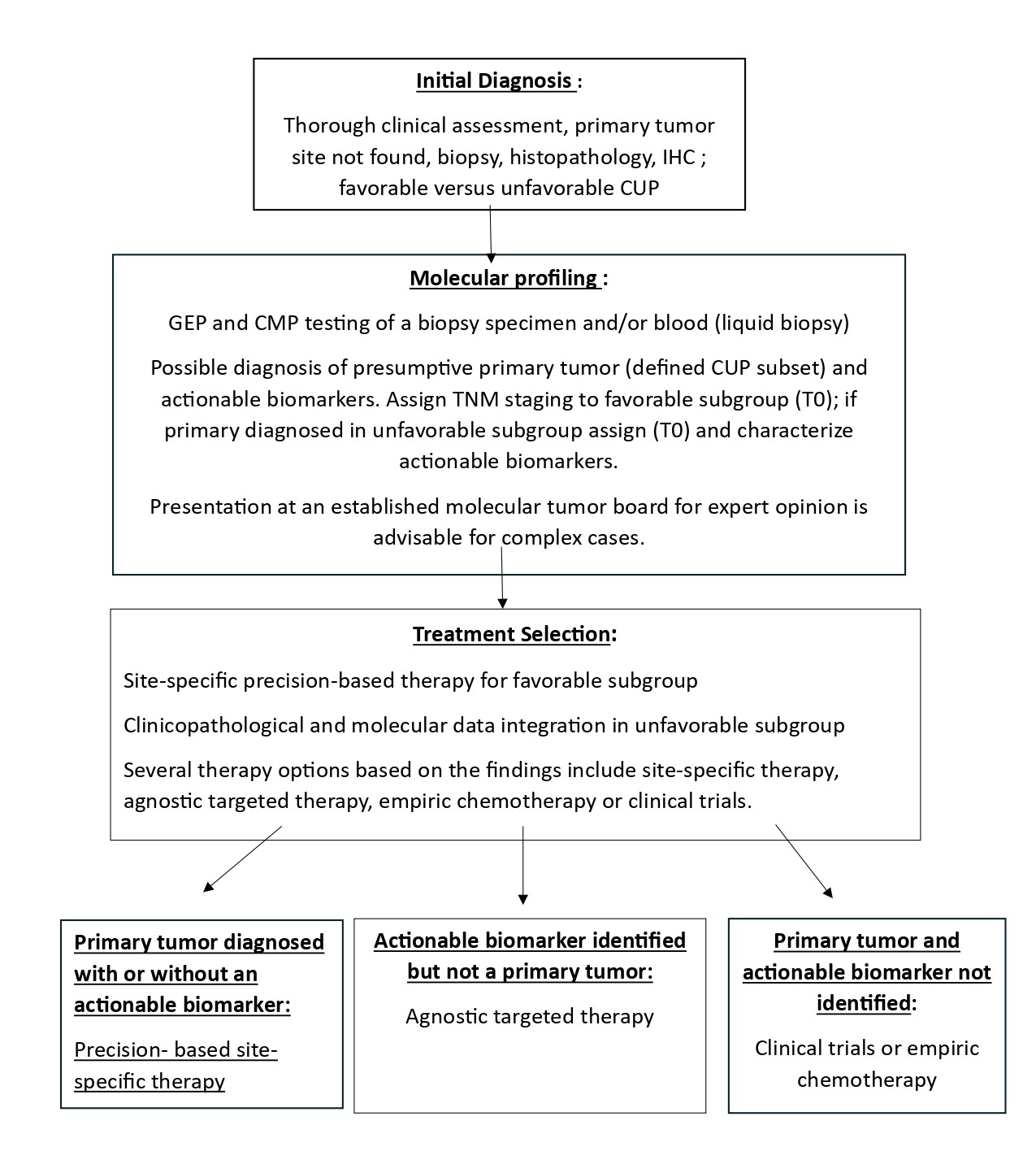
Figure 1. Step-by step method for patient management.
Implementation Challenges
In an ideal world integrating molecular profiling for CUP management seems logical and indicated but may be a bridge too far for rapid global implementation. Despite the obvious value of molecular profiling obstacles limit widespread adaptation. Relinquishing past habits, which are often stronger than reason and accepting the new paradigm in CUP management are a critical first step. Coordination of several disciplines including pathologists, molecular platforms, and oncologists would more rapidly assimilate molecular testing required for optimal therapies. Reimbursement issues and reluctance by various regulatory agencies in some countries to approve testing and therapies related to limited health care finances or perceived lack of evidence remains a barrier. Ironically molecular testing and subsequent therapies have been more widely approved for several specific cancers, most notably lung [38] and breast [39] carcinomas. A pragmatic approach to try to improve reimbursement is to redefine CUP patients with a diagnosed primary tumor as no longer CUP but lung, colorectal, renal, and other carcinomas if all data support these primaries. Documentation in patients’ medical records of all data supporting a primary tumor diagnosis, coding as a specific cancer, and explaining the rationale of this approach may facilitate approval by regulatory agencies and third-party payers. The clinical benefit of agnostic targeted therapies needs more emphasis. These limitations and disparities need to be further addressed to provide patients with the optimal therapies available.
Perspectives
The CUP syndrome encompasses many different cancer types with clinical behavior corresponding to the site of origin rather than a unified cancer type. CUP patients share the same clinical presentation, but clinicopathological, molecular and clinical trial data reveal that CUP is not a single cancer type and this notion should be discarded [3]. Standard clinicopathologic evaluation along with molecular profiling is now in the forefront for determining a presumptive primary tumor and actionable biomarkers. The identification of actionable biomarkers and a presumptive primary tumor in the same patient enhances and complements the options of site-specific therapy depending on the cancer type. For example in a GEP diagnosed CUP colorectal subset with MSI-H ICB is indicated as first-line therapy rather than chemotherapy but in the case of a diagnosis of a CUP germ cell tumor subset with a BRAF V600E mutation curative chemotherapy is the treatment of choice rather than BRAF inhibitors. The results of GEP and CMP may direct site-specific precision-based therapies or agnostic targeted therapy for many patients and has been proven to be superior to the old standard of empiric chemotherapy for all patients [32–34]. The stakes are very high now for CUP patients particularly those with masked cancer types likely to respond very favorably to site-specific therapies including molecularly targeted therapies and ICBs as well as agnostic targeted therapies emphasizing the importance of unveiling their primary tumors and/or actionable biomarkers. ICBs have proven to be remarkably effective for several different metastatic cancers with some patients achieving long-term durable responses and the potential for cure. Therefore, the diagnosis of putative primary sites and identification of actionable biomarkers of the cancers within the CUP syndrome has transformed CUP management with profound therapeutic implications. Molecular testing with GEP and CMP at the time of diagnosis is necessary and complementary in order to plan optimal therapy for most patients [1–3,6,23]. The old standard of empiric chemotherapy is no longer indicated for most patients. However, for a small minority of patients the results do not provide an avenue for improved therapy leaving them with limited options of empiric chemotherapy or clinical trials.
For many years there was no major support for molecular profiling in CUP, particularly GEP for the diagnosis of tissue of origin since there was concern that GEP site-specific therapies did not improve patient outcome versus empiric chemotherapy. The recent contemporary randomized studies and meta-analysis results show an improved outcome with molecular guided therapies [32–34]. The National Comprehensive Cancer Network (NCCN) has recently updated guidelines for the management of CUP patients [40] and for the first time in many revisions has stated “Recent advances in molecular profiling techniques may offer new therapy options for certain patients with CUP”. Also stated “There are two main applications for molecular profiling in the management of CUP. The first application utilizes GEP and molecular cancer classifier assays to determine the tissue of origin to guide site-specific therapy. The second application utilizes NGS to identify genomic aberrations that can be targeted therapeutically”. The NCCN guidelines are a major source for oncologists in planning the management of patients and third-party payors often approve payments based on the guidelines. The guidelines are likely to improve the implementation of molecular testing.
The future for CUP patients is now awaiting global implementation of the ongoing technological molecular evolution. Additional clinical and molecular studies are warranted to further refine patient management. The integration of artificial intelligence and multi-omics [41–44] along with other evolving technologies may provide improved next generation genomic platforms to identify primary tumors more accurately and new actionable biomarkers. AI has the ability to fast-track nanomedicine platforms and next generation biomaterials which may contribute to precision oncology applications [43]. Furthermore, other system biology avenues pursued in diseases other than cancer may have similar precision approaches for finding molecular targets and therapies in oncology [45]. The CUP syndrome may become clinically irrelevant as presumptive primaries merge into their comparable groups with anatomically identified primaries. Hopefully most cancers in the future will likely be treated based on precise knowledge of their genomic, epigenetic, transcriptomic and immunologic characteristics and the primary tumor type may no longer be clinically important.
References
2. Anthony Greco F. Cancer of unknown primary site and TNM staging: a new paradigm for patient management. Ann Oncol. 2025 Nov;36(11):1299–306.
3. Subbiah V, Greco FA. Is It Time to Retire the Unified Cancer of Unknown Primary Concept in the Precision Oncology Era? J Clin Oncol. 2026 Mar 20;44(9):737–41.
4. Raghav K. Cancer of Unknown Primary Site. Reply. N Engl J Med. 2025 Aug 14;393(7):728.
5. Spurgeon L, Mitchell C, Cook N, Conway AM. Cancer of unknown primary: the hunt for its elusive tissue-of-origin - is it time to call off the search? Br J Cancer. 2025 Oct;133(6):733–42.
6. Subbiah V, Rassy E, Greco FA. Molecular-Guided Precision Oncology in Cancer of Unknown Primary: A State-of-the-Art Perspective. J Pers Med. 2026 Feb 1;16(2):80.
7. Pentheroudakis G, Golfinopoulos V, Pavlidis N. Switching benchmarks in cancer of unknown primary: from autopsy to microarray. Eur J Cancer. 2007 Sep;43(14):2026–36.
8. Qaseem A, Usman N, Jayaraj JS, Janapala RN, Kashif T. Cancer of Unknown Primary: A Review on Clinical Guidelines in the Development and Targeted Management of Patients with the Unknown Primary Site. Cureus. 2019 Sep 2;11(9): e5552.
9. American Cancer Society. Key Statistics for Cancers of Unknown Primary. American Cancer Society. Accessed on May 11, 2026. Available from: https://www.cancer.org/cancer/types/cancer-unknown-primary/about/key-statistics.html
10. Erlander MG, Ma XJ, Kesty NC, Bao L, Salunga R, Schnabel CA. Performance and clinical evaluation of the 92-gene real-time PCR assay for tumor classification. J Mol Diagn. 2011 Sep;13(5):493–503.
11. Sun W, Wu W, Wang Q, Yao Q, Feng Q, Wang Y, et al. Clinical validation of a 90-gene expression test for tumor tissue of origin diagnosis: a large-scale multicenter study of 1417 patients. J Transl Med. 2022 Mar 7;20(1):114–24.
12. Ma W, Wu H, Chen Y, Xu H, Jiang J, Du B, et al. New techniques to identify the tissue of origin for cancer of unknown primary in the era of precision medicine: progress and challenges. Brief Bioinform. 2024 Jan 22;25(2):bbae028.
13. Abraham J, Heimberger AB, Marshall J, Heath E, Drabick J, Helmstetter A, et al. Machine learning analysis using 77,044 genomic and transcriptomic profiles to accurately predict tumor type. Transl Oncol. 2021 Mar;14(3):101016.
14. Grothey A, Hintz D, Saha J, Solomon SR, Zhang N, Tung J. Novel liquid biopsy epigenomic molecular tumor typing in carcinoma of unknown primary (CUP). Cancer Research. 2026 Apr 3;86(7_Supplement):6516.
15. Conway AM, Pearce SP, Clipson A, Hill SM, Chemi F, Slane-Tan D, et al. A cfDNA methylation-based tissue-of-origin classifier for cancers of unknown primary. Nat Commun. 2024 Apr 17;15(1):3292.
16. Forouzmand E, He Y, Greenwald WY, Gittelman R, Tsai J, Bucheit LA, et al. Application of an epigenomic-based classifier to identify cancer signal of origin on liquid biopsy in cancer of unknown primary cases. J Clin Oncol. 2025;43(16_suppl):3073.
17. American Association of Cancer Research Project GENIE Registry in release 12.0-public.
18. Subbiah V. Tissue-agnostic cancer therapies: promise, reality, and the path forward. Nat Commun. 2025 May 29;16(1):4972.
19. Amin MB, Edge SB, Greene FL, Byrd DR, Brookland RK, Washington MK, et al.(eds). AJCC Cancer Staging Manual (ed 8). Chicago, IL: Springer; 2018.
20. Hainsworth JD, Fizazi K. Treatment for patients with unknown primary cancer and favorable prognostic factors. Semin Oncol. 2009 Feb;36(1):44–51.
21. Greco FA, Pavlidis N. Treatment for patients with unknown primary carcinoma and unfavorable prognostic factors. Semin Oncol. 2009 Feb;36(1):65–74.
22. Dakua SP, Sahambi JS. Modified active contour model and random walk approach for left ventricular cardiac MR image segmentation. International Journal for Numerical Methods in Biomedical Engineering. 2011 Sep;27(9):1350–61.
23. Hainsworth JD, Greco FA. Adenocarcinoma of unknown primary site. In: Shah, SM, Lilenbaum RC, (eds). UpToDate. www.uptodate.com. Philadelphia, PA: Wolters Kluwer; 2024.
24. Hainsworth JD, Greco FA. Gene expression profiling in patients with carcinoma of unknown primary site: from translational research to standard of care. Virchows Arch. 2014 Apr;464(4):393–402.
25. Hainsworth JD, Rubin MS, Spigel DR, Boccia RV, Raby S, Quinn R, et al. Molecular gene expression profiling to predict the tissue of origin and direct site-specific therapy in patients with carcinoma of unknown primary site: a prospective trial of the Sarah Cannon research institute. J Clin Oncol. 2013 Jan 10;31(2):217–23.
26. Pentheroudakis G, Pavlidis N, Fountzilas G, Krikelis D, Goussia A, Stoyianni A, et al. Novel microRNA-based assay demonstrates 92% agreement with diagnosis based on clinicopathologic and management data in a cohort of patients with carcinoma of unknown primary. Mol Cancer. 2013 Jun 10;12:57–65.
27. Moran S, Martínez-Cardús A, Sayols S, Musulén E, Balañá C, Estival-Gonzalez A, et al. Epigenetic profiling to classify cancer of unknown primary: a multicentre, retrospective analysis. Lancet Oncol. 2016 Oct;17(10):1386–95.
28. Greco FA, Lennington WJ, Spigel DR, Hainsworth JD. Molecular profiling diagnosis in unknown primary cancer: accuracy and ability to complement standard pathology. J Natl Cancer Inst. 2013 Jun 5;105(11):782–90.
29. Hainsworth JD, Schnabel CA, Erlander MG, Haines DW 3rd, Greco FA. A retrospective study of treatment outcomes in patients with carcinoma of unknown primary site and a colorectal cancer molecular profile. Clin Colorectal Cancer. 2012 Jun;11(2):112–8.
30. Hayashi H, Kurata T, Takiguchi Y, Arai M, Takeda K, Akiyoshi K, et al. Randomized Phase II Trial Comparing Site-Specific Treatment Based on Gene Expression Profiling With Carboplatin and Paclitaxel for Patients With Cancer of Unknown Primary Site. J Clin Oncol. 2019 Mar 1;37(7):570–9.
31. Fizazi K, Maillard A, Penel N, Baciarello G, Allouache D, Daugaard G, et al. A phase III trial of empiric chemotherapy with cisplatin and gemcitabine or systemic treatment tailored by molecular gene expression analysis in patients with carcinomas of an unknown primary (CUP) site (GEFCAPI 04). Ann Oncol. 2019;30(Supplement 5):v851.
32. Liu X, Zhang X, Jiang S, Mo M, Wang Q, Wang Y, et al. Site-specific therapy guided by a 90-gene expression assay versus empirical chemotherapy in patients with cancer of unknown primary (Fudan CUP-001): a randomised controlled trial. Lancet Oncol. 2024 Aug;25(8):1092–102.
33. Krämer A, Bochtler T, Pauli C, Shiu KK, Cook N, de Menezes JJ, et al. Molecularly guided therapy versus chemotherapy after disease control in unfavourable cancer of unknown primary (CUPISCO): an open-label, randomised, phase 2 study. Lancet. 2024 Aug 10;404(10452):527–39.
34. Labaki C, Eid M, Bakouny Z, Hobeika C, Chehade REH, Chebel R, et al. Molecularly directed therapy in cancers of unknown primary: A systematic review and meta-analysis. Eur J Cancer. 2025 Jun 3;222:115447.
35. Chandrasekar V, Panicker AJ, Dey AK, Mohammad S, Chakraborty A, Samal SK, et al. Integrated approaches for immunotoxicity risk assessment: challenges and future directions. Discover Toxicology. 2024 Oct 29;1(1):9.
36. Raghav K, Overman M, Poage GM, Soifer HS, Schnabel CA, Varadhachary GR. Defining a Distinct Immunotherapy Eligible Subset of Patients with Cancer of Unknown Primary Using Gene Expression Profiling with the 92-Gene Assay. Oncologist. 2020 Nov;25(11):e1807–11.
37. Fuentes Bayne HE, Kasi PM, Ma L, Hart LL, Wong J, Spigel DR, et al. Personalized Therapy Selection by Integration of Molecular Cancer Classification by the 92-Gene Assay and Tumor Profiling in Patients With Cancer of Unknown Primary. JCO Precis Oncol. 2024 Sep;8:e2400191.
38. Puri S, Leighl NB, Ismaila N, Rous FA, Ahluwalia A, Alluri K, et al. Therapy for Stage IV Non-Small Cell Lung Cancer With Driver Alterations: ASCO Living Guideline, 2026.3.0. J Clin Oncol. 2026 Mar;44(7):e15–55.
39. Mohammad S, Chandrasekar V, Singh AV, Aboumarzouk OM, Al-Shamari A, Choudhary S, et al. Biomarker identification of triple negative breast cancer subtypes using machine learning. NPJ Syst Biol Appl. 2026 Apr 27.
40. NCCN Clinical Practice Guidelines in Oncology (NCCN Guidelines) Occult Primary (Cancer of Unknown Primary [CUP] Version 2.2026 May 4,2026.
41. Yadav S, Mondal J, Saha M. Systems biology approaches for multi omics integration using artificial intelligence. Academia Biology. 2026;4(1).
42. Singh AV, Bhardwaj P, Laux P, Pradeep P, Busse M, Luch A, et al. AI and ML-based risk assessment of chemicals: predicting carcinogenic risk from chemical-induced genomic instability. Front Toxicol. 2024 Nov 26;6:1461587.
43. Chandrasekar V, Panicker AJ, Singh AV, Bhadra J, Sadasivuni KK, Aboumarzouk OM, et al. Artificial intelligence enabled biomineralization for eco-friendly nanomaterial synthesis: charting future trends. Nano Select. 2025 May;6(5):e202400118.
44. Afsa I, Ansari MY, Paul S, Halabi O, Alataresh E, Shah J, et al. Development and validation of a class imbalance-resilient cardiac arrest prediction framework incorporating multiscale aggregation, ica and explainability. IEEE Transactions on Biomedical Engineering. 2024 Dec 18;72(5):1674–87.
45. Dhage PA, Sharbidre AA, Dakua SP, Balakrishnan S. Leveraging hallmark Alzheimer's molecular targets using phytoconstituents: Current perspective and emerging trends. Biomed Pharmacother. 2021 Jul;139:111634.