Loading


Archives of Clinical Pediatrics
ISSN: 3068-1731
Latest Articles
A Diagnostic Puzzle: Anti-n-methyl-d-aspartate Receptor Encephalitis and White Matter Damage - Case Report and Review of the Literature
Chania De Cordt , Vincentius Verlinden , Diane Beysen , Barbara Willekens
Anti-N-methyl-D-aspartate receptor encephalitis (anti-NMDARE) is one of the most prevalent forms of autoimmune encephalitis in the pediatric population. However, its diagnosis remains challenging due to the broad spectrum of clinical manifestations (psychiatric symptoms and seizures most typically) and mainly normal neuroimaging findings. Recent literature has highlighted an association with inflammatory demyelinating disorders, further complicating the differential diagnosis.
Arch Clin Pediatr, 2026, Volume 3, Issue 1, p1-7 | DOI: 10.33696/Pediatrics.3.008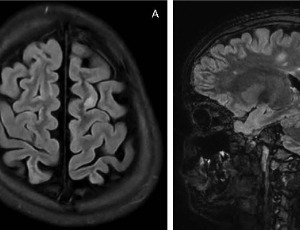
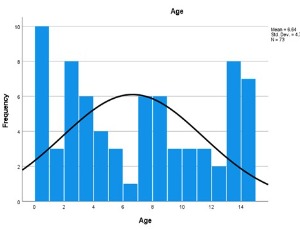
Pediatric Intensive Care Mortality Prediction Using Pediatric Risk of Mortality and Acute Physiology and Chronic Health Evaluation Scores
Nabeel Ahmad , Uzair Ahmed , Bilal Aslam , Muhammad Talha , Aamir Hussain , Rokish Akhtar , Neykzad Wadeer
Accurate mortality risk prediction is crucial in pediatric intensive care to guide clinical decision-making, allocate resources, benchmark quality, and counsel families. Traditional adult ICU scores (e.g. APACHE, SAPS) were developed in the 1980s but generally perform poorly in children due to differing physiology and disease patterns. Consequently, pediatric-specific models have been developed. The Pediatric Risk of Mortality (PRISM) score is a physiology-based risk model that uses 14–17 commonly measured variables (e.g. vital signs, blood gases, laboratory values) in the first hours of PICU admission to estimate mortality risk.
Arch Clin Pediatr, 2026, Volume 3, Issue 1, p8-14 | DOI: 10.33696/Pediatrics.3.009