Loading


Archives of Biomedical Research
ISSN: 3142-7316
Archive
2025
Recommended Articles
Vitamin B12 Deficiency: Current Therapeutic Approaches and Emerging Strategies
Vitamin B12 (cobalamin) is an essential micronutrient involved in DNA synthesis, erythropoiesis, and neurological function. Deficiency can result in hematological, neurological, and psychiatric manifestations, potentially leading to severe and irreversible complications if untreated. This editorial reviews current therapeutic strategies for vitamin B12 deficiency, including conventional supplementation forms, recommended dosages, and treatment durations.
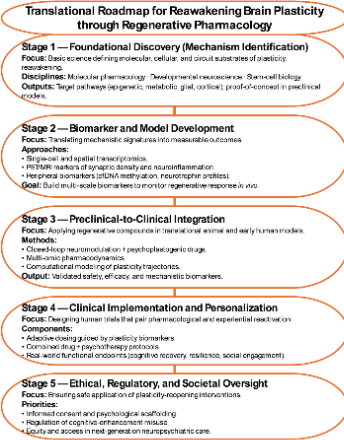
Reawakening Brain Plasticity: Towards Regenerative Pharmacology in Neuropsychiatric Disorders
For decades, psychopharmacology has focused on chemical modulation rather than biological repair. Emerging evidence across cellular, molecular, and systems neuroscience suggests that the adult brain retains dormant capacities for renewal that can be pharmacologically reactivated. Regenerative pharmacology reframes treatment as a process of biological reactivation, reawakening latent plasticity to rebuild damaged circuits rather than merely stabilizing neurotransmission.
Genes and Their Role in Intellectual Disabilities and Brain Development
Intellectual disability (ID) is a highly heterogeneous neurodevelopmental condition characterized by deficits in intellectual and adaptive functioning. Comprehensive cognitive and adaptive behavior assessments are essential for investigating its underlying causes. While environmental factors contribute, particularly in mild cases, genetic etiologies predominate in moderate to severe forms, accounting for over 50% of these cases. This review explores the complex genomic architecture of ID, including chromosomal abnormalities, monogenic disorders, de novo mutations, polygenic inheritance, and epigenetic dysregulation.
Infection Risks and Antibiotic Stewardship in CAR T-Cell Therapy
Chimeric antigen receptor (CAR) T-cell therapy has revolutionized the management of refractory hematologic malignancies such as leukemia, lymphoma and multiple myeloma, offering unprecedented remission rates. Yet, complications arising from infections remain a major challenge, particularly in the early post-infusion period and during prolonged immune suppression. This editorial synthesizes recent evidence (2021–2025) on infection epidemiology, risk factors, and stewardship strategies in CAR T-cell recipients.
Will SARS-CoV-2 Continue to Evolve in Such a Way That One Day the Risk of Persistent COVID May Become Insignificant?
Will SARS-CoV-2 continue to evolve in such a way that the risk of long COVID may one day become negligible? Theoretically, it's possible, but based on what we've seen so far, it's quite doubtful.
Long COVID is a debilitating and persistent illness that affects people in multiple and dynamic ways. It occurs after a SARS-CoV-2 infection and manifests as a continuous, relapsing-remitting, or progressive disease state affecting one or more organ systems. It can occur after an asymptomatic, mild, or severe SARS-CoV-2 infection.
Olfaction, an Undervalued Sense in Ageing: A Field for Translational Research
The scope of the Archives of Biomedical Research encompasses the burgeoning integration of multidisciplinary fields of medical and biological science and the translation from research into practice.
An area within the scope of neuroscience and behaviour science deserving significant attention is that of the role of the chemical and haptic senses in wellbeing and their impact on quality of life with declines occurring in ageing.