

Abstract
Penile cancer is a rare and biologically heterogeneous malignancy in which extensive regional nodal or distant metastatic disease is associated with poor survival. This structured narrative review summarizes current evidence for systemic treatment in the neoadjuvant, adjuvant, first-line palliative, and later-line settings, together with emerging biomarkers and molecularly directed strategies. PubMed/MEDLINE, Embase, Scopus, Web of Science, and ClinicalTrials.gov were searched through 2010 to June 2026. The evidence base remains dominated by retrospective cohorts and small, single-arm phase II studies, while mature randomized phase III data are lacking. Locally advanced disease and/or lymph node metastases carry a poor prognosis. Systemic treatment is crucial in improving the outcome and chemotherapy remains the main and first treatment option. Two triple drug regimens based on cisplatin and taxanes are recommended by guidelines, but response cannot be predicted. The most advantageous use is in combination with lymphadenectomy either as a neoadjuvant or an adjuvant approach.
Targeted therapies and immune-checkpoint inhibitors have shown signals of clinical activity, particularly in combination strategies, but they have not yet established a universal standard of care. Future progress will depend on international prospective trials, biomarker-integrated patient selection, and rational multimodal combinations.
Keywords
Penile cancer, Chemotherapy, Immunotherapy, Targeted treatment, Radio-chemotherapy, Molecular oncology, p16, p53, Human papillomavirus, Adjuvant, Neoadjuvant, Palliative
Introduction
Systemic chemotherapy is used for the treatment of locally advanced and/or metastatic penile cancer but with limited success. Its role today is therefore mainly in a neoadjuvant or adjuvant setting as a multimodal treatment for lymph node positive disease in conjunction with surgery or radiotherapy. Within such a multimodal approach, chemotherapy can be highly effective.
Due to the rarity of penile cancer, randomized controlled trials are limited. As a result, the existing evidence primarily consists of small retrospective series and multicenter cohorts, which are susceptible to selection bias, treatment heterogeneity, and incomplete reporting. Because penile cancer is a squamous cell cancer (SCC), comparisons and inferences are often made with data from other squamous cell cancers. This, however, is often misleading. Penile SCC (pSCC) today has 14 recognized distinct pathological subtypes that differ in tumorigenesis and aggressiveness. We still know little about the differences between the various types of penile cancer in response to different treatments. Targeted therapies and immunotherapies have been extremely successful in other malignancies but in pSCC their role is still evolving. Several molecular pathways and potential therapeutic targets in pSCC have been identified [1–4]. Studies are ongoing, but here also a ‘one-fits-all’ solution will not be available. The aim of this structured narrative review is therefore to critically evaluate systemic treatment in the neoadjuvant, adjuvant, first-line palliative, and later-line settings, with particular emphasis on the strength of evidence, predictive biomarkers, and ongoing clinical trials.
Methods
This structured narrative review is based on searches of PubMed/MEDLINE, Embase, Scopus, and Web of Science from database inception to June 2026. ClinicalTrials.gov and the reference lists of relevant articles and guidelines were additionally searched. Search terms combined “penile cancer”, “penile squamous cell carcinoma”, or “pSCC” with terms related to systemic therapy, chemotherapy, neoadjuvant and adjuvant treatment, immunotherapy, immune-checkpoint inhibitors, targeted therapy, EGFR, HPV, p16, TP53, tumor mutational burden, microsatellite instability, and mismatch repair. Current EAU–ASCO, ESMO–EURACAN and NCCN guidelines were also reviewed. English-language human studies reporting systemic treatment, clinical outcomes, relevant biomarkers, or guideline recommendations in pSCC were eligible. Prospective trials, multicenter cohorts, systematic reviews, meta-analyses, and international guidelines were prioritized, while retrospective series and selected case reports were included when higher-level evidence was unavailable. Duplicate publications, studies of non-penile primary tumors, purely preclinical studies, and reports without relevant clinical data were excluded. Evidence was synthesized narratively, considering study design, sample size, clinical setting, efficacy, toxicity, and potential sources of bias. No protocol was registered, and formal PRISMA reporting, meta-analysis and GRADE assessment were not performed.
Molecular Alterations and Potential Therapeutic Targets in Penile Cancer
Numerous studies have evaluated specific molecular alterations in primary penile cancer and metastatic tissues to find predictive and prognostic factors and, more recently, to evaluate potential targets for target-directed treatment.
The largest whole exome sequencing analysis in penile cancer so far identified as the most common gene mutations TP53 (in 35% of cases, NOTCHI (35%), CDKN2A (23%), PIK3CA (21%) and DDR (20%) [5]. Other groups found a similar set of frequent mutations: CDKN2A (in 40% of cases), NOTCH1 (25%), PIK3CA (25%), EGFR amplification (20%), CCND1 amplification (20%), BRCA2 insertions/deletions (10%), RICTOR amplifications (10%), and FBXW7 point mutations (10%) [6–11].
Genomic alterations in the Notch pathway are also frequently found in head & neck squamous cell cancers as in pSCC (70.6% of cases) [12]. pSCC cancer samples showed enrichment of two mutational signatures, one associated with oncogenic activity of APOBEC (a cytosine deaminase) and the other with defective DNA mismatch repair and microsatellite instability. The subset with the APOBEC-related mutation signature correlated with worse survival in comparison to the other (HR=10.2) [12].
About 30–50% of penile cancer cases are HPV-positive and are usually p16-positive as well [13]. In an analysis of p16, p53 and HPV in 57 cases a positive p16 status was a significant predictor for better cancer-specific survival (hazard ratio 0.36) [14–16]. In that study, the worst cancer-specific survival was seen in pN+ patients who were negative for p16 and p53 (8 vs. 34 months; p<0.01). Feber et al. reported that HPV-positive pSCC had a lower mutational load than HPV-negative tumors [7]. Also, a definitive CpG signature in HPV-negative tumors was identified.
In the study by Chahoud et al., HPV detection was significantly associated with mutations in the ARPP21, CMYA5 and RPGRIP1 genes, while P53 pathway genes (TP53, CHECK2) showed mutations in only 20% of HPV-positive cases but in 54.2% of the HPV-negative cases [12]. Similarly, in another study, HPV-mutations were seen in only 10% of HPV-positive cases and in 76% of HPV-negative cases [17]. This is supported by the finding that p53 expression in lymph node metastases of pSCC conferred an advantage in disease-free and overall survival with cisplatin-based chemotherapy [18]. Thus, consistent with the theory that either HPV infection or chronic inflammation drives the development of pSCC, different mutations have been found in HPV-positive and HPV-negative penile cancers.
Tumor-associated macrophages (TAMs) are part of the host’s potential immune response. In pSCC, high densities of CD68+ TAMs were associated with significantly improved cancer-specific and overall survival as well as a lower risk of nodal recurrence [12]. In another study, high intra-tumoral CD163+ cells corresponding with lymph node metastasis were reported [19].
The number of non-synchronous somatic mutations in the coding area of tumor cells per megabase of DNA is described as the Tumor Mutational Burden (TMB). The mutations are thought to influence the expression of so-called ‘neo-antigens’ (tumor-specific epitopes) which can be attacked by the immune system. TMB quantification and reporting are, however, not very well standardized. Furthermore, it varies widely among different tumor entities. However, it is considered a prognostic as well as a potential response marker to some immunotherapies, e.g. pembrolizumab. TMB is usually not very high in pSCC. Furthermore, in Feber et al’s analysis, TMB was not correlated with tumor stage or grade [7].
Thus, pSCC appears genetically ‘quiet’ with relatively few recurrent somatic mutations identified when compared with other adult tumors [8]. Also, there is a relatively low rate of copy-number alterations (CNAs) in pSCC, with approximately 50% showing no significant CNAs and only 13 regions of significant recurrent CNAs [7]. However, the findings in the mutational spectrum suggest an “APOBEC” mutational phenotype in HPV-related pSCC which is also seen in other HPV-related tumors. The relative lack of somatic alterations and the CpG deamination signature as well as the reduction in DNA methylation in HPV-negative tumors may indicate that changes to the epigenome may represent a major pathogenic mechanism in pSCC [7].
Since changes in the HER/PTEN/Akt pathway in pSCC have also been described, and HER3, HER4, and EGFR are associated with pSCC, HER tyrosine kinase inhibitors may also be a suitable targeted therapy. Epidermal growth factor receptor (EGFR) is overexpressed in epithelial cancers, including pSCC. A study of 30 patients has suggested that EGFR expression is a predictor of recurrence and poor prognosis in patients [20]. Although EGFR expression is high in pSCC, EGFR alterations are rarely found.
PD-L1 has been detected in 40–60% of pSCCs and mainly in HPV-negative tumors [21]. In that study, PD-L1 expression in primary pSCC was significantly associated with lymph node metastasis (p<0.024). Similarly, Ottenhof et al. reported that PD-L1 expression in tumor cells was a significant predictor of positive lymph nodes (OR 2.81, p<0.06) [19, 22]. Furthermore, a negative HPV status and positive PD-L1 expression was significantly correlated with poor disease-specific survival (HR 9.73, p<0.021, and HR 2.81, p<0.04, respectively).
In summary, there has been significant progress in characterizing the molecular characteristics of pSCC. It has become clear that there are fundamental differences between HPV-positive and HPV-negative pSCCs. At the same time, unlike other HPV-driven carcinomas, pSCC shows few consistent mutational alterations. It therefore seems unlikely that response to some immunotherapies will be similarly successful as it has been in other HPV-related squamous cell carcinomas. Penile cancer is a complex type of cancer. Despite more knowledge of its molecular set-up, not so much of this can be confidently transferred into clinical practice yet.
Current Chemotherapy Concepts
Chemotherapy began in the early 1970s with single drugs on a trial-and-error basis. Response rates of 61%, 25%, and 21% were reported for methotrexate, cisplatin, and bleomycin each [23,24]. Cisplatin was used in two-drug combinations, with 5-fluorouracil, irinotecan, methotrexate, and gemcitabine [25–28].
Triple drug regimens with cisplatin, bleomycin, and methotrexate were reported with a response rate of 72% [29]. However, other groups reported much lower response rates of 32% and 55% with toxicity-related deaths [30–32]. Pizzocaro et al. introduced two triple drug regimens: vincristine, bleomycin, and methotrexate as well as cisplatin, paclitaxel, and 5-fluorouracil (TPF) [33,34].
In the TPF regimen, 5-fluorouracil can be replaced by ifosfamide (cisplatin, ifosfamide, and paclitaxel, TIP). The triple drug regimens TPF and TIP are today standard and they seem to be equally effective [35]. TIP is more popular in the US, TPF in Europe. Although response rates of TIP appear numerically higher than those reported for TPF, cross-trial comparisons are limited because of heterogenous patient populations and predominantly retrospective studies. Overall, interpretation of chemotherapy outcomes is limited by small sample sizes, mixed neoadjuvant and metastatic populations, variable response criteria, and the predominance of non-randomized studies. Cross-study comparisons should therefore be avoided, and differences in reported response rates should not be regarded as evidence of comparative efficacy between regimens (Table 1).
|
Regimen |
Clinical setting |
Objective response rate |
Survival outcomes |
Major toxicities |
Level of evidence |
|
TIP (Cisplatin + Ifosfamide + Paclitaxel) |
Neoadjuvant, first-line metastatic |
~50–65% |
Long-term survival in responders; median OS 12–37 months |
Neutropenia, nephrotoxicity, neuropathy |
Phase II, retrospective |
|
TPF (Cisplatin + 5-FU + Paclitaxel/Docetaxel) |
Neoadjuvant, adjuvant, metastatic |
~38–43% |
Improved DFS in selected patients |
Myelosuppression, mucositis |
Phase II, retrospective |
|
Cisplatin + 5-FU |
First-line or second line |
20–30% |
Limited |
Moderate |
Small prospective studies |
|
Cisplatin + Irinotecan |
First-line or second line |
~30% |
Limited |
Gastrointestinal toxicity |
Phase II |
|
Gemcitabine + Cisplatin |
second line |
<10% |
No major benefit |
Moderate |
Phase II |
|
Paclitaxel (single agent) |
second line |
~20% |
Median OS 6–9 months |
Neuropathy |
Phase II |
Multimodal Treatment Strategies for Lymph Node Disease
Neoadjuvant and adjuvant chemotherapy address distinct clinical scenarios and should not be interpreted as interchangeable strategies. Neoadjuvant treatment aims to downstage bulky or fixed nodal disease before consolidative surgery, whereas adjuvant treatment is considered after lymphadenectomy in selected patients with high-risk pathological features. The prognosis of pSCC depends entirely on the lymph-node status, lymph node surgery being the most important factor for survival [1]. Despite clear evidence that lymph node surgery improves survival it is still underused [36,37]. In limited regional lymph node disease, long-term survival is possible with multimodal treatment. This consists of radical lymph node surgery combined with chemotherapy, radiotherapy or radiochemotherapy. Guidelines recommend neoadjuvant chemotherapy in bulky disease and adjuvant chemotherapy in limited lymph node disease [38] (see Figure 1). Its use has increased in recent years [39]. Lacking prospective, randomized trials, the evidence for adjuvant and neoadjuvant chemotherapy is based on cohort series and is not very strong.
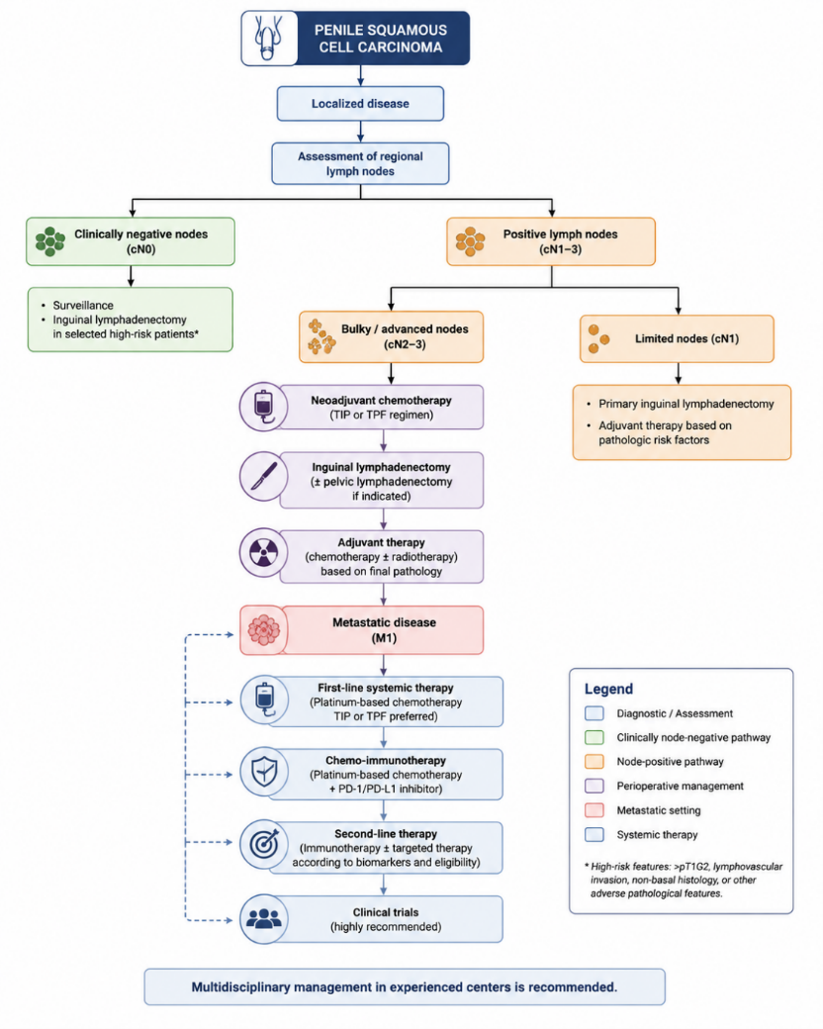
Figure 1. Treatment algorithm for penile cancer.
Neoadjuvant chemotherapy
Neoadjuvant chemotherapy is recommended by guidelines for lymph-node positive patients with bulky disease to improve resectability. Again, the existing evidence is largely based on retrospective cohort studies, many with different chemotherapy regimens used.
There are several case series using different chemotherapy regimens. The reported response rates lie between 65% and 84% and disease-free survival in responders between 31% and 90% [40–44]. In one multi-center analysis, neoadjuvant as well as adjuvant chemotherapy were not significantly associated with survival in N1/N2 disease, but did have an effect in N3 disease [42].
Neoadjuvant chemotherapy with the TPF regimen was used in two studies, whereby docetaxel was substituted for paclitaxel. Response rates were 58% and 63% [45,46]. In both trials, responders had better survival.
Neoadjuvant therapy with the TIP regimen was used in only one phase II study of N3/3 disease, with a response rate of 50% and 30% long-term survival in responders [47]. This compared favorably to overall cure rates by this approach of only 16-20% [42,48,49].
The data of the different studies are not directly comparable. What is clear from several of these studies is that the prognosis of patients with locally advanced or lymph node disease can be substantially improved if they respond to neoadjuvant chemotherapy. In a meta-analysis of 10 studies of neoadjuvant chemotherapy with pooled data from 182 patients, an overall response rate of 53% with a pathologically complete response rate of 16% was calculated. This analysis also reported less toxicity with regimens that did not include a taxane [50,51].
Adjuvant chemotherapy
Large databases did not demonstrate a benefit; in the National Cancer Database (NCD), only lymph-node surgery was significantly associated with overall survival [37]. Similarly, a SEER analysis did not show any effects on cancer-specific mortality in pN2/3 disease and another NCD analysis, published only as an abstract, did not show any effect at all [52]. However, large databases do not show details of treatment and are open to many biases.
Instead, we must rely on retrospective cohort studies. The adjuvant VMB study reported cure in 90% of patients [33]. The same group later reported a cohort with a relapse rate of 16% compared to 45% in a historic control without adjuvant treatment [40]. An adjuvant two-drug regimen (cisplatin or carboplatin plus paclitaxel) gave markedly improved disease-free survival (23 versus 2 months) [53]. Adjuvant TPF (either paclitaxel or docetaxel) gave 50% long-term survival, whereby expression of p53 correlated with a poorer outcome [18].
Several studies compared adjuvant and neoadjuvant treatment. Nicolai et al. used TPF whereby 37% of patients with adjuvant chemotherapy achieved long-term survival versus 7% of those with neoadjuvant treatment [54]. In another series, the adjuvant treatment group experienced a significantly longer progression-free survival but there was no difference in overall survival [55]. Warli et al. reported 20 patients with bulky disease and found that early surgery followed by adjuvant chemotherapy had better outcomes than neoadjuvant chemotherapy followed by surgery [56].
In a multicenter retrospective study (n=689) neither neoadjuvant nor adjuvant chemotherapy provided overall survival advantage in pN1/2 patients but neoadjuvant therapy did in pN3 disease [42].
A multicenter analysis looked at pelvic nodal disease. Thirty-six men achieved an overall survival of 21.7 months with adjuvant chemotherapy versus 10.1 months without (p<0.049) [57]. In multivariate analysis, improved overall survival was independently associated with adjuvant chemotherapy (hazard ratio 0.40, p<0.022).
A meta-analysis of the existing data reported non-significant hazard ratios of 1.41 (0.99-2.02) for overall and 1.63 for progression-free survival (1.09-2.44) in favor of adjuvant therapy [58].
Summary of chemotherapy concepts
The existing data on adjuvant chemotherapy suggest that in 30–50% of cases of lymph-node positive disease, adjuvant chemotherapy can improve the prognosis and is of definite benefit. The benefit is greatest in patients at high risk of recurrence [59]. It improves disease-free and overall survival in high-risk pN3 patients, including those with pelvic nodal involvement [57,60]. Three of the retrospective cohort analyses comparing adjuvant and neoadjuvant treatment found an advantage of adjuvant over neoadjuvant treatment. Adjuvant chemotherapy is recommended by the EAU guidelines (see Figure 1) [38,61].
Responders to neoadjuvant chemotherapy have a chance to achieve long-term survival with radical lymph node surgery. However, the response to chemotherapy cannot be predicted. Treatment response should be assessed early during neoadjuvant chemotherapy. In patients without progression and with technically resectable disease, consolidative lymph-node surgery should be considered within a multidisciplinary treatment strategy. It is also clear that prospective controlled trials are needed to clarify the many remaining questions of multimodal treatment with chemotherapy. A currently ongoing trial (InPACT, NCT02305654) is trying to resolve some of these questions.
Palliative and Second-line Treatment
For unresectable or distant metastatic disease, treatment is generally palliative and should balance disease control, treatment-related toxicity, symptom relief, and quality of life. Platinum-based chemotherapy remains the preferred first-line systemic approach, although the supporting evidence is low-level and no regimen has been validated in a randomized comparative trial. TIP and TPF are commonly used triplet regimens, whereas platinum-based doublets may be considered in patients who are unlikely to tolerate intensive treatment. Regimen selection should take into account performance status, renal function, pre-existing neuropathy, comorbidities, prior systemic treatment, and patient preferences [38].
Second-line chemotherapy
In studies of second-line treatment after first-line chemotherapy the median overall survival of patients is 4.3–9 months [60]. Second-line chemotherapy after disease progression is not at all well evaluated and probably underreported.
TIP can be used if TPF was the first line treatment or vice versa. However, the cumulative cisplatin dose must be considered. Second-line paclitaxel after first-line cisplatin-based therapy were reported with partial responses in 20–25% [62,63]. Second-line bleomycin, methotrexate and cisplatin was used with 40% partial response rate, vinflunine with 27% [64], mitomycin C with 22% [65] and cabazitaxel without any response [66].
Thus, second line chemotherapy is based on trial and error, using one- or two-drug regimens depending on what the first-line regimen was. The prognosis of these patients is very poor, and the potential benefits of any palliative chemotherapy should be weighed against quality of life and complications. No established standard of care exists after progression on platinum-based chemotherapy. Whenever feasible, enrolment in a clinical trial should therefore be prioritized over empirically selected salvage therapy [38].
Multimodal Treatment with Adjuvant Radiotherapy
Guidelines do recommend adjuvant radiotherapy despite a lack of evidence [38]. A meta-analysis from 2018 did not show any consistent benefit of adjuvant radiotherapy [67].
Several studies compared adjuvant radiotherapy with chemotherapy. With nodal disease limited to the groin, radiotherapy was better than chemotherapy in overall survival [68], while others reported equal efficacy [69].
For extranodal extension of lymph node metastases (pN3), radiotherapy seems more effective than chemotherapy [70,71]. Regarding radiochemotherapy, some reported no difference [72,73] while others that radiochemotherapy was more effective than radiotherapy alone [70,74]. A SEER analysis suggested that pN3 patients may benefit from adjuvant radiochemotherapy [75], however, without benefit for survival [76,77]. The same was reported from the Danish penile cancer registry [78].
Thus, the evidence for adjuvant radiotherapy after radical lymph node surgery is even less clear than for adjuvant chemotherapy. It does suggest, however, that adjuvant radiochemotherapy is more effective than radiotherapy alone. The benefit of adjuvant radiotherapy may be limited to cases with extranodal extension [79].
Advances in radiotherapy techniques may, however, improve this situation, allowing for higher doses and more specific targeting. An improved disease-free and overall survival at 2 years was reported recently [80]. As with chemotherapy, adjuvant radiotherapy may be more effective in HPV-positive pSCC [81].
Thus, the evidence is heterogeneous, but it seems that in pN3 disease due to extracapsular extension, radiochemotherapy is beneficial.
Targeted Therapies
The tyrosine kinase inhibitors sorafenib and sunitinib were used in pSCC without much success. In six patients with advanced pSCC progressive after two different chemotherapy regimens either of the two drugs were used, with one partial response, four stabilizations and pain reduction. A reduction in microvessel density and Ki-67 labeling was observed in three paired tumor specimens [82].
Since EGFR overexpression is common in penile cancer and related to poor prognosis, different EGFR-targeted therapies (cetuximab, erlotinib, gefitinib) were used [83]. 17/24 patients received cetuximab alone or in combination with chemotherapy with four partial responses and a time to progression of 11.3 weeks. Nimotuzumab was used in HPV-positive patients progressive after chemotherapy and reported 2/6 partial responses and one stable disease [84]. Dacomitinib, a pan-HER Tyrosine kinase inhibitor in a phase-II study as first-line therapy in 28 patients with a response rate of 32% and a time to progression of only four months [85] (see Table 2).
|
Study |
Treatment |
Line of therapy |
Patients |
ORR |
Median PFS |
Median OS |
Biomarker observations |
|
HERCULES |
Pembrolizumab + platinum chemotherapy |
First line |
37 |
39% |
5.4 months |
9.6 months |
Better response in HPV-positive tumors |
|
Cemiplimab combination trial |
Cemiplimab + platinum chemotherapy |
First line |
29 |
52% |
6.2 months |
15 months |
Promising combination |
|
Toripalimab + Nimotuzumab + chemotherapy |
Combination immunotherapy |
Neoadjuvant treatment of locally advanced disease |
— |
82% |
65.5% 2-year PFS |
72% 2-year OS |
Most promising results to date |
|
Pembrolizumab monotherapy |
First line (cisplatin-ineligible) |
10 |
30% |
2.8 months |
4.3 months |
Better outcome in PD-L1/HPV-positive patients |
|
|
Nivolumab |
Salvage |
Case reports |
— |
Durable partial response |
— |
— |
PD-L1 positive |
|
Dacomitinib |
Targeted therapy |
First line |
28 |
32% |
4 months |
— |
Limited activity |
Overall, targeted therapies have produced occasional objective responses but limited durability, and no agent has established a routine role in unselected penile squamous cell carcinoma. Their limited clinical success may reflect molecular heterogeneity, the rarity of actionable driver alterations, pathway redundancy, and the absence of prospective biomarker-based patient selection.
Immunotherapy
The first attempt with immunotherapy was 13-cis-retinoic acid plus interferon-α2a in 16 patients but there was only one response [86]. Interferon-α2a in combination with cisplatin showed a response rate of 75% [26].
Since the expression of PD-L1 is high in pSCC, PD1/PD-L1, and CTLA-4 antibodies were tried. In one patient, a substantial response to nivolumab in an HPV-negative, PD-L1-positive pSCC progressive after chemoradiotherapy was seen with 80% reduction in tumor volume [87]. After eight doses of nivolumab, on rebiopsy tumor cells showed reduced expression of PD-L1 while intratumoral immune cells showed increased PD-L1 expression.
For first-line pembrolizumab, a response rate of 30% with a duration of response and disease control of 12 and 8 months, respectively, was reported. However, the median progression-free survival (PFS) was 2.8 and the median overall survival only 4.3 months. PD-L1 and HPV-positive patients had a higher response rate [88,89].
In a mouse model with predominant myeloid-derived suppressor cells in the tumor immune microenvironment a synergistic effect of immune checkpoint blockade with the MDSC-diminishing drugs cabozantinib or celecoxib were demonstrated [90].
Numerous studies are currently investigating the use of checkpoint inhibitors in pSCC and in basket trials of HPV-associated or rare tumors [91,92] (see Table 3).
|
Trial |
Phase |
Treatment |
Population |
Primary endpoint |
|
InPACT (NCT02305654) |
III |
Surgery ± neoadjuvant chemotherapy/radiotherapy |
Node-positive disease |
Overall survival |
|
Cemiplimab combination study |
II |
Cemiplimab + chemotherapy |
Advanced disease |
ORR |
|
Toripalimab combination trial |
II |
Toripalimab + Nimotuzumab + chemotherapy |
Advanced disease |
ORR |
|
Basket immunotherapy studies |
II |
PD-1/PD-L1 inhibitors |
Rare tumors including penile SCC |
Response rate |
|
NCT05526989 |
II |
Dostarlimab + Niraparib |
Second-line after chemotherapy |
ORR |
|
NCT03391479 |
II |
Avelumab |
Second-line pSCC |
ORR |
|
NCT03774901 |
II |
Avelumab maintenance therapy |
Locally advanced or metastatic |
PFS |
|
EPIC |
II |
Cemiplimab maintenance |
After chemotherapy |
PFS |
|
Basket trial (NCT02496208) |
II |
Cabozantinib + Nivolumab ± Ipililumab |
Rare genitourinary tumors |
ORR |
|
NCT07518979 |
II |
Becotatug Vedotin + Pucotenlimab |
Neoadjuvant |
R0 resection |
|
NCT06104618 |
II |
Enfortumab vedotin |
Unresectable or metastatic, unfit for chemotherapy |
Best response rate |
|
NCT07110038 |
II |
Enfortumab vedotin + avelumab |
Unresectable or metastatic, first-line |
ORR |
Combination treatment with immunotherapy and chemotherapy
This approach has yielded some promising results (see Table 2). In a phase II trial (HERCULES), first-line pembrolizumab plus platin-based chemotherapy achieved an objective response rate of 39%. However, median progression-free and overall survival were only 5.4 and 9.6 months [93,94]. Higher response rates were seen in HPV-positive than HPV-negative patients. Cemiplimab with platin-based chemotherapy yielded partial responses in 52% and stable disease in 10% of patients. Again, median progression-free survival was 6.2 months only and overall survival 15 months [95]. In a distinct neoadjuvant setting, toripalimab plus nimotuzumab combined with taxane-based chemotherapy produced an objective response rate of 82%, with two-year overall and progression-free survival rates of 72% and 65.5%, respectively. Because this single-arm multimodal strategy was followed by consolidative surgery in a selected population with locally advanced disease, its results should not be directly compared with first-line studies conducted in patients with unresectable or metastatic disease [84].
Second-line immunotherapy
Second-line targeted or immunotherapy can lead to modest prolongations of overall survival. One successful case was reported for tislelizumab [96,97]. Sorafenib as well as sunitinib [82], panitumumab [98], EGFR-antibodies [99], cabozantinib plus nivolumab [100] and apatinib [101] have been reported in this setting. By meta-analysis, these trials provided for longer median overall and progression-free survivals, 6.7–9.5 months and 1.9–4.8 months, respectively, than does second-line chemotherapy [102]. Nivolumab, retifanlimab as well as pembrolizumab plus vorinostat have been used . In a multi-center retrospective basket trial of rare tumors with 92 patients with metastatic pSCC, different immunotherapies were used as second or third line treatments (prembrolizumab (28%), nivolumab/ipililumab with or without tyrosine kinase inhibitors (25%), nivolumab (17%) or cemiplimab (16%). There was an overall objective response rate of 13% and a median overall and progression-free survival of 9.8 and 3.2 months, respectively [103].
Ongoing trials
There are numerous registered ongoing trials into the potential role of immunotherapy in pSCC (Table 3). There is also an interest in antibody drug conjugates with the theoretical capability to deliver chemotherapy specifically towards cancer cells that express certain proteins. In a basket trial, sacituzumab govitecan with or without atezolizumab is being studied (NCT06161532) and enfortumab in a phase 2 trial (NCT06104618) [104]. These developments are very promising in that prospective trials are underway, and the potential of new and hopefully better therapies is being explored (Table 3).
Potential predictive biomarkers for immune-checkpoint inhibition include PD-L1 expression, HPV/p16 status, tumor mutational burden, and microsatellite instability or mismatch-repair deficiency. However, none of these biomarkers have been prospectively validated specifically for treatment selection in penile squamous cell carcinoma.
PD-L1 expression has been assessed using heterogeneous assays and positivity thresholds, and its predictive relevance remains inconsistent. HPV/p16 status remains predominantly a prognostic, rather than an established predictive marker [13–15]. MSI/dMMR-related alterations have been reported in genomic studies, but their prevalence and predictive relevance in pSCC remain insufficiently defined [6–9].
Primary and acquired immune resistance may involve a low neoantigen burden, impaired antigen presentation, T-cell exclusion or exhaustion, immunosuppressive tumor-associated macrophages and myeloid-derived suppressor cells, and adaptive changes in checkpoint expression [7–9,19,87,90,91]. These mechanisms provide a biological rationale for combinations involving chemotherapy, radiotherapy, EGFR-directed therapy, anti-angiogenic agents and antibody–drug conjugates [84,87,90,93,95,100,104]. However, these strategies remain investigational and require prospective comparative validation [84,93,95,100,104].
Biomarkers for Treatment and Prognosis
There are indications that response to chemotherapy and immunotherapy is better in HPV-positive patients [105]. However, there are no data on chemotherapy responsiveness in different histological subtypes of pSCC.
P16 is a surrogate marker for HPV-positivity, and is associated with a better prognosis [14,15]. PD-L1 expression is high in pSCC but indicates a poor prognosis with early lymph node metastases. Especially the combination of HPV negativity and high PD-L1 expression indicate a poor prognosis.
P53 mutations are more common in HPV-negative than -positive pSCC and probably for that reason p53 is also an indicator of a worse prognosis.
Importantly, prognostic association should not be equated with predictive value. Although HPV/p16 positivity, PD-L1 expression, and p53 abnormalities have been associated with clinical outcomes, none has been prospectively validated as a stand-alone biomarker for selecting chemotherapy, immunotherapy, or EGFR-directed treatment in penile squamous cell carcinoma. At present, treatment selection should not be based on any single pSCC-specific biomarker outside a clinical trial or an approved tumor-agnostic indication. Future studies should prospectively integrate viral status, immune phenotype, and genomic alterations with treatment-specific outcomes.
Strengths and Limitations of the Available Evidence
The principal strength of the existing literature is the consistent observation across several prospective and retrospective cohorts that selected responders to multimodal treatment may achieve durable disease control. However, the overall certainty of evidence remains low. Most available studies are retrospective institutional or multicenter series or small, single-arm phase II trials, while mature, randomized phase III data are lacking.
Interpretation is limited by selection bias, confounding by indication, heterogeneous clinical settings and treatment regimens, inconsistent response definitions, and the inclusion of both locoregionally advanced and distant metastatic populations. Randomized trials remain difficult because of the rarity of penile squamous cell carcinoma, geographically dispersed care, clinical heterogeneity, and potentially rapid disease progression. Consequently, most guideline recommendations are weak, cross-study comparisons should be avoided, and treatment decisions should be individualized within experienced multidisciplinary centers.
Future perspectives
Intensive research into the molecular oncology of pSCC has yielded many detailed insights. As efforts continue, results are likely to change systemic treatment for pSCC. The role of targeted and immunotherapy is evolving. Exploratory data suggest that HPV/p16 status may be associated with treatment response, but this observation requires prospective validation and should not yet be used as an independent criterion for treatment selection. Chemotherapy remains the backbone of systemic treatment, whereas chemoimmunotherapy, biomarker-selected targeted combinations, and antibody–drug conjugates should currently be regarded as emerging strategies requiring prospective comparative validation.
References
2. Azizi M, Tang DH, Verduzco D, Peyton CC, Chipollini J, Yuan Z, et al. Impact of PI3K-AKT-mTOR Signaling Pathway Up-regulation on Prognosis of Penile Squamous-Cell Carcinoma: Results From a Tissue Microarray Study and Review of the Literature. Clin Genitourin Cancer. 2019 Feb;17(1):e80–e91.
3. Ahmed ME, Falasiri S, Hajiran A, Chahoud J, Spiess PE. The Immune Microenvironment in Penile Cancer and Rationale for Immunotherapy. J Clin Med. 2020 Oct 17;9(10):3334.
4. Chahoud J, Pickering CR, Pettaway CA. Genetics and penile cancer: recent developments and implications. Curr Opin Urol. 2019 Jul;29(4):364–70.
5. Chahoud J, Tamil M, Necchi A. Second line salvage systemic therapy for advanced penile cancer. Urol Oncol. 2022 Jun;40(6):229–34.
6. Ali SM, Pal SK, Wang K, Palma NA, Sanford E, Bailey M, et al. Comprehensive Genomic Profiling of Advanced Penile Carcinoma Suggests a High Frequency of Clinically Relevant Genomic Alterations. Oncologist. 2016 Jan;21(1):33–9.
7. Feber A, Arya M, de Winter P, Saqib M, Nigam R, Malone PR, et al. Epigenetics markers of metastasis and HPV-induced tumorigenesis in penile cancer. Clin Cancer Res. 2015 Mar 1;21(5):1196–206.
8. Feber A, Worth DC, Chakravarthy A, de Winter P, Shah K, Arya M, et al. CSN1 Somatic Mutations in Penile Squamous Cell Carcinoma. Cancer Res. 2016 Aug 15;76(16):4720–27.
9. Chahoud J, Gleber-Netto FO, McCormick BZ, Rao P, Lu X, Guo M, et al. Whole-exome Sequencing in Penile Squamous Cell Carcinoma Uncovers Novel Prognostic Categorization and Drug Targets Similar to Head and Neck Squamous Cell Carcinoma. Clin Cancer Res. 2021 May 1;27(9):2560–70.
10. Fenner F, Goody D, Protzel C, Erbersdobler A, Richter C, Hartz JM, et al. E2F1 Signalling is Predictive of Chemoresistance and Lymphogenic Metastasis in Penile Cancer: A Pilot Functional Study Reveals New Prognostic Biomarkers. Eur Urol Focus. 2018 Jul;4(4):599–607.
11. Kroon BK, Leijte JA, van Boven H, Wessels LF, Velds A, Horenblas S, et al. Microarray gene-expression profiling to predict lymph node metastasis in penile carcinoma. BJU Int. 2008 Aug;102(4):510–5.
12. Chahoud J, Gleber-Netto FO, McCormick BZ, Rao P, Lu X, Guo M, et al. Whole-exome Sequencing in Penile Squamous Cell Carcinoma Uncovers Novel Prognostic Categorization and Drug Targets Similar to Head and Neck Squamous Cell Carcinoma. Clin Cancer Res. 2021 May 1;27(9):2560–70.
13. Djajadiningrat RS, Jordanova ES, Kroon BK, van Werkhoven E, de Jong J, Pronk DT, et al. Human papillomavirus prevalence in invasive penile cancer and association with clinical outcome. J Urol. 2015 Feb;193(2):526–31.
14. Zargar-Shoshtari K, Spiess PE, Berglund AE, Sharma P, Powsang JM, Giuliano A, et al. Clinical Significance of p53 and p16(ink4a) Status in a Contemporary North American Penile Carcinoma Cohort. Clin Genitourin Cancer. 2016 Aug;14(4):346–51.
15. Chahoud J, Zacharias NM, Pham R, Qiao W, Guo M, Lu X, et al. Prognostic Significance of p16 and Its Relationship with Human Papillomavirus Status in Patients with Penile Squamous Cell Carcinoma: Results of 5 Years Follow-Up. Cancers (Basel). 2022 Dec 7;14(24):6024.
16. Tang DH, Clark PE, Giannico G, Hameed O, Chang SS, Gellert LL. Lack of P16ink4a over expression in penile squamous cell carcinoma is associated with recurrence after lymph node dissection. J Urol. 2015 Feb;193(2):519–25.
17. Elst L, Van Rompuy AS, Roussel E, Spans L, Vanden Bempt I, Necchi A, et al. Establishment and Characterization of Advanced Penile Cancer Patient-derived Tumor Xenografts: Paving the Way for Personalized Treatments. Eur Urol Focus. 2022 Nov;8(6):1787–94.
18. Necchi A, Lo Vullo S, Nicolai N, Raggi D, Giannatempo P, Colecchia M, et al. Prognostic Factors of Adjuvant Taxane, Cisplatin, and 5-Fluorouracil Chemotherapy for Patients With Penile Squamous Cell Carcinoma After Regional Lymphadenectomy. Clin Genitourin Cancer. 2016 Dec;14(6):518–23.
19. Ottenhof SR, Djajadiningrat RS, Thygesen HH, Jakobs PJ, Jóźwiak K, Heeren AM, et al. The Prognostic Value of Immune Factors in the Tumor Microenvironment of Penile Squamous Cell Carcinoma. Front. Immunol. 9:1253.
20. Di Lorenzo G, Perdonà S, Buonerba C, Sonpavde G, Gigantino V, Pannone G, et al. Cytosolic phosphorylated EGFR is predictive of recurrence in early stage penile cancer patients: a retropective study. J Transl Med. 2013 Jul 2;11:161.
21. Udager AM, Liu TY, Skala SL, Magers MJ, McDaniel AS, Spratt DE, et al. Frequent PD-L1 expression in primary and metastatic penile squamous cell carcinoma: potential opportunities for immunotherapeutic approaches. Ann Oncol. 2016 Sep;27(9):1706–12.
22. Ottenhof SR, Djajadiningrat RS, de Jong J, Thygesen HH, Horenblas S, Jordanova ES. Expression of Programmed Death Ligand 1 in Penile Cancer is of Prognostic Value and Associated with HPV Status. J Urol. 2017 Mar;197(3 Pt 1):690–97.
23. Ahmed T, Sklaroff R, Yagoda A. An appraisal of the efficacy of bleomycin in epidermoid carcinoma of the penis. Anticancer Res. 1984 Jul-Oct;4(4-5):289–92.
24. Ahmed T, Sklaroff R, Yagoda A. Sequential trials of methotrexate, cisplatin and bleomycin for penile cancer. J Urol. 1984 Sep;132(3):465–8.
25. Hussein AM, Benedetto P, Sridhar KS. Chemotherapy with cisplatin and 5-fluorouracil for penile and urethral squamous cell carcinomas. Cancer. 1990 Feb 1;65(3):433–8.
26. Theodore C, Skoneczna I, Bodrogi I, Leahy M, Kerst JM, Collette L, et al. A phase II multicentre study of irinotecan (CPT 11) in combination with cisplatin (CDDP) in metastatic or locally advanced penile carcinoma (EORTC PROTOCOL 30992). Ann Oncol. 2008 Jul;19(7):1304–7.
27. Kattan J, Culine S, Droz JP, Fadel E, Court B, Perrin JL, et al. Penile cancer chemotherapy: twelve years' experience at Institut Gustave-Roussy. Urology. 1993 Nov;42(5):559–62.
28. Houédé N, Dupuy L, Fléchon A, Beuzeboc P, Gravis G, Laguerre B, et al. Intermediate analysis of a phase II trial assessing gemcitabine and cisplatin in locoregional or metastatic penile squamous cell carcinoma. BJU Int. 2016 Mar;117(3):444–9.
29. Dexeus FH, Logothetis CJ, Sella A, Amato R, Kilbourn R, Fitz K, et al. Combination chemotherapy with methotrexate, bleomycin and cisplatin for advanced squamous cell carcinoma of the male genital tract. J Urol. 1991 Nov;146(5):1284–7.
30. Haas GP, Blumenstein BA, Gagliano RG, Russell CA, Rivkin SE, Culkin DJ, et al. Cisplatin, methotrexate and bleomycin for the treatment of carcinoma of the penis: a Southwest Oncology Group study. J Urol. 1999 Jun;161(6):1823–5.
31. Corral DA, Sella A, Pettaway CA, Amato RJ, Jones DM, Ellerhorst J. Combination chemotherapy for metastatic or locally advanced genitourinary squamous cell carcinoma: a phase II study of methotrexate, cisplatin and bleomycin. J Urol. 1998 Nov;160(5):1770–4.
32. Hakenberg OW, Nippgen JB, Froehner M, Zastrow S, Wirth MP. Cisplatin, methotrexate and bleomycin for treating advanced penile carcinoma. BJU Int. 2006 Dec;98(6):1225–7.
33. Pizzocaro G, Piva L. Adjuvant and neoadjuvant vincristine, bleomycin, and methotrexate for inguinal metastases from squamous cell carcinoma of the penis. Acta Oncol. 1988;27(6b):823–4.
34. Pizzocaro G, Nicolai N, Milani A. Taxanes in combination with cisplatin and fluorouracil for advanced penile cancer: preliminary results. Eur Urol. 2009 Mar;55(3):546–51.
35. Clark PE, Spiess PE, Agarwal N, Biagioli MC, Eisenberger MA, Greenberg RE, et al. Penile cancer: Clinical Practice Guidelines in Oncology. J Natl Compr Canc Netw. 2013 May 1;11(5):594–615.
36. Correa AF, Handorf E, Joshi SS, Geynisman DM, Kutikov A, Chen DY, et al. Differences in Survival Associated with Performance of Lymph Node Dissection in Patients with Invasive Penile Cancer: Results from the National Cancer Database. J Urol. 2018 May;199(5):1238–44.
37. Joshi SS, Handorf E, Strauss D, Correa AF, Kutikov A, Chen DYT, et al. Treatment Trends and Outcomes for Patients With Lymph Node-Positive Cancer of the Penis. JAMA Oncol. 2018 May 1;4(5):643–49.
38. Brouwer OR, Rumble RB, Ayres B, Sánchez Martínez DF, Oliveira P, Spiess PE, et al. Penile Cancer: EAU-ASCO Collaborative Guidelines Update Q and A. JCO Oncol Pract. 2024 Jan;20(1):33–7.
39. Ulvskog E, Drevin L, Persson EK, Lambe M, Kirrander P, Ahlgren J. Oncological therapy to Swedish men with metastatic penile cancer 2000-2015. Acta Oncol. 2021 Jan;60(1):42–9.
40. Pizzocaro G, Piva L, Nicolai N. Trattamento delle metastasi linfonodali da carcinoma spinocellulare del pene: l'esperienza dell'Istituto Nazionale tumori di Milano [Treatment of lymphatic metastasis of squamous cell carcinoma of the penis: experience at the National Tumor Institute of Milan]. Arch Ital Urol Androl. 1996 Jun;68(3):169–72.
41. Necchi A, Pond GR, Raggi D, Ottenhof SR, Djajadiningrat RS, Horenblas S, et al. Clinical Outcomes of Perioperative Chemotherapy in Patients With Locally Advanced Penile Squamous-Cell Carcinoma: Results of a Multicenter Analysis. Clin Genitourin Cancer. 2017 Oct;15(5):548–55.e3.
42. Necchi A, Lo Vullo S, Mariani L, Zhu Y, Ye DW, Ornellas AA, et al. Nomogram-based prediction of overall survival after regional lymph node dissection and the role of perioperative chemotherapy in penile squamous cell carcinoma: A retrospective multicenter study. Urol Oncol. 2019 Aug;37(8):531.e7–531.e15.
43. Bermejo C, Busby JE, Spiess PE, Heller L, Pagliaro LC, Pettaway CA. Neoadjuvant chemotherapy followed by aggressive surgical consolidation for metastatic penile squamous cell carcinoma. J Urol. 2007 Apr;177(4):1335–8.
44. Djajadiningrat RS, Bergman AM, van Werkhoven E, Vegt E, Horenblas S. Neoadjuvant taxane-based combination chemotherapy in patients with advanced penile cancer. Clin Genitourin Cancer. 2015 Feb;13(1):44–9.
45. Nicholson S, Hall E, Harland SJ, Chester JD, Pickering L, Barber J, et al. Phase II trial of docetaxel, cisplatin and 5FU chemotherapy in locally advanced and metastatic penis cancer (CRUK/09/001). Br J Cancer. 2013 Nov 12;109(10):2554–9.
46. Xu S, Chen F, Diao L, Wang W, Wang X, Wu Q, et al. Neoadjuvant and/or adjuvant immune checkpoint inhibitors combined with chemotherapy for locally advanced resectable penile squamous cell carcinoma. Front Immunol. 2026 Mar 19;17:1731920.
47. Pagliaro LC, Williams DL, Daliani D, Williams MB, Osai W, Kincaid M, et al. Neoadjuvant paclitaxel, ifosfamide, and cisplatin chemotherapy for metastatic penile cancer: a phase II study. J Clin Oncol. 2010 Aug 20;28(24):3851–7.
48. Leijte JA, Kerst JM, Bais E, Antonini N, Horenblas S. Neoadjuvant chemotherapy in advanced penile carcinoma. Eur Urol. 2007 Aug;52(2):488–94.
49. Rose KM, Pham R, Zacharias NM, Ionescu F, Paravathaneni M, Marchetti KA, et al. Neoadjuvant platinum-based chemotherapy and lymphadenectomy for penile cancer: an international, multi-institutional, real-world study. J Natl Cancer Inst. 2024 Jun 7;116(6):966–73.
50. Azizi M, Aydin AM, Hajiran A, Lai A, Kumar A, Peyton CC, et al. Systematic Review and Meta-Analysis-Is there a Benefit in Using Neoadjuvant Systemic Chemotherapy for Locally Advanced Penile Squamous Cell Carcinoma? J Urol. 2020 Jun;203(6):1147–55.
51. Santucci J, Crisafi D, Sathianathen N, Eapen R, Bolton D, Murphy D, et al. Neoadjuvant Treatment for Penile Cancer: A Systematic Review of Contemporary Evidence. Cancers (Basel). 2026 May 14;18(10):1595.
52. Raup V, Szymaniak J, Hanna N, Berger A, Eswara J. MP49-09 Adjuvant chemotherapy in the treatment of lymph node positive squamous cell carcinoma of the penis: Analysis of the national cancer data base. Journal of Urology. 2019 Apr 1;201(Supplement 4):e709.
53. Noronha V, Patil V, Ostwal V, Tongaonkar H, Bakshi G, Prabhash K. Role of paclitaxel and platinum-based adjuvant chemotherapy in high-risk penile cancer. Urol Ann. 2012 Sep;4(3):150–3.
54. Nicolai N, Sangalli LM, Necchi A, Giannatempo P, Paganoni AM, Colecchia M, et al. A Combination of Cisplatin and 5-Fluorouracil With a Taxane in Patients Who Underwent Lymph Node Dissection for Nodal Metastases From Squamous Cell Carcinoma of the Penis: Treatment Outcome and Survival Analyses in Neoadjuvant and Adjuvant Settings. Clin Genitourin Cancer. 2016 Aug;14(4):323–30.
55. You R, Ji Y, Yang X, Zhao Q, Cao Y, Ma J, et al. Comparison of efficacy and prognosis between neoadjuvant chemotherapy and adjuvant chemotherapy in penile cancer patients with regional lymph node metastasis. Front Oncol. 2025 Dec 8;15:1611077.
56. Warli SM, Ginting JT, Sihombing B, Siregar GP, Prapiska FF. Comparison of Early Inguinal Lymph Node Dissection and Neoadjuvant Chemotherapy in Penile Cancer Patient with Bulky Nodal Metastasis: A Cohort Study. Urol J. 2024 Feb 28;21(1):47–51.
57. Sharma P, Djajadiningrat R, Zargar-Shoshtari K, Catanzaro M, Zhu Y, Nicolai N, et al. Adjuvant chemotherapy is associated with improved overall survival in pelvic node-positive penile cancer after lymph node dissection: a multi-institutional study. Urol Oncol. 2015 Nov;33(11):496.e17–23.
58. Paz Rojas JF, Ballestas Almario CA, García-Perdomo HA. Effectiveness and safety of adjuvant chemotherapy compared to neoadjuvant chemotherapy in patients with penile cancer and positive lymph nodes regarding overall survival and free disease survival: a systematic review and meta-analysis. Urol Oncol. 2022 May;40(5):200.e11-200.e18.
59. Garaz R, Peri J, Mirvald C, Muneer A, Alnajjar HM, Rausch S, et al. The identification of clinicopathological features predictive of recurrence following lymphadenectomy in penile cancer: A systematic review. Urol Oncol. 2026 Jun;44(6):1–13.
60. Garaz R, Mirvald C, Surcel C, Muneer A, Thomas A, Rausch S, et al. Evaluating the role of adjuvant therapy in improving outcomes for patients with lymph node-positive penile cancer following surgical management. Urol Oncol. 2025 Sep;43(9):485–97.
61. Hakenberg OW, Compérat EM, Minhas S, Necchi A, Protzel C, Watkin N. EAU guidelines on penile cancer: 2014 update. Eur Urol. 2015 Jan;67(1):142–50.
62. Di Lorenzo G, Cartenì G, Autorino R, Gonnella A, Perdonà S, Ferro M, et al. Activity and toxicity of paclitaxel in pretreated metastatic penile cancer patients. Anticancer Drugs. 2009 Apr;20(4):277–80.
63. Di Lorenzo G, Federico P, Buonerba C, Longo N, Cartenì G, Autorino R, et al. Paclitaxel in pretreated metastatic penile cancer: final results of a phase 2 study. Eur Urol. 2011 Dec;60(6):1280–4.
64. Pickering LM, Tovey H, ElliottT, Burnett SM, Cruickshank C, Bahl A, et al. VinCaP: a phase II trial of vinflunine chemotherapy in locally advanced and metastatic carcinoma of the penis (CRUK/12/021). J Clin Oncol 2018; 36(15 (suppl)): 4514–5.
65. Draeger DL, Hakenberg OW. Feasibility and effectiveness of second-line chemotherapy with mitomycin C in patients with advanced penile cancer. Front Urol. 2024 Jan 24;3:1198980.
66. Challapalli A, Pearson S, Mitra AV, Coe M, Thomson A, Elliott T, et al. A phase II trial of cabazitaxel as second line chemotherapy in relapsed locally advanced and/or metastatic carcinoma of the penis. J Int Med Res. 2019 Oct;47(10):4664–72.
67. Robinson R, Marconi L, MacPepple E, Hakenberg OW, Watkin N, Yuan Y, et al. Risks and Benefits of Adjuvant Radiotherapy After Inguinal Lymphadenectomy in Node-positive Penile Cancer: A Systematic Review by the European Association of Urology Penile Cancer Guidelines Panel. Eur Urol. 2018 Jul;74(1):76–83.
68. Jaipuria J, Kohli T, Venkatasubramaniyan M, Singh A, Gupta S, Pathak P, et al. Adjuvant radiation compares favorably to chemotherapy in patients with carcinoma penis and nodal positivity restricted to groin. Urol Oncol. 2020 Jul;38(7):641.e9–641.e18.
69. Jakobsen JK, Alslev L, Ipsen P, Costa JC, Krarup KP, Sommer P, et al. DaPeCa-3: promising results of sentinel node biopsy combined with (18) F-fluorodeoxyglucose positron emission tomography/computed tomography in clinically lymph node-negative patients with penile cancer - a national study from Denmark. BJU Int. 2016 Jul;118(1):102–11.
70. Tang DH, Djajadiningrat R, Diorio G, Chipollini J, Ma Z, Schaible BJ, et al. Adjuvant pelvic radiation is associated with improved survival and decreased disease recurrence in pelvic node-positive penile cancer after lymph node dissection: A multi-institutional study. Urol Oncol. 2017 Oct;35(10):605.e17–605.e23.
71. Johnstone PAS, Boulware D, Djajadiningrat R, Ottenhof S, Necchi A, Catanzaro M, et al. Primary Penile Cancer: The Role of Adjuvant Radiation Therapy in the Management of Extranodal Extension in Lymph Nodes. Eur Urol Focus. 2019 Sep;5(5):737–41.
72. Khurud P, Krishnatry R, Telkhade T, Patil A, Prakash G, Joshi A, et al. Impact of Adjuvant Treatment in pN3 Penile Cancer. Clin Oncol (R Coll Radiol). 2022 Mar;34(3):172–8.
73. Ager M, Njoku K, Serra M, Robinson A, Pickering L, Afshar M, et al. Long-term multicentre experience of adjuvant radiotherapy for pN3 squamous cell carcinoma of the penis. BJU Int. 2021 Oct;128(4):451–9.
74. Li ZS, Li XY, Wang B, Chen P, Li X, Augusto OA, et al. Radiotherapy plus chemotherapy versus chemotherapy alone in penile cancer patients with extracapsular nodal extension after inguinal lymph node surgery: a multi-institutional study. World J Urol. 2021 Jan;39(1):113–9.
75. Chen WK, Wu ZG. Adding radiotherapy based on chemotherapy can improve cancer-specific survival in N3 penile cancer: a SEER-based study. Transl Androl Urol. 2020 Dec;9(6):2587–95.
76. Burt LM, Shrieve DC, Tward JD. Stage presentation, care patterns, and treatment outcomes for squamous cell carcinoma of the penis. Int J Radiat Oncol Biol Phys. 2014 Jan 1;88(1):94–100.
77. Winters BR, Kearns JT, Holt SK, Mossanen M, Lin DW, Wright JL. Is there a benefit to adjuvant radiation in stage III penile cancer after lymph node dissection? Findings from the National Cancer Database. Urol Oncol 2018; 36(3): 92.e11–92.e16.
78. Maibom SL, Jakobsen JK, Aagaard M, Als AB, Petersen PM. DaPeCa-4: outcome in penile cancer patients with N3 disease due to extra nodal extension treated with surgery and chemo-irradiation. Scand J Urol. 2020 Aug;54(4):334–8.
79. Graafland NM, Moonen LM, van Boven HH, van Werkhoven E, Kerst JM, Horenblas S. Inguinal recurrence following therapeutic lymphadenectomy for node positive penile carcinoma: outcome and implications for management. J Urol. 2011 Mar;185(3):888–93.
80. Khurud P, Gupta A, Krishnatry R, Panigrahi G, Phurailatpam RD, Menon S, et al. Optimizing Target Volume for Adjuvant Radiation Therapy in Penile Cancer. Pract Radiat Oncol. 2023 May-Jun;13(3):e270–7.
81. Bandini M, Ross JS, Zhu Y, Ye DW, Ornellas AA, Watkin N, et al. Association Between Human Papillomavirus Infection and Outcome of Perioperative Nodal Radiotherapy for Penile Carcinoma. Eur Urol Oncol. 2021 Oct;4(5):802–10.
82. Zhu Y, Li H, Yao XD, Zhang SL, Zhang HL, Shi GH, et al. Feasibility and activity of sorafenib and sunitinib in advanced penile cancer: a preliminary report. Urol Int. 2010;85(3):334–40.
83. Carthon BC, Ng CS, Pettaway CA, Pagliaro LC. Epidermal growth factor receptor-targeted therapy in locally advanced or metastatic squamous cell carcinoma of the penis. BJU Int. 2014 Jun;113(6):871–7.
84. An X, Guo SJ, Yan R, Xue T, Xiong LB, Ma HL, et al. Neoadjuvant toripalimab plus nimotuzumab combined with taxol-based chemotherapy in locally advanced penile squamous cell carcinoma. Cancer Cell. 2025 May 12;43(5):970–80.e3.
85. Necchi A, Lo Vullo S, Perrone F, Raggi D, Giannatempo P, Calareso G, et al. First‐line therapy with dacomitinib, an orally available pan‐HER tyrosine kinase inhibitor, for locally advanced or metastatic penile squamous cell carcinoma: results of an open‐label, single‐arm, single‐centre, phase 2 study. . BJU Int 2018; 121(3): 348–56.
86. Skeel RT, Huang J, Manola J, Wilding G, Dreicer R, Walker P, et al. A phase II study of 13-cis retinoic acid plus interferon alpha-2a in advanced stage penile carcinoma: an Eastern Cooperative Oncology Group study (E3893). Cancer Invest. 2003;21(1):41–6.
87. Trafalis DT, Alifieris CE, Kalantzis A, Verigos KE, Vergadis C, Sauvage S. Evidence for Efficacy of Treatment With the Anti-PD-1 Mab Nivolumab in Radiation and Multichemorefractory Advanced Penile Squamous Cell Carcinoma. J Immunother. 2018 Jul/Aug;41(6):300–5.
88. Schieber T, Brunk K, Clennon A, Woolbright BL, Bantis LE, Grauer D, et al. Efficacy and safety of immune checkpoint inhibitors in metastatic penile squamous cell carcinoma: a retrospective multicenter analysis. Exp Hematol Oncol. 2025 Mar 12;14(1):36.
89. Nazha B, Zhuang T, Wu S, Brown JT, Magee D, Carthon BC, et al. Comprehensive genomic profiling of penile squamous cell carcinoma and the impact of human papillomavirus status on immune-checkpoint inhibitor-related biomarkers. Cancer. 2023 Dec 15;129(24):3884–93.
90. Huang T, Cheng X, Chahoud J, Sarhan A, Tamboli P, Rao P, et al. Effective combinatorial immunotherapy for penile squamous cell carcinoma. Nat Commun. 2020 May 1;11(1):2124.
91. Ahmed ME, Falasiri S, Hajiran A, Chahoud J, Spiess PE. The Immune Microenvironment in Penile Cancer and Rationale for Immunotherapy. J Clin Med. 2020 Oct 17;9(10):3334.
92. Noronha MM, de Almeida LFC, Passos PRC, da Silva LFL, Cappellaro AP, Filho VOC, et al. Efficacy and Safety of Immune Checkpoint Blockade in Locally Advanced or Metastatic Penile Cancer: A Systematic Review and Meta-Analysis. Clin Genitourin Cancer. 2026 Mar;24(2):102491.
93. Maluf FC, Trindade K, Preto DD, Monteiro FS, Luz M, Beato PM, et al. A phase II trial of pembrolizumab plus platinum-based chemotherapy as first-line systemic therapy in advanced penile cancer: HERCULES (LACOG 0218) trial. J Clin Oncol 2024;42:5009.
94. Cotait Maluf F, Trindade K, Preto D, de Almeida Luz M, Medeiros Milhomem Beato P, Assed Bastos D, et al. Pembrolizumab Plus Platinum-Based Chemotherapy for Patients With Advanced Penile Cancer: The Nonrandomized HERCULES (LACOG 0218) Clinical Trial. JAMA Oncol. 2025 Nov 1;11(11):1314–20.
95. Bahl A, Challapalli A, Venugopal B, Afshar M, Alifrangis C, Thomson A, et al. EPIC-A: Phase II trial of cemiplimab plus standard of care chemotherapy followed by maintenance cemiplimab in locally advanced or metastatic penile carcinoma. Cancer Cell 2025;43:1.
96. Dou WC, Xu J, Liu JY, Li X. Neoadjuvant tislelizumab combination chemotherapy for advanced penile cancer: A case report. Asian J Surg. 2022 Mar;45(3):968–9.
97. Shan X, Bai H, Ning H, Xie C, Chen Y, Xing S, et al. Efficacy and safety of tislelizumab combined with chemotherapy for locally advanced penile cancer: a prospective, single-arm clinical study. Br J Cancer. 2026 Mar;134(5):764–71.
98. Necchi A, Giannatempo P, Lo Vullo S, Raggi D, Nicolai N, Colecchia M, et al. Panitumumab Treatment for Advanced Penile Squamous Cell Carcinoma When Surgery and Chemotherapy Have Failed. Clin Genitourin Cancer. 2016 Jun;14(3):231–6.
99. Huang KB, Liu RY, Peng QH, Li ZS, Jiang LJ, Guo SJ, et al. EGFR mono-antibody salvage therapy for locally advanced and distant metastatic penile cancer: Clinical outcomes and genetic analysis. Urol Oncol. 2019 Jan;37(1):71–7.
100. Apolo AB, Girardi DM, Niglio SA, Nadal R, Kydd AR, Simon N, et al. Final Results From a Phase I Trial and Expansion Cohorts of Cabozantinib and Nivolumab Alone or With Ipilimumab for Advanced/Metastatic Genitourinary Tumors. J Clin Oncol. 2024 Sep 1;42(25):3033–46.
101. Zhang S, Zhao X, Zhou J, Sun M. Apatinib monotherapy for pretreated advanced squamous cell carcinoma of the penis: A phase II trial. J Clin Oncol 2025;43:8.
102. Garaz R, Ziada M, Crozier J, Pang KH, Alnajjar HM, Alifrangis C, et al. Subsequent-line Systemic Therapy for Metastatic or Recurrent Penile Cancer: A Systematic Review of Efficacy, Toxicity, and Outcomes. Eur Urol Focus. 2026 Jun;12(3):497–509.
103. El Zarif T, Nassar AH, Pond GR, Zhuang TZ, Master V, Nazha B, et al. Safety and efficacy of immune checkpoint inhibitors in advanced penile cancer: report from the Global Society of Rare Genitourinary Tumors. J Natl Cancer Inst. 2023 Dec 6;115(12):1605–15.
104. ClinicalTrials.gov. Rockville Pike, Bethesda: National Institutes of Health; 2026.
105. Garaz R, Mirvald C, Surcel C, Muneer A, Thomas A, Rausch S, et al. Evaluating the role of adjuvant therapy in improving outcomes for patients with lymph node-positive penile cancer following surgical management. Urol Oncol. 2025 Sep;43(9):485–97.