

Abstract
Background: Antiretroviral therapy (ART) is the established medical treatment for individuals diagnosed with human immunodeficiency virus (HIV) infection. Studies indicate a notable occurrence of dyslipidemia and anemia in populations affected by HIV, where disease progression and immunosuppression contribute to hematological deficiencies. Despite these risks, there have been inadequate studies to definitively ascertain whether the side effects of ART are the cause, or if it is the HIV infection itself that leads to these conditions in individuals who are living with HIV. This study seeks to explore the fundamental factors that lead to the onset of anemia and dyslipidemia in individuals impacted by HIV.
Methods: A total of fifty participants were recruited; twenty-five subjects who had been on ART for at least six months, and twenty-five controls who were treatment-naive but were living with HIV. The lipid profile and hematological parameters were examined in blood samples using test kits and an autoanalyzer, respectively.
Results: The results indicated a notable reduction (p<0.05) in high-density lipoprotein (HDL), red blood cell (RBC) counts, hemoglobin (HGB), mean corpuscular hemoglobin (MCH), and mean corpuscular hemoglobin concentration (MCHC) among individuals with HIV/AIDS undergoing ART in comparison to the treatment-naive control group.
Conclusion: From this study, we may conclude that ART contributes to ART-associated dyslipidemia and is also implicated in the incidence of anemia.
Keywords
Antiretroviral therapy, Lipids, Hematology, Dyslipidemia, HIV/AIDS, Anemia
Introduction
The human immunodeficiency virus (HIV) specifically attacks the immune system, focusing on CD4 T cells, which are essential for the immune system's ability to fight off infections. [1] In contrast, acquired immunodeficiency syndrome (AIDS) signifies the most advanced stage of HIV infection; it is identified when the immune system is significantly compromised, usually indicated by a CD4 cell count dropping below 200 cells per cubic millimeter of blood or the emergence of one or more opportunistic infections or AIDS-defining conditions, irrespective of the CD4 count [2]. As of the end of 2023, HIV has impacted 39.9 million (ranging from 36.1 to 44.6 million) individuals globally, representing 0.6% of the adult population aged 15 to 49 years [3].
The introduction of antiretroviral therapy (ART) has profoundly transformed the realm of HIV treatment, shifting it from a rapid lethal disease to a chronic and manageable condition [5]. Both global and national guidelines consistently endorse "test and treat" approaches, promoting the commencement of ART for every individual identified as having HIV, irrespective of their CD4 cell count or clinical condition. This paradigm shift is driven by compelling evidence demonstrating that early ART initiation leads to superior clinical outcomes for the individual, including immune reconstitution, reduction in opportunistic infections, and improved quality of life and longevity [6]. ART regimens generally consist of a combination of no fewer than three medications from various classes to ensure optimal viral suppression, minimize the emergence of resistance and reduce the toxic effects linked to each medication [7].
Moreover, anemia is among the most prevalent hematological issues faced by individuals living with HIV/AIDS. Its presence in this population is associated with increased morbidity, faster disease progression, reduced quality of life, and higher mortality [9]. The causes had been reported to be multifactorial, involving the HIV virus itself, opportunistic infections, nutritional deficiencies, bone marrow suppression, and side effects of ART or other medications [10].
Dyslipidemia is a medical condition prevalent in individuals living with HIV/AIDS (PLWHA), exhibiting a combined prevalence of 50% concerning cardiovascular disease (CVD) risk, research indicates lower levels of HDL-C and higher triglyceride levels [11]. This condition significantly increases the risk of cardiovascular diseases; these are a significant contributor to illness and death within this population.
Despite these potential dangers, insufficient studies have been conducted to definitely establish whether it is the HIV condition or ART that is responsible for the high prevalence of dyslipidemia and anemia in people living with HIV. Investigating hematological and lipid indices in PLWHA on ART and those who have not commenced treatment can provide insightful indices into the real cause of dyslipidemia and anemia observed in PLWHA and thus reduce mortality caused by these conditions and ensure proper patient management.
Methodology
Study subjects
In this research, 50 participants were recruited in total, with 25 individuals assigned to each group. Of these participants, one group consists of individuals diagnosed with HIV/AIDS who are receiving ART, while the other group includes individuals diagnosed of HIV/AIDS who are not undergoing ART.
Inclusion criteria
- Individuals diagnosed with HIV/AIDS and receiving ART for a minimum of six months.
- Individuals diagnosed with HIV/AIDS and have not commenced treatment with ART.
Exclusion criteria
Individuals who have not received a diagnosis of HIV/AIDS.
Collection of data
Collection of data form (questionnaire) that included demographic details, HIV/AIDS and ART history, common side effects experienced on the ART regimen, medical history, and lifestyle factors were utilized for the recruitment of subjects. Collection of data was conducted through personal interviews; consent was sought from all participants after they were informed about the study's benefits and significance. The ethics approval ID: UNIMED-HREC/Apv/2025/489.
Biochemical analysis
Fasting blood samples were collected via venipuncture, and various parameters were assessed in both the case and control groups. The lipid profile parameters were determined using Randox test kits, while the hematological profile was done using the autoanalyzer, following the manufacturer's guidelines.
- Total serum cholesterol (using the CHOD-PAP Method) [12].
- Serum triglycerides (measured by the GPO-Trinder Method) [13].
- Serum high-density lipoproteins (HDL) (determined via the Phosphotungstic Acid Method) [14].
- Serum low-density lipoproteins (LDL) (calculated using the Friedwald equation) [15].
Statistical evaluation
The data collected underwent statistical analysis using GraphPad Prism (version 8.00). An unpaired t-test was conducted comparing the means of subjects in the treatment group with those in the control group (subjects not receiving ART). The findings are presented as mean ± standard deviation (SD). A significant difference between the means of subjects and control values was established at p<0.05 confidence interval for the lipid and hematology parameters was considered significant.
Results
A total of 50 participants were recruited for this study, 25 of the total participants are people living with HIV/AIDS on ART (treatment group), and while the other 25 were treatment naïve group i.e. participants living with HIV/AIDS but not on ART. The results were presented as mean ± SEM (*p<0.05, ***p<0.001 when treated subjects were compared to the control group, “ns” means not significant when compared to the control).
Figure 1 shows a significant decrease (p<0.05) in WBC, granulocytes, and MID in subjects on treatment when compared to control while the lymphocytes are increased in the control group. Figure 2 shows a marked decline (p<0.05) in RBC count in treated subjects when compared to treatment-naive subjects (control). Figure 3 reveals a marked decline (p<0.05) in HGB (p<0.0001) in treated subjects when compared to treatment-naive subjects (control). Data from Figure 4 shows a significant increase in platelet count (p<0.05) in treated subjects when compared to the control while Figure 5 shows a notable decline (p<0.05) in HDL of subjects on treatment when compared to treatment-naive subjects (control), non-significant increase in total cholesterol and low density lipoprotein (LDL) levels were also observed in treated group when compared to the control group, with an increase in triglyceride level in control group.
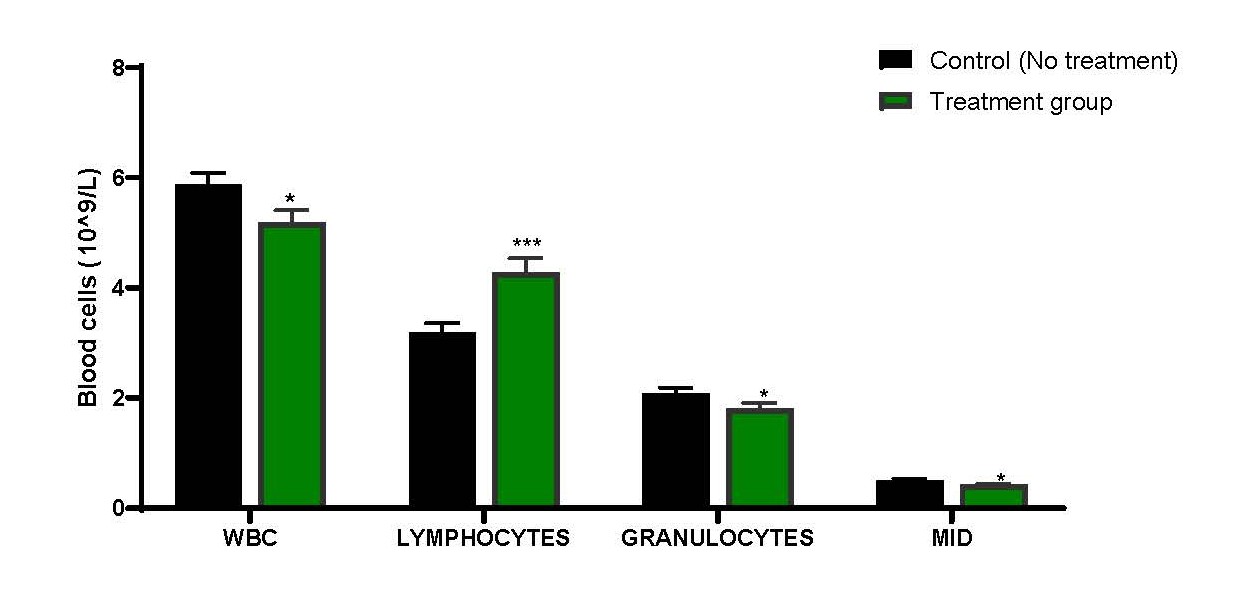
Figure 1. Blood cell parameters: white blood cell (WBC), lymphocytes, granulocytes, mixed cells count (MID) in subjects on treatment with ARTs and treatment-naïve subjects.
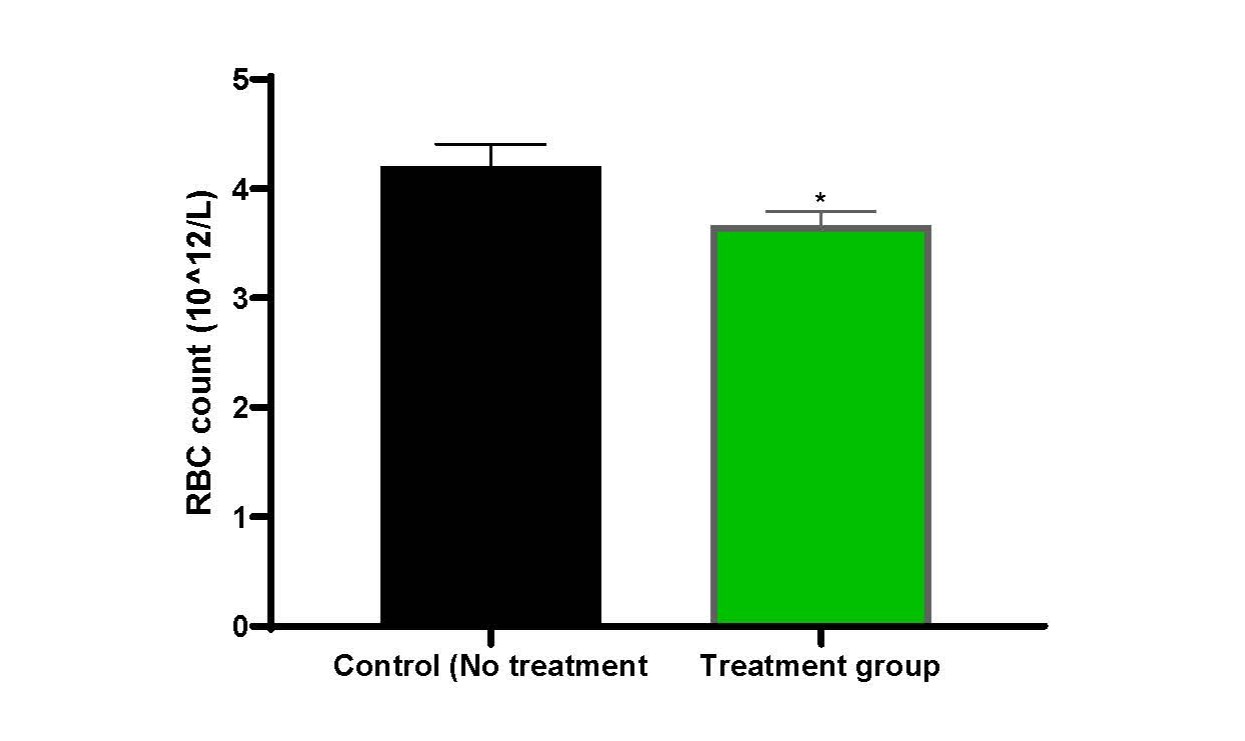
Figure 2. Blood cell parameter: Red blood cell count (RBC) in subjects on treatment with ARTs and treatment-naïve subjects.
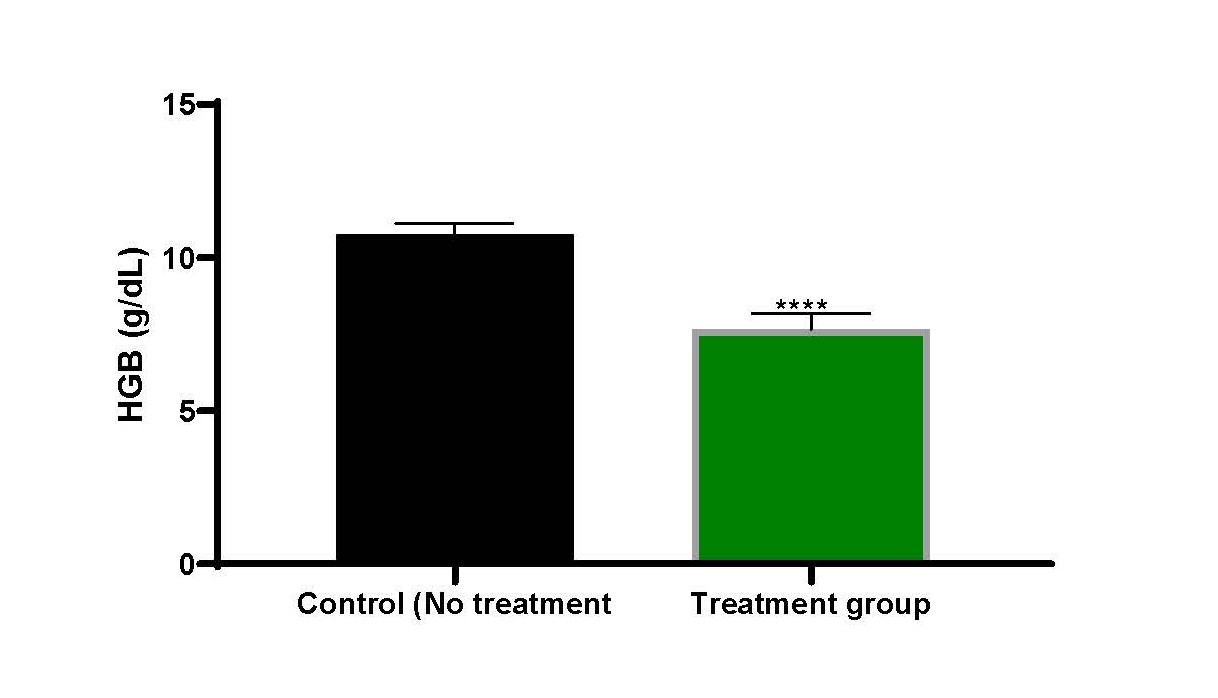
Figure 3. Blood cell parameter: Hemoglobin (HGB) in subjects on treatment and treatment-naïve subjects.
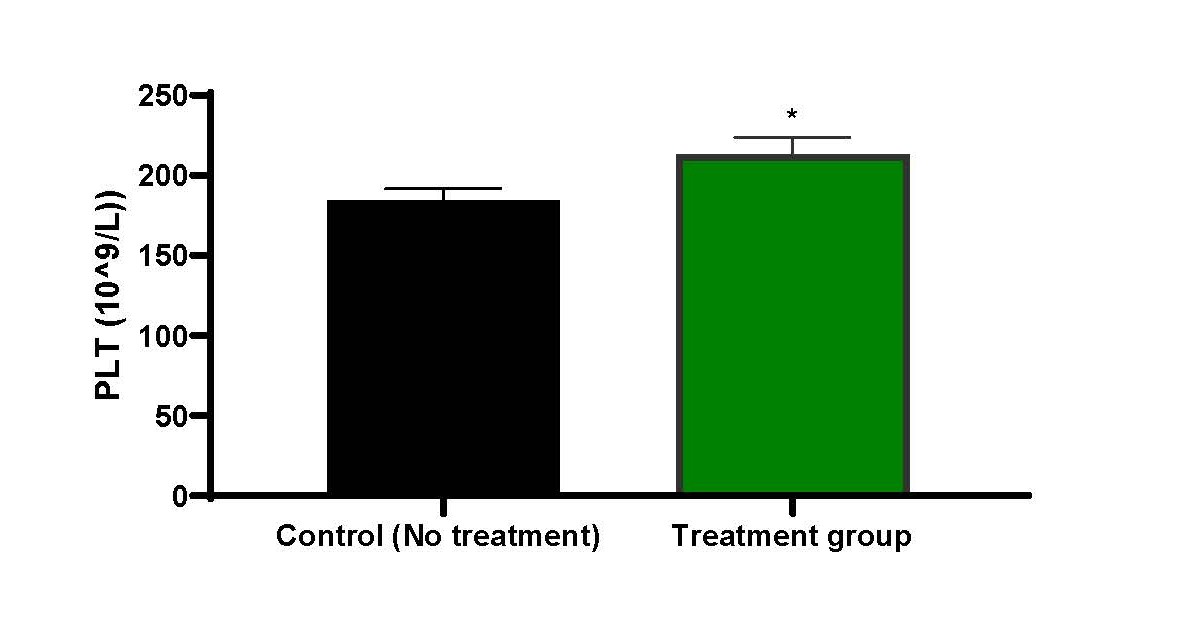
Figure 4. Blood cell parameter: Platelet (PLT) in subjects on ARTs and those not on treatment with ARTs.
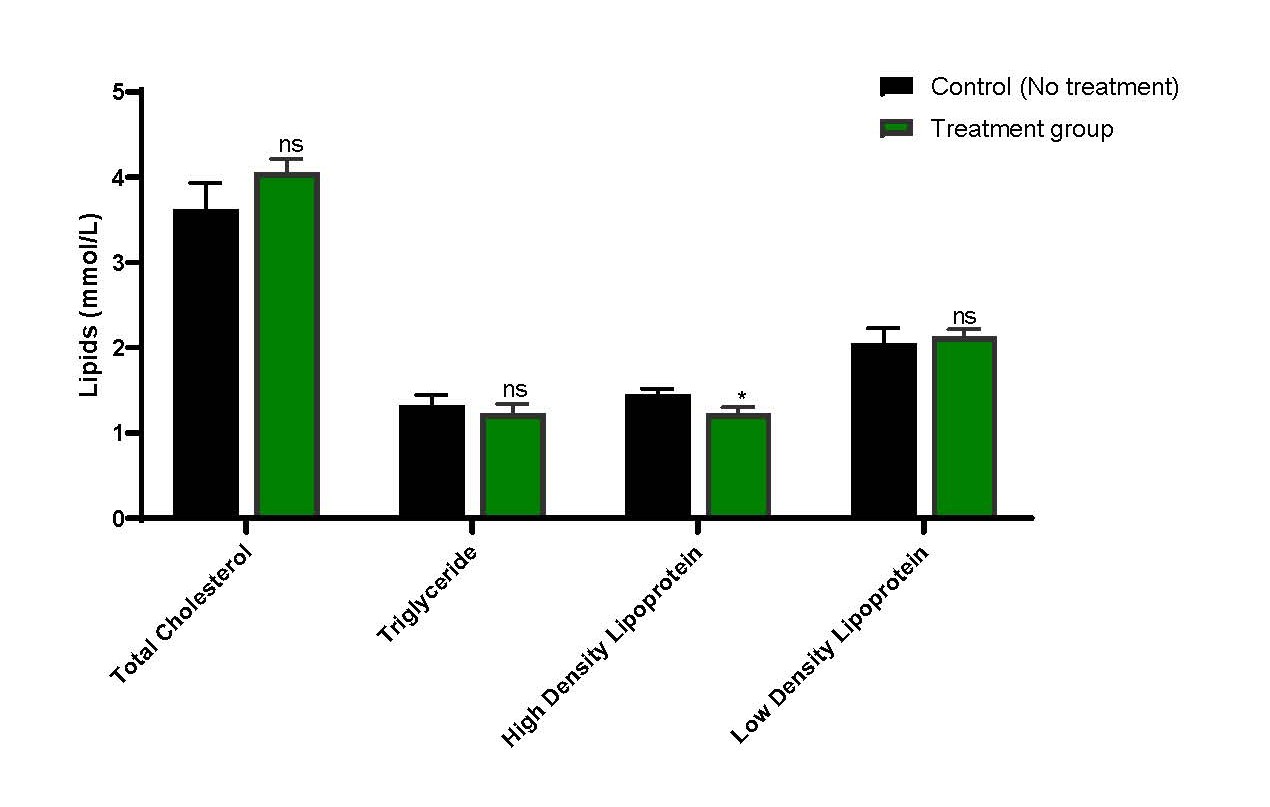
Figure 5. Serum lipid profile in subjects on treatment with ARTs and treatment-naïve subjects.
Discussion
Anemia is noted as the most common hematologic disorders that are prevalent among individuals living with the HIV [9]. This research also assessed hematological parameters. A notable decrease (p<0.05) in WBC, granulocytes, and MID was found in patients receiving ART treatment in comparison to the control. This finding aligns with a prior study that indicated a reduction in WBC following ART treatment [16]. Conversely, Ashenafi et al. [17] observed a different trend. White blood cells have a crucial role in the body’s defense mechanism against pathogens and diseases, engaging in immune responses. They travel through the bloodstream and initiate inflammatory and cellular reactions to injury/pathogens [18]. The decline in the total count of white blood cells, granulocytes, and MID (which includes monocytes, intermediate cells, and dendritic cells) is frequently regarded as a favorable indicator of the treatment's effectiveness, as it can reflect improved immune function, a reduction in opportunistic infections, and a decrease in the direct destruction of blood cells by the virus itself [8].
A marked decline (p<0.05) in RBC count, HGB (p<0.0001), MCH (p<0.001), and MCHC (p<0.0001) was observed in ART-treated HIV subjects when compared to ART-naive subjects (control). Moreover, there was no significant difference (P>0.05) observed in MCV, RDW-SD, and HCT in ART-treated HIV individuals in comparison to control. Okeke et al. [19], Satpute et al., [20], Ngwu and Eneh [21] also reported decreased RBC, MCH, and HGB in HIV subjects on ART when compared with those not on ART. The decrease in RBC, MCH, HGB, and MCHC observed in this study could be due to the ability of ART to suppress the production of red blood cells in the bone marrow causing anemia. While anemia is a reported symptom of HIV [22]. We can also imply that ART may lead to reduction in the number of red blood cells and the level of hemoglobin concentration, without altering size of the red blood cells or overall blood volume relative to the control group [23]. A significant increase in platelet count PLT (p<0.05) was observed in subjects on ART when compared to the control. This suggests that while the total number of platelets and their average size changed significantly with treatment, the variation in size and the proportion of large platelets did not. This might be due to the beneficial effect of active ART in reducing the frequency of thrombocytopenia [24,25]. However, treatment with ART improved the production of platelet cells, and this position might further implicate platelets in the pathogenesis of HIV [8].
Lipid profiling serves as an indicator of cardiometabolic health risk [26]. Dyslipidemia is a medical condition prevalent in individuals diagnosed with HIV/AIDS (PLWHA), which induces CVD [11]. The results obtained from the lipid profiling of subjects show a notable decline (p<0.05) in HDL of subjects on treatment with ART when compared to the ART-naive subjects (control). There was also an insignificant elevation observed in total cholesterol and LDL levels in HIV patients on ART treatment when compared to the control group. The observed decrease in HDL in HIV patients on ART aligns with [11,27–29], which reported that HDL level may remain suboptimal or decrease, and treatment for HIV with ART induces dyslipidemia. In contrast, Lembas et al. [30] reported elevated HDL levels in patients on treatment with ART. The observed decrease in HDL may be a result of the interaction between ART and pregnane X receptor (PXR) [11], and also due to chronic inflammation and immune activation associated with ART [31]. The observed elevated values in total cholesterol and LDL levels, though not significant, is consistent with a report by Lembas et al. [30], where ART-associated dyslipidemia was observed. Moreover, the exact pattern and severity by which ART acts depend on the specific antiretroviral drug. Increased LDL and cholesterol beyond the normal reference range is a threat to cardiometabolic health [32]. Factors such as doses, duration of treatment, and regimen type could have accounted for the pattern of the lipid profile results in this study.
Conclusion
This study allows us to conclude that ART in patients with HIV may lead to ART-related dyslipidemia, characterized by a notable reduction in HDL levels and an elevation in LDL and cholesterol levels, thereby increasing the cardiovascular risk for these patients. The induced changes in the levels of blood cells (RBC, WBC, and platelets) in ART-treated patients further emphasize ART’s impact on hematopoiesis and immune response. These findings emphasize the essential requirement to regularly monitor these parameters, given their impact on patient morbidity and treatment results.
Recommendation
It is however recommended to include regular lipid and hematological profiling in the clinical management of HIV patients undergoing ART to identify and address dyslipidemia and anemia at an early stage. Patients showing lipid abnormalities, particularly decreased HDL and elevated LDL, should receive targeted interventions including lifestyle modification and, if needed, pharmacotherapy to mitigate cardiometabolic risk. Sirtuin 1 activators may need to be consumed in these HIV patients as ART-Sirtuin 1 is critical in the prevention of various chronic diseases especially in the prevention of lipid, hematopoiesis and immune response abnormalities. Plasma Sirtuin 1 levels may need to be measured in HIV patients receiving ART to prevent multiple organ disease syndrome. We would also suggest that tailoring ART regimens based on patient metabolic and hematological profiles to reduce adverse effects and improve tolerability. Lastly, a multidisciplinary approach can be used to engage nutritionists, hematologists, and cardiologists alongside infectious disease specialists to provide comprehensive care addressing the multifactorial effects of HIV and ART.
References
2. Battistini Garcia SA, Zubair M, Guzman N. CD4 Cell Count and HIV. 2025 Jan 19. In: StatPearls [Internet]. Treasure Island (FL): StatPearls Publishing; 2025 Jan–.
3. World Health Organization. HIV/AIDS [Internet]. Geneva: World Health Organization; 2024. Available from: https://www.who.int/data/gho/data/themes/hiv-aids
4. Onovo AA, Adeyemi A, Onime D, Kalnoky M, Kagniniwa B, Dessie M, et al. Estimation of HIV prevalence and burden in Nigeria: a Bayesian predictive modelling study. EClinicalMedicine. 2023 Jul 20;62:102098.
5. Łupina K, Nowak K, Lorek D, Nowak A, Romac A, Głowacka E, et al. Pharmacological advances in HIV treatment: from ART to long-acting injectable therapies. Arch Virol. 2025 Aug 19;170(9):195.
6. Ji J, Guo C, Li Z, Cai M, Wang R, Chen X, et al. Rapid Initiation of Antiretroviral Therapy Suppresses T Cell Pathological Proliferation and Improves Immune Recovery in People Living with HIV. Infect Drug Resist. 2025 Jul 9;18:3427–37.
7. Eggleton JS, Nagalli S. Highly Active Antiretroviral Therapy (HAART) (Archived). 2023 Jul 3. In: StatPearls [Internet]. Treasure Island (FL): StatPearls Publishing; 2023 Jan–.
8. Obeagu EI, Obeagu GU. Platelet index ratios in HIV: Emerging biomarkers for immune health and disease management. Medicine (Baltimore). 2024 Mar 22;103(12):e37576.
9. Cao G, Wang Y, Wu Y, Jing W, Liu J, Liu M. Prevalence of anemia among people living with HIV: A systematic review and meta-analysis. EClinicalMedicine. 2022 Jan 26;44:101283.
10. Obeagu EI, Goryavheva OG, Zubarev MA. Cytopenias in context: ethnoracial hematological trends among HIV-infected Africans and Russians: a review. Ann Med Surg (Lond). 2025 Dec 16;88(1):610–20.
11. Wan Z, Dai B, Zhu X, Huang Y, Zhu B. HIV-associated dyslipidemia: pathogenesis and its management. Chin Med J (Engl). 2023 Nov 20;136(22):2732–4.
12. Allain CC, Poon LS, Chan CS, Richmond W, Fu PC. Enzymatic determination of total serum cholesterol. Clin Chem. 1974 Apr;20(4):470–5.
13. Trinder P. Enzymatic calorimetric determination of triglycerides by GOP-PAP method. Ann Clin Biochem. 1969;6:24–7.
14. Burstein M, Scholnick HR, Morfin R. Rapid method for the isolation of lipoproteins from human serum by precipitation with polyanions. J Lipid Res. 1970 Nov;11(6):583–95.
15. Friedewald WT, Levy RI, Fredrickson DS. Estimation of the concentration of low-density lipoprotein cholesterol in plasma, without use of the preparative ultracentrifuge. Clin Chem. 1972 Jun;18(6):499–502.
16. Damtie S, Workineh L, Kiros T, Eyayu T, Tiruneh T. Hematological Abnormalities of Adult HIV-Infected Patients Before and After Initiation of Highly Active Antiretroviral Treatment at Debre Tabor Comprehensive Specialized Hospital, Northcentral Ethiopia: A Cross-Sectional Study. HIV AIDS (Auckl). 2021 May 4;13:477–84.
17. Ashenafi G, Tibebu M, Tilahun D, Tsegaye A. Immunohematological Outcome Among Adult HIV Patients Taking Highly Active Antiretroviral Therapy for at Least Six Months in Yabelo Hospital, Borana, Ethiopia. J Blood Med. 2023 Oct 20;14:543–54.
18. Tigner A, Ibrahim SA, Murray IV. Histology, White Blood Cell. 2026 Feb 14. In: StatPearls [Internet]. Treasure Island (FL): StatPearls Publishing; 2026 Jan–.
19. Okeke CO, Amilo GI, Ifeanyichukwu M, Ochiabuto OM, Onyemelukwe AO, Ibekailo SN. Effect of HIV infection and antiretroviral therapy duration on reticulocyte count and red cell indices. Int Blood Res Rev. 2014;2:187–97.
20. Satpute J, Sahai S, Patle B. Hematological Profile of Individuals Living with HIV/AIDS: A Comprehensive Study. SSR Inst Int J Life Sci., 2024; 10(3): 5441–7.
21. Martina NA, Chinemerem EJ. Haematological Changes in HIV Subjects Receiving Antiretroviral Treatment in Enugu State University of Science and Technology Teaching Hospital, Enugu, Nigeria. African Journal of Health Sciences. 2022;35(4):417–25.
22. Berhane Y, Haile D, Tolessa T. Anemia in HIV/AIDS Patients on Antiretroviral Treatment at Ayder Specialized Hospital, Mekele, Ethiopia: A Case-Control Study. J Blood Med. 2020 Oct 21;11:379–87.
23. Kaudha R, Amanya R, Kakuru D, Muhumuza Atwooki R, Mutebi Muyoozi R, Wagubi R, et al. Anemia in HIV Patients Attending Highly Active Antiretroviral Therapy Clinic at Hoima Regional Referral Hospital: Prevalence, Morphological Classification, and Associated Factors. HIV AIDS (Auckl). 2023 Oct 12;15:621–32.
24. Metcalf Pate KA, Mankowski JL. HIV and SIV Associated Thrombocytopenia: An Expanding Role for Platelets in the Pathogenesis of HIV. Drug Discov Today Dis Mech. 2011 Summer;8(1-2):e25-e32.
25. Li B, Zhang L, Liu Y, Xiao J, Wang X, Wei Y, et al. Manifestations and Related Risk Factors of Thrombocyte Abnormalities in HIV-Positive Patients Before and After the Initiation of ART. Infect Drug Resist. 2021 Nov 17;14:4809–19.
26. Huang Y, Sulek K, Stinson SE, Holm LA, Kim M, Trost K, et al. Lipid profiling identifies modifiable signatures of cardiometabolic risk in children and adolescents with obesity. Nat Med. 2025 Jan;31(1):294–305.
27. Padmapriyadarsini C, Ramesh K, Sekar L, Ramachandran G, Reddy D, Narendran G, et al. Factors affecting high-density lipoprotein cholesterol in HIV-infected patients on nevirapine-based antiretroviral therapy. Indian J Med Res. 2017 May;145(5):641–50.
28. Ergin HE, Inga EE, Maung TZ, Javed M, Khan S. HIV, Antiretroviral Therapy and Metabolic Alterations: A Review. Cureus. 2020 May 11;12(5):e8059.
29. Savinelli S, Heeney A, Tinago W, Garcia Leon AA, McGettrick P, Cotter AG, et al. People living with HIV on modern antiretrovirals do not display a pro‐atherogenic lipid profile and have similar body composition compared to healthy controls. HIV medicine. 2026 Jan;27(1):86–95.
30. Lembas A, Załęski A, Mikuła T, Kozłowska J, Wiercińska-Drapało A. Changes in the lipid profile in people with HIV after one year of antiretroviral therapy - the significance of immune parameters. IJID Reg. 2025 Feb 13;14:100602.
31. Funderburg NT, Mehta NN. Lipid Abnormalities and Inflammation in HIV Inflection. Curr HIV/AIDS Rep. 2016 Aug;13(4):218–25.
32. Castela Forte J, Gannamani R, Folkertsma P, Kumaraswamy S, Mount S, van Dam S, et al. Changes in Blood Lipid Levels After a Digitally Enabled Cardiometabolic Preventive Health Program: Pre-Post Study in an Adult Dutch General Population Cohort. JMIR Cardio. 2022 Mar 23;6(1):e34946.