

Loading
Archives of Cancer Biology and Therapy
ISSN: 2692-8302
Volume 1, Issue 1, p1-24
Articles published in this issue are Open Access and licensed under Creative Commons Attribution License (CC BY NC) where the readers can reuse, download, distribute the article in whole or part by mentioning proper credits to the authors.
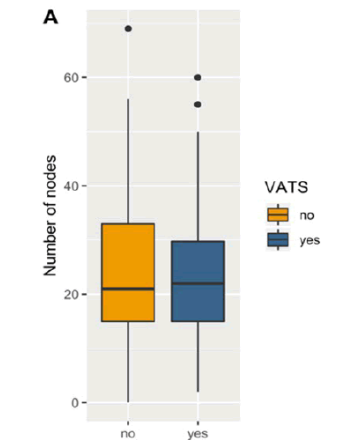
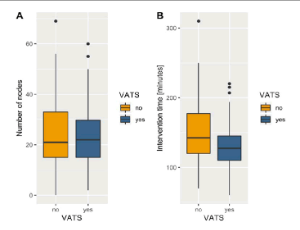
Uniportal VATS Lobectomy for Lung Cancer: Feasibility and Cost Effectiveness in a Single Center Experience
In last decades, video-assisted thoracic surgery (VATS) together with robotic-assisted thoracic surgery (RATS) can be considered the biggest innovation in thoracic surgery. This approach drastically changed the way of performing surgical operations, improving patient’s outcome undergoing thoracic surgery.
Arch Cancer Biol Ther, 2020, Volume 1, Issue 1, p1-10 | DOI: 10.33696/cancerbiology.1.001
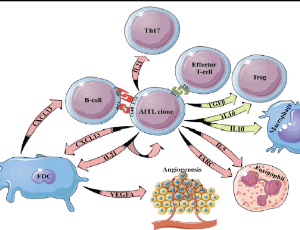
Angioimmunoblastic T cell Lymphoma Microenvironment
Angioimmunoblastic T cell lymphoma (AITL) is one of the most common T-cell lymphomas, second only to peripheral T-cell lymphoma not otherwise specified (PTCL-NOS). Initially AITL was considered a non-malignant lymphadenopathy with immune hyperactivation, nowadays being classified as a PTCL.
Arch Cancer Biol Ther, 2020, Volume 1, Issue 1, p11-13 | DOI: 10.33696/cancerbiology.1.002
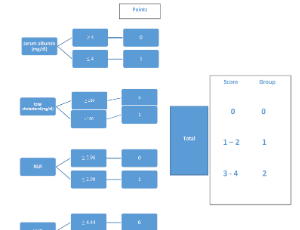
Searching for Easy Reliable Prognostic Parametres in Colorectal Cancer Patients Evaluation
Tumor node metastasis (TNM) staging system is the most useful method in predicting prognosis of colorectal cancer (CRC), the third most common cause of death worldwide, even if other biological markers are currently under evaluation to assess their role in affecting CRC outcome and planning the best tailored therapeutic approach. Several molecular factors are being demonstrated to be effective in influencing both overall survival (OS) and disease-free survival (DFS) in CRC, acting on different aspects of tumor promoting and progression.
Arch Cancer Biol Ther, 2020, Volume 1, Issue 1, p14-17 | DOI: 10.33696/cancerbiology.1.003
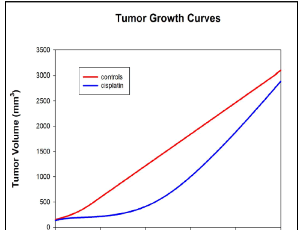
Impact of Cisplatin Dosing Regimens on Mammary Tumor Growth in an Animal Model
In a recent paper, we introduced a variant of the classical Simeoni tumor growth model, and illustrated its value in assessing tumor growth in a reproducible mouse model for mammary tumors. Our modification consisted of incorporating delay differential equations in the mathematical formulation of the Simeoni model, to represent the delay in drug action often observed under chemotherapeutic or immunotherapeutic regimens.
Arch Cancer Biol Ther, 2020, Volume 1, Issue 1, p18-21 | DOI: 10.33696/cancerbiology.1.004
Lessons Learnt from COVID-19: How Can We Prepare for Another Pandemic?
Five months into the COVID-19 pandemic, the U.S. death toll from the virus has now surpassed 100,000 people. Many more cases remain nationwide, while an unknown number of patients currently harbor the virus asymptomatically. While health officials are now optimistic regarding the decline in prevalence and number of deaths due to COVID-19 and the possibility of a vaccine by the fall, we cannot lose sight of the bigger picture: the next pandemic.
Arch Cancer Biol Ther, 2020, Volume 1, Issue 1, p22-24 | DOI: 10.33696/cancerbiology.1.005
Chimeric Antigen Receptor CAR NK Cells Emerging Immunotherapy for the Treatment of Cancer
Although NK cells are recognized as effector lymphocytes of the innate immune system, they also regulate the adaptive immune response by releasing inflammatory cytokines and developing immunological memory. Unlike other lymphocytes such as T or B cells, NK cells do not express rearrangeable, antigen-specific receptors.
Emerging Role of TRPML1 Mucolipin Endolysosomal Channel in Cancer
The transient receptor potential mucolipin 1 (TRPML1) is an endolysosomal channel belonging to the TRP family. Clinically, mutations of TRPML1 have been responsible for a severe lysosomal storage disorder called mucolipidosis type IV.
COVID-19 Clinical Research
While the global COVID-19 pandemic has challenged the entire humanity and health systems, it also triggered researchers to urgently perform clinical trials to assess the safety and efficacy of many agents and modalities to combat COVID-19. As of April 22, over 650 clinical studies have been registered both in USA and internationally. Results from these studies are also coming at a brisk pace in this unprecedented emergency.
Uniportal VATS Lobectomy for Lung Cancer: Feasibility and Cost Effectiveness in a Single Center Experience
In last decades, video-assisted thoracic surgery (VATS) together with robotic-assisted thoracic surgery (RATS) can be considered the biggest innovation in thoracic surgery. This approach drastically changed the way of performing surgical operations, improving patient’s outcome undergoing thoracic surgery.
A Bioinformatics Protocol for Rational Design of Peptide Vaccines and the COVID-19 Rampage
The currently ongoing coronavirus pandemic, the SARSCOV- 2, interchangeably referred to as the COVID-19 infection, has in a short span of time altered the ways and means of almost all of mankind. So strong has been its effect that all human activity ceased in one way or another for a considerable time, led to significant loss of life and economic drain of.
Angioimmunoblastic T cell Lymphoma Microenvironment
Angioimmunoblastic T cell lymphoma (AITL) is one of the most common T-cell lymphomas, second only to peripheral T-cell lymphoma not otherwise specified (PTCL-NOS). Initially AITL was considered a non-malignant lymphadenopathy with immune hyperactivation, nowadays being classified as a PTCL.
Circulating Cell-Free RNA: A New Perspective for Endometrial Cancer
In order to implement the knowledge of cancer to monitor its evolution and setting, in the last decade, new minimally invasive and repeatable samples collection have been developed such as liquid biopsy. Cancer biomarkers originating from tumors can represent the molecular status of the tumor or its metastases which release them directly into body fluids or indirectly due to disruption of tumor/metastatic tissue. These biomarkers are detectable in liquid biopsy.
Searching for Easy Reliable Prognostic Parametres in Colorectal Cancer Patients Evaluation
Tumor node metastasis (TNM) staging system is the most useful method in predicting prognosis of colorectal cancer (CRC), the third most common cause of death worldwide, even if other biological markers are currently under evaluation to assess their role in affecting CRC outcome and planning the best tailored therapeutic approach. Several molecular factors are being demonstrated to be effective in influencing both overall survival (OS) and disease-free survival (DFS) in CRC, acting on different aspects of tumor promoting and progression.
Impact of Cisplatin Dosing Regimens on Mammary Tumor Growth in an Animal Model
In a recent paper, we introduced a variant of the classical Simeoni tumor growth model, and illustrated its value in assessing tumor growth in a reproducible mouse model for mammary tumors. Our modification consisted of incorporating delay differential equations in the mathematical formulation of the Simeoni model, to represent the delay in drug action often observed under chemotherapeutic or immunotherapeutic regimens.
How Well Do Hemodialysis Patients Respond to the BNT162b2 mRNA COVID-19 Vaccine?
In January 2020, the World Health Organization (WHO) classified COVID-19 to be a Public Health Emergency of International Concern and declared it a pandemic on March 11, 2020 [1]. Over one hundred and eighty-five million people have been infected by SARS-CoV-2 and roughly four million have died worldwide so far
Sentinel Lymph Node Biopsy after Neoadjuvant Chemotherapy for Breast Cancer
Breast cancer is the second most common cancer worldwide, affecting nearly one in eight women. Accurate cancer staging is essential for determining the patient’s prognosis and for choosing the appropriate treatment. The staging system most often used is the American Joint Committee on Cancer (AJCC) TNM system, where T refers to the size of the tumor, N refers to spread of the primary cancer to nearby lymph nodes, and M refers to the spread of metastasis to distant sites in the body.
Platelet Hyperactivity and Dysfunction in Diabetes and Cancer
However, the entire coagulation cascade is dysfunctional, in progressed chronic diabetes and cancer patients. Platelets (PLTs) in type 2 diabetic (DT2) involved in Thrombosis and Haemostasis (T&H) of individuals adhere to vascular endothelium and aggregate more voluntarily than those in healthy individuals, as are abnormalities in the microvascular and macrovascular circulations. However it is already known that the circulating PLTs are essential for T&H, inflammation growth factors delivery, regeneration; and knowledge of their function is fundamental to understanding the pathophysiology of vascular disease in diabetes and cancer-related diseases.
Safety and Efficacy of s-MOX Regimen in Patients with Colorectal Cancer Who Developed Cardiotoxicity Following Fluoropyrimidine Administration: A Case Series
Fluoropyrimidines compose the backbone of regimens to treat many common solid tumors, including gastrointestinal (GI), breast and head/neck. As we continue to use these agents routinely, recognition of rare but real toxicities, such as cardiotoxicity, has also improved. The treatment options for patients who have encountered fluoropyrimidine-induced cardiotoxicity are limited as many anti-angiogenic drugs also pose a cardiac risk.
Surgery Versus Radiation Therapy for Early-Stage Lung Cancer: Patient Selection is Crucial
Lung cancer remains the leading cause of cancer related death in the United States with mortality rates surpassing breast, prostate, brain, and colorectal cancers combined. Recent data shows that susceptibility for both men and women for developing invasive lung and bronchogenic carcinoma peak after the age of 70 years.
SorLA Targeting - A Method to Overcome Therapy Resistance in Breast Cancer
In breast cancer, tyrosine kinase-type cell surface receptor HER2-targeted therapies do not achieve a sustained inhibition of oncogenic signaling. Therapy-resistant tumors compensate for HER2 inhibition through several mechanisms, including increased expression of other cell-surface receptors most notably HER3. HER3 remains currently undruggable despite extensive clinical efforts. Durable efficacy of HER2-based therapy regimens requires, therefore, effective inhibition of HER2 and HER3.
Commentary on “Epigenetically Altered T Cells Contribute to Lupus Flares”
The recently published manuscript entitled “Epigenetically Altered T Cells Contribute to Lupus Flares” summarizes recent advances in our understanding of how the environment alters the immune system to cause flares of systemic lupus erythematosus (SLE) in genetically predisposed people, and why it affects women approximately 9 times more often than men
Neoadjuvant Chemotherapy Followed by Fertility Sparing Surgery in Stage 1B2 Cervical Cancer
In 2020 we published a series of 18 patients who underwent neoadjuvant chemotherapy (NACT) and vaginal radical trachelectomy (VRT) as a fertility sparing alternative in stage 1B2 cervical cancer.
Cancer Nanomedicine: Strategies to Enhance Tumor Delivery and Immunotherapy
Cancer nanomedicine was originally developed for more efficient delivery of chemotherapeutic agents into tumor, and has been extensively employed as a therapeutic for cancer treatment owing to its unique features in drug delivery, diagnosis and imaging, as well as the therapeutic nature of some nanomaterials themselves.
Relationship of lncRNA to Breast Cancer
At present, breast cancer is more frequently diagnosed in women than in men. According to global cancer statistics, each year more than 1,675,000 women are diagnosed and more than 500,000 of them die. Some subtypes of breast cancer have been described.
Cellular Response to Stress: At the Crossroads between Immunosenescence and Cancer
Aging is a complicated process not yet fully understood. Driven by a variety of stressors such as infectious agents, radiation, intracellular stress, and stressing metabolic conditions, molecular damage occurs over time [1]. Among many consequences, age-related unchecked molecular damage leads to immunosenescence, a hallmark of aging. Traditionally defined as a declining function of the immune system, immunosenescence is a term that includes the effect of aging on adaptive and innate immunity [2].
Scientific Archives is a global publisher initiated with the mission of ensuring equal opportunity for accessing science to research community all over the world. Spreading research findings with great relevance to all channels without any barrier is our goal. We want to overcome the challenges of Open Access with ensured quality and transparency.