

Loading
Journal of Diabetes and Clinical Research
ISSN: 2689-2839

Volume 1, Issue 1, p1-36
Articles published in this issue are Open Access and licensed under Creative Commons Attribution License (CC BY NC) where the readers can reuse, download, distribute the article in whole or part by mentioning proper credits to the authors.
Integrated Community Diabetes Model: Future of Diabetes Services and Way Forward?
Prevalence of diabetes is increasing. Diabetes is more prevalent in the socially deprived, ethnic minority population (based on continuing rise in elderly population, growing obesity and BME groups). Compliance is a major stumbling block in the management of most long-term conditions including diabetes.
J Diabetes Clin Res, 2019, Volume 1, Issue 1, p1-1 | DOI: 10.33696/diabetes.1.001

Global Syndemic of Metabolic Diseases: Editorial Comments
Editorial is usually a brief article, written by the editor that expresses publishers or journals collective views on a current issue. As an Emeritus Professor, I have taken the liberty of writing these editorial comments, at the invitation of the Editorial Board of the Journal of Diabetes and Clinical Research.
J Diabetes Clin Res, 2019, Volume 1, Issue 1, p2-4 | DOI: 10.33696/diabetes.1.002

The Profiling and Role of miRNAs in Diabetes Mellitus
Diabetes mellitus (DM) is an age-related metabolic disorder affecting 347 million people in modern society. Expanding its prevalence beyond developed countries, DM has emerged as a global public health issue associated with a high morbidity and mortality.
J Diabetes Clin Res, 2019, Volume 1, Issue 1, p5-23 | DOI: 10.33696/diabetes.1.003

Diabetes Mellitus and Dengue
Diabetes mellitus is a common metabolic disorder that present with abnormal glucose metabolism. This metabolic disease is prevalent in many countries, worldwide. It is no doubt there might be a chance that diabetes mellitus might co-occur with other medical problems.
J Diabetes Clin Res, 2019, Volume 1, Issue 1, p24-25 | DOI: 10.33696/diabetes.1.004

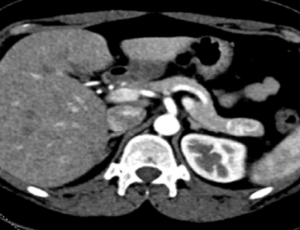
The Clinical Utility of Outpatient Continuous Glucose Monitoring in Establishing Insulinoma Diagnosis in a Patient with Impaired Nocturnal Hypoglycemia Awareness
Insulinomas are insulin secreting tumors arising from spontaneous mutations of the ductal, acinar, or islet cells of the pancreas. They are rare, having an incidence of only four cases per million people per year. Patients typically present with fasting hypoglycemia, experiencing neurologic symptoms like confusion, changes in vision, or abnormal behavior and autonomic symptoms like palpitations, diaphoresis, or tremulousness.
J Diabetes Clin Res, 2019, Volume 1, Issue 1, p26-36 | DOI: 10.33696/diabetes.1.005
Platelet Hyperactivity and Dysfunction in Diabetes and Cancer
However, the entire coagulation cascade is dysfunctional, in progressed chronic diabetes and cancer patients. Platelets (PLTs) in type 2 diabetic (DT2) involved in Thrombosis and Haemostasis (T&H) of individuals adhere to vascular endothelium and aggregate more voluntarily than those in healthy individuals, as are abnormalities in the microvascular and macrovascular circulations. However it is already known that the circulating PLTs are essential for T&H, inflammation growth factors delivery, regeneration; and knowledge of their function is fundamental to understanding the pathophysiology of vascular disease in diabetes and cancer-related diseases.
How Traditional Healers Diagnose and Treat Diabetes Mellitus in the Pretoria Mamelodi Area and How Do These Purported Medications Comply with Complementary and Alternative Medicine Regulations
In South Africa, new amended regulations required a review of complementary and alternative medicine (CAMs) call-up for registration from November 2013. This impacted traditional healers (THs)’ compliance with the regulatory authorities’ on the good manufacturing practice which in return affected the public’s access to CAMs. This investigation embraces methods, THs use to diagnose and treat diabetes (DM) in Mamelodi. Furthermore, it assesses what their purported medications comprise of.
The Link of Nutrient Fluxes to Hepatic Insulin Resistance at Gene Expression
Results of epidemiological studies show that obesity and type 2 diabetes mellitus have become a public health concern globally, which has substantial health, social and economic impacts. A common characteristic of human obesity and type 2 diabetes is insulin resistance, which a given amount of insulin produces less than normal physiological responses, usually demonstrated as diminished glucose lowering effect of insulin.
Improving Obesity and Insulin Resistance by Targeting Skeletal Muscle MKP-1
Obesity has reached a global epidemic and it predisposes to the development of insulin resistance, type 2 diabetes and related metabolic diseases. Current interventions against obesity and/or type 2 diabetes such as calorie restriction, exercise, genetic manipulations or established pharmacological treatments have not been successful for many patients with obesity and/or type 2 diabetes.
Integrated Community Diabetes Model: Future of Diabetes Services and Way Forward?
Prevalence of diabetes is increasing. Diabetes is more prevalent in the socially deprived, ethnic minority population (based on continuing rise in elderly population, growing obesity and BME groups). Compliance is a major stumbling block in the management of most long-term conditions including diabetes.
The Profiling and Role of miRNAs in Diabetes Mellitus
Diabetes mellitus (DM) is an age-related metabolic disorder affecting 347 million people in modern society. Expanding its prevalence beyond developed countries, DM has emerged as a global public health issue associated with a high morbidity and mortality.
Diabetes Mellitus and Dengue
Diabetes mellitus is a common metabolic disorder that present with abnormal glucose metabolism. This metabolic disease is prevalent in many countries, worldwide. It is no doubt there might be a chance that diabetes mellitus might co-occur with other medical problems.
The Clinical Utility of Outpatient Continuous Glucose Monitoring in Establishing Insulinoma Diagnosis in a Patient with Impaired Nocturnal Hypoglycemia Awareness
Insulinomas are insulin secreting tumors arising from spontaneous mutations of the ductal, acinar, or islet cells of the pancreas. They are rare, having an incidence of only four cases per million people per year. Patients typically present with fasting hypoglycemia, experiencing neurologic symptoms like confusion, changes in vision, or abnormal behavior and autonomic symptoms like palpitations, diaphoresis, or tremulousness.
Commentary: A Herbal Treatment for Type 2 Diabetes – The Dangers of Adulterated and Falsified Products
In 2018, our group published a letter in The Lancet detailing a case in which a patient had taken a herbal preparation to treat her diabetes [1]. In essence, our laboratory was approached by the treating physician after the patient, a 58 year old lady of south Asian origin with a 30 year history of type 2 diabetes said that, during the previous two years, she had replaced some of her prescribed anti-diabetic medication with a herbal remedy purchased in India.
Obesity, Family History of Diabetes, and Consanguineous Marriages are Risk Factors among Urban Population in South Indian City of Bengaluru
In 2017, approximately 424.9 million adults (age 20- 79 yrs) were affected by diabetes, with 4 million deaths. Global diabetes burden is estimated to increase up to 628.9 million people. Moreover, diabetes care costed approximately $727 billion in 2017.
Cut-off Value of Random Blood Glucose among Asian Indians for Preliminary Screening of Persons with Prediabetes and Undetected Type 2 Diabetes Defined by the Glycosylated Haemoglobin Criteria
Type 2 diabetes (T2D) remains undiagnosed for many years in large number of persons living in developing countries. The cost of diagnostic tests and the invasive procedures involved in conventional screening methods remain a major setback to timely testing
Can Vitamin D Supplementation Reduce Insulin Resistance and Hence the Risks of Type 2 Diabetes?
The question of whether or not correction of vitamin D deficiency might reduce the risks of later type 2 diabetes mellitus (T2DM) has been under debate for many decades. The necessity of vitamin D for normal insulin secretion was first identified experimentally in the 1980s.
Identification of Risk Markers for Poorly Controlled Type 2 Diabetes Mellitus: A Retrospective Cross-Sectional Study with Focus on Quality Assurance Based on Real World Data
Type 2 diabetes mellitus (T2DM) is a metabolic disease defined by hyperglycemia. If not treated, chronic and even short periods (i.e. weeks) of undesirable hyperglycemia increases the risk for developing diabetic microvascular complications such as retinopathy, neuropathy, nephropathy, foot ulcers and amputations, and macrovascular complications such as cardiovascular disease including stroke
Physiotherapy Exercise Program for Managing Adhesive Capsulitis in Patients with and without Diabetes: A Pilot Randomized Trial
Adhesive capsulitis (AC), also known as ‘frozen shoulder’, is characterized by the development of dense adhesions and capsular thickening leading to a progressive and painful restriction of shoulder range of motion (ROM) and functional disability [1]. The onset is gradual, usually occurs between the ages of 40 and 60 years and is more common in females and diabetics.
Oral Lactulose – A Safe and Effective Strategy for the Management of Constipation in Individuals with Impaired Glucose Tolerance and Diabetes
Lactulose, either as crystals or liquid syrup, is a frequently prescribed osmotic laxative agent in patients with diabetes mellitus (DM). During the manufacturing process, carbohydrate impurities can arise which could increase blood glucose levels with a possible impact on glycemic control. This important issue has now been addressed for the first time in individuals with type 2 DM. A recent RCT confirmed that there is no need to consider carbohydrate impurities in oral lactulose products administered at the recommended doses of 20 g/day and 30 g/day for blood glucose management.
Commentary on – ISPAD Clinical Practice Consensus Guidelines: Fasting during Ramadan by Young People with Diabetes
This is a commentary on the recent work by our group on fasting during Ramadan by young people with diabetes which was published as ISPAD Clinical Practice Consensus Guidelines. In this commentary, themes of selected studies published following the guidelines release are highlighted.
Hyperglycemia and diabetes in hospitalized patients with COVID-19
The prevalence of diabetes in COVID-19 patients ranges from 5.3% to 58% representing the second comorbidity after hypertension. However, when adjusted for age, diabetes prevalence among COVID-19 patients is similar to its prevalence in the general population.
Resveratrol Treatment Reduces Neuromotor Impairment and Hearing Loss in a Mouse Model of Diabetic Neuropathy and Nerve Injury
In the peripheral nervous system (PNS), Schwann cells (SCs) are responsible for myelin production, which contributes to axonal protection and allows for efficient action potential transmission. Unfortunately, acquired and hereditary demyelinating diseases of the PNS are numerous and affect an increasing number of people.
Risks and Prevalence of Diabetic Retinopathy in Children and Young People with Type 1 Diabetes Mellitus
Type 1 diabetes (T1D) is associated with microvascular and macrovascular complications.Duration of diabetes, poor glycaemic control, high blood pressure and proteinuria are reported risk factors contributing to the development of diabetes related complications.
The Impact of the COVID-19 Pandemic Lockdown Measures on Diabetic Retinopathy Services in the East Kent Area of the United Kingdom - A Special Focus on the Pregnant Diabetic
The COVID-19 pandemic has shaped activities across almost all human endeavours. Changes are still ongoing to accommodate all the challenges it poses. The healthcare sector, working closely with governments of nations and regulatory agencies, has helped to control the impact of this highly contagious virus.
Scientific Archives is a global publisher initiated with the mission of ensuring equal opportunity for accessing science to research community all over the world. Spreading research findings with great relevance to all channels without any barrier is our goal. We want to overcome the challenges of Open Access with ensured quality and transparency.