Loading


Journal of Physical Medicine and Rehabilitation
ISSN: 2690-0297
Latest Articles
A 6-week Lagree Intervention Improves Functional Movement, Dynamic Balance, and Muscular Endurance—A Case Series
Mayrena Isamar Hernandez , Samuel T. Lauman , Jose N. Romo , Nia Matthews , Mary L. Williams , Christopher D. Greenleaf , Cynthia Trowbridge , Harsh H. Buddhadev
Lagree Methodology is a new multimodal exercise approach that is rapidly gaining popularity, and it claims to improve areas such as muscular endurance, balance, functional movements. However, no research has prospectively examined these effects. The purpose of this case series study was to determine the effectiveness of a 6-week Lagree methodology program on functional performance and balance in healthy adults.
J Phys Med Rehabil, 2026, Volume 8, Issue 1, p17-24 | DOI: 10.33696/rehabilitation.8.060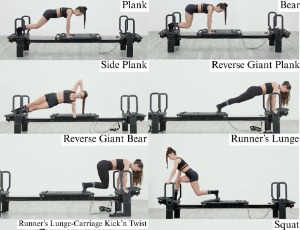
Septic Pubic Symphysis Osteomyelitis in a Tetraplegic Patient: An Overlooked Cause of Autonomic Dysreflexia
Alicia Badts , Antoine Royer
Autonomic dysreflexia is a serious and potentially life-threatening complication of spinal cord injury occurring at T6 or above. It is most often triggered by a sublesional irritative stimulus, typically involving the urinary or gastrointestinal tract. Although common causes are well recognized, less typical etiologies may complicate the clinical picture.
J Phys Med Rehabil, 2026, Volume 8, Issue 1, p1-4 | DOI: 10.33696/rehabilitation.8.057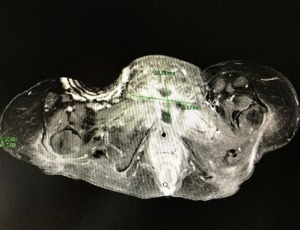
Focal Dystonia in Complex Regional Pain Syndrome: Can Surgery Make Both Better?
Michelle L. Andary , Ian S. Ackers , Cheryl N. Craig , Brian G. Loder , Michael T. Andary , Geoffrey K. Seidel
Objective: This case aims to describe a rare case of complex regional pain syndrome type II (CRPS II) associated with tibial nerve entrapment and dystonia, and to highlight the role of electrodiagnostic (EDX) testing in identifying a potentially treatable peripheral nerve lesion. Methods: We report a rare case of CRPS II involving the tibial nerve with associated dystonia, painful paresthesia’s, and autonomic changes in the right foot.
J Phys Med Rehabil, 2026, Volume 8, Issue 1, p5-9 | DOI: 10.33696/rehabilitation.8.058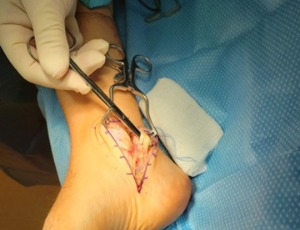
Quantifying Clinical Outcomes of IDD Therapy in Patients with Cervical and Lumbar Disc Bulges and Herniations
Samuel Bartrom , Esa Syed , Tyler Graham
Lumbar and cervical disc herniations and bulges are common causes of pain and disability, with conservative, non-invasive treatments recommended as first-line interventions. Intervertebral Differential Dynamics (IDD) Therapy is a form of targeted spinal decompression that aims to reduce disc pressure and promote healing. While some studies question the efficacy of traction-based therapies, others suggest potential benefits.
J Phys Med Rehabil, 2026, Volume 8, Issue 1, p10-16 | DOI: 10.33696/rehabilitation.8.059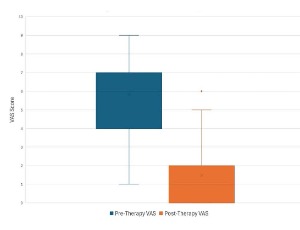
Treatment of Pelvic Pain Using Systemic Manual Therapy
Adi Halili
Background: The purpose of this study is to test the effectiveness of physical therapy treatment for non-specific pelvic pain using Systemic Manual Therapy (SMT). This study evaluates outcomes across episode of care and after implementation of specific SMT protocols. Design: Computerized decision support software (CDSS) analysis of electronic medical records (EMR) using the Halili Physical Therapy Statistical Analysis Tool (HPTSAT) to query EMR.
J Phys Med Rehabil, 2026, Volume 8, Issue 1, p25-30 | DOI: 10.33696/rehabilitation.8.061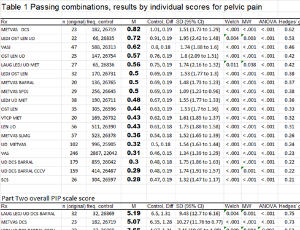
Cervical Non-Surgical Spinal Decompression for Disc Herniation in a Patient with Multiple Sclerosis: A Case Study Using the DRX9000C
Jacob A. Connolly , Amanda M. Gabro , Susan Welsh , Jessie Bexley , Nathan D. Schilaty
Cervical disc herniation (CDH) can produce severe radiculopathy and functional impairment, and management becomes more complex when neurological comorbidities such as multiple sclerosis (MS) are present. This case study reports on a 35-year-old female with CDH at C5–C6 with a concurrent demyelinating MS lesion at the same level, who presented with debilitating cervical pain, marked left upper-extremity weakness (3/5 strength), sensory loss, absent reflexes, and significant activity limitations.
J Phys Med Rehabil, 2026, Volume 8, Issue 1, p31-38 | DOI: 10.33696/rehabilitation.8.062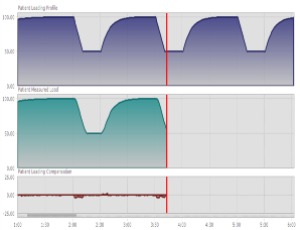
Prosthetics and Orthotics Service Distribution in Ghana: A Geospatial and Demographic Correlation Study
Daniel Opoku-Gyamfi , Akouetevi Aduayom-Ahego , Prince Oduro , Benjamin Acheampong , Joseph Pitoor Bikala , Cecil Owusu Bempah , Christian Kwaku Agbewoavi
The availability and accessibility of Prosthetics and Orthotics (P&O) services in Ghana remain largely unquantified, with anecdotal evidence suggesting significant disparities between urban and rural areas. A quantitative, cross-sectional geospatial design was utilized in this study using Geographic Information Systems (GIS) to map P&O service distribution.
J Phys Med Rehabil, 2026, Volume 8, Issue 1, p39-47 | DOI: 10.33696/rehabilitation.8.063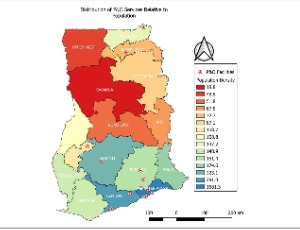
Rehabilitation of a Traumatic Brain Injury Patient with Repetitive Transcranial Magnetic Stimulation: A Case Report
Mohit Kataruka , Puja Sannyashi , Amala Sajeev , Jalil Sk
Traumatic brain injury (TBI) leads to motor deficits and impaired balance and gait, significantly impacting patients’ quality of life. Repetitive transcranial magnetic stimulation (rTMS) aims to increase recovery by modulating cortical plasticity. A male patient in his late 20s presented with tetraplegia and balance impairment for four years after TBI. Initial home-based exercises yielded no significant improvement. The patient subsequently underwent rTMS and neuromotor training over 2 weeks to improve motor control and balance.
J Phys Med Rehabil, 2026, Volume 8, Issue 1, p48-54 | DOI: 10.33696/rehabilitation.8.064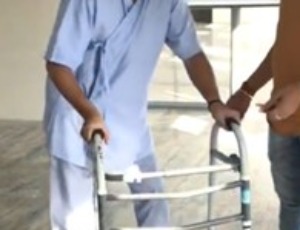
Comparative Effects of Music Therapy, Dance, and Physiotherapy on Emotional States in Parkinson’s Disease
Kirsti Pedak , Toomas Toomsoo , Maria Ines de Magalhaes Cardoso de Oliveira Margato , Alice Pehk
Parkinson's disease (PD) is a neurodegenerative disorder involving motor and non-motor symptoms that reduce quality of life. Non-motor symptoms, including depression, anxiety, fatigue, and sleep disturbances, are often underrecognized despite their significant impact on daily functioning. This study aimed to examine the effects of three group-based rehabilitation interventions on emotional well-being in patients with moderate PD.
J Phys Med Rehabil, 2026, Volume 8, Issue 1, p55-67 | DOI: 10.33696/rehabilitation.8.065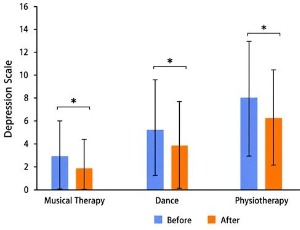
Diagnostic Accuracy of Clinical Shoulder Tests in Establishing the Etiology of Rotator Cuff Related Shoulder Pain
Peter Verspeelt , Martine De Muynck , Guy Vanderstraeten , Astrid Vermeersch , Gaetane Stassijns
Clinical testing is essential in establishing the etiology of non-traumatic Rotator Cuff Related Shoulder Pain. To assess the Sensitivity and Specificity of the Painful Arc test, the Neer test, the Hawkins-Kennedy test, the Jobe or Empty Can test and the Cross-Body-Adduction test in different pathologies of non-traumatic Rotator Cuff Related Shoulder Pain such as bursitis, cuff tendinopathy and cuff tear.
J Phys Med Rehabil, 2026, Volume 8, Issue 1, p68-74 | DOI: 10.33696/rehabilitation.8.066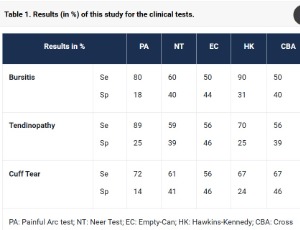
A Mixed Methods Study Evaluating a Four-Week Post-COVID Rehabilitation Program: Insights and Satisfaction of Rehabilitants and Employees
Anna Völkel , Sanny Witt , Jörg Heimsoth , Magnus Friepörtner , Claas Unverferth , Natalie Schüz , Aike Hessel , Anna Levke Brütt
Post-COVID syndrome (PCS) affects about 10% of COVID-19 patients, causing persistent symptoms such as chronic fatigue, cognitive impairments, and depression. These symptoms reduce quality of life and work capacity and are therefore targeted in specialized rehabilitation programs. A rehabilitation center in Germany developed a four-week group-based PCS rehabilitation program focusing on energy management.
J Phys Med Rehabil, 2026, Volume 8, Issue 1, p75-86 | DOI: 10.33696/rehabilitation.8.067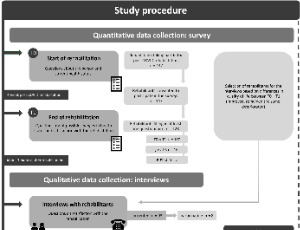
Comparative Effectiveness of High-frequency Repetitive Transcranial Magnetic Stimulation at Ipsilateral Site vs Low-frequency Repetitive Transcranial Magnetic Stimulation at Contralateral Site at Cerebral Cortex on Motor Function Improvement in Stroke Patients – An Observational Study
Mohit Kataruka , Puja Sannyashi , Amala Sajeev , Souvik Bhattacharjee , Boudhayan Das Munshi
Stroke is a medical emergency where blood supply to the brain is cut off (ischemic) or a blood vessel ruptures (hemorrhagic), leading to potential long-term damage, disability, or death. Transcranial magnetic stimulation (TMS) is used in neurological conditions as a non-invasive form of brain stimulation and can promote motor function recovery after a stroke. There is literature demonstrating improvement with high and low-frequency rTMS in stroke patients; however, the literature on these frequencies is limited.
J Phys Med Rehabil, 2026, Volume 8, Issue 1, p87-93 | DOI: 10.33696/rehabilitation.8.068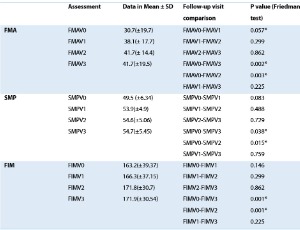
A Retrospective CDSS Analysis to Compare Standardized and Non-Standardized Treatment for Central Sensitization Using Systemic Manual Therapy
Adi Halili , Jessica Mischler
Objective: The purpose of this pilot study is to compare the efficacy and effectiveness of Systemic Manual Therapy (SMT) used in a pragmatic vs. standardized treatment strings across episode of care when treating patients with Central Sensitization (CS). Design: Computerized Decision Support Software (CDSS) retrospective analysis of Electronic Medical Records (EMR) using the Halili Physical Therapy Statistical Analysis Tool (HPTSAT) to query EMR.
J Phys Med Rehabil, 2026, Volume 8, Issue 1, p94-102 | DOI: 10.33696/rehabilitation.8.069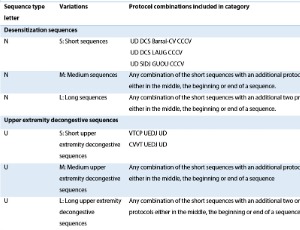
A Comparative Analysis of Modified Tuck Jump Assessment and Landing Error Scoring System for Assessing Lower Limb Injury Risk in Athletes
Amrinder Singh , Malay Shah , Monika Sharma
Lower limb injuries in athletes frequently arise from poor movement mechanics and neuromuscular control, underscoring the importance of early identification of biomechanical deficiencies to prevent injury. The Landing Error Scoring System (LESS) and the Modified Tuck Jump Assessment (MTJA) are established screening tools: LESS assesses landing mechanics, while MTJA evaluates neuromuscular control during repeated jumps.
J Phys Med Rehabil, 2026, Volume 8, Issue 1, p103-110 | DOI: 10.33696/rehabilitation.8.070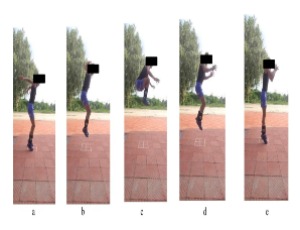
Misalignment of Priorities in Spina Bifida Transition: Perspectives from Patients, Caregivers, and Providers
Devante Frantz Delbrune , Irene Choi , Andrew Zaricor Carey , Kali Mesdijan , Jennika Finup , Lauren Fetsko , Shannon Cannon , Vinaya Bhatia , Walid Farhat , Kristin Ebert
Background: Advances in urologic management have improved survival among individuals with Spina Bifida (SB), making successful transition from pediatric to adult care increasingly important. However, transition remains challenging due to complex medical needs, functional limitations, and healthcare system barriers. We sought to compare patient, caregiver, and provider perspectives on successful transition and identify priorities for improvement.
J Phys Med Rehabil, 2026, Volume 8, Issue 1, p111-119 | DOI: 10.33696/rehabilitation.8.071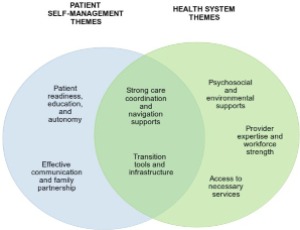
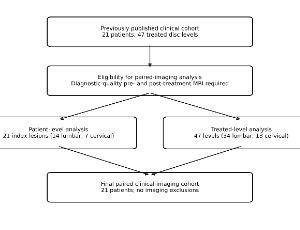
Paired Magnetic Resonance Imaging and Clinical Outcomes Following Intervertebral Differential Dynamics Therapy for Cervical and Lumbar Disc Bulges and Herniations: A Secondary Analysis of a Retrospective Cohort
Tyler Maitland Graham , John Graham
Intervertebral Differential Dynamics (IDD) Therapy is used as a targeted, non-surgical decompression intervention for selected patients with disc-related spinal pain. A previously published cohort reported significant short-term improvements in pain and disability, while paired magnetic resonance imaging (MRI) outcomes were reserved for subsequent analysis.
J Phys Med Rehabil, 2026, Volume 8, Issue 1, p120-131 | DOI: 10.33696/rehabilitation.8.072