Loading
AUTHOR INFO

Etsuro Ito
Department of Biology, Waseda University, Shinjuku, Tokyo 162-8480, JapanArticles List
Importance of Ultrasensitive ELISA in Cancer Research
Daiki Makioka , Etsuro Ito , Kanako Iha
The ultrasensitive ELISA method developed by Watanabe and Ito combines sandwich ELISA and thio-NAD cycling to enable the quantitation of trace amounts of proteins. The ultra-traceability provided by this method makes it possible to quantify extremely small amounts of proteins in small extracellular vesicles called exosomes as well as in urine.
J Cell Immunol, 2023, Volume 5, Issue 1, p10-13 | DOI: 10.33696/immunology.5.157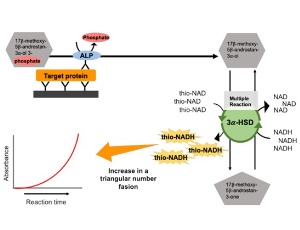
GRP78: A Multifaceted Role in Cancer Progression and Infectious Disease Transmission
Akane Sato , Etsuro Ito
The 78-kDa glucose-regulated protein GRP78, also known as HSPA5 or BiP, is a heat shock protein 70 family member that promotes functions of the endoplasmic reticulum, such as protein folding and assembly, prevention of aggregation of misfolded proteins, translocation of secreted proteins, and initiation of the unfolded protein response. GRP78 may also be a cancer marker. When small extracellular vesicles containing GRP78 are released from cancer cells, recipient cells exhibit enhanced malignant progression and angiogenesis.
J Cell Immunol, 2025, Volume 7, Issue 1, p9-13 | DOI: 10.33696/immunology.7.217
Co Authors