

Abstract
Since ancient times, plants have been used for the treatment of various ailments, including blood-related disorders. The most common problem which people face today is mainly anemia; however, many other conditions, including thalassemia, myeloid leukemia, lymphoblastic leukemia etc., are also of major concern. Plants are primarily used as dietary supplements for the prevention of anemia to a significant extent. However, the lack of a detailed explanation of the exact mechanism for the preventive action shown by the plants makes it difficult to understand the ancient concept of plant-based preventive care. Many of the plants mentioned have also been used for centuries in the Indian traditional medicinal system, Ayurveda and other traditional medicinal systems. However, the scientific investigation of the mechanism behind their preventive role is still a matter of investigation. This review aims to highlight the importance of edible plants that are useful for treating anemia and other blood disorders. The scientific explanation of the preventive role exhibited by these plants is still unclear, but they are still used for edible purposes, making them valuable to prevent anemia-like conditions.
Keywords
Edible plants, Phytochemicals, Ayurveda, Anemia
Introduction
The ancient medicinal system of Ayurveda highlights the role of diet in remaining healthy and disease-free. Plants form the essential diet in Indian households, and much emphasis is laid on eating proper food at the right time interval. In recent research conducted it was found that many of the plant species widely used as vegetables in Indian cuisines are also used medicinally for the treatment of various diseases. The phytochemicals present in plants are mainly responsible for the beneficial and curative actions [1]. Globally, among the blood-related disorders most commonly encountered is anemia, i.e., a reduction in blood cells due to various reasons. It can also be indicative of any other underlying disease in a person, which seems to be diagnosed with great difficulty. It usually occurs due to chronic blood loss, malignancy, infection, increased hemolysis, endocrine disorders, bone marrow disorders and some other diseases [2]. The classification of anemia is shown in Figure 1.
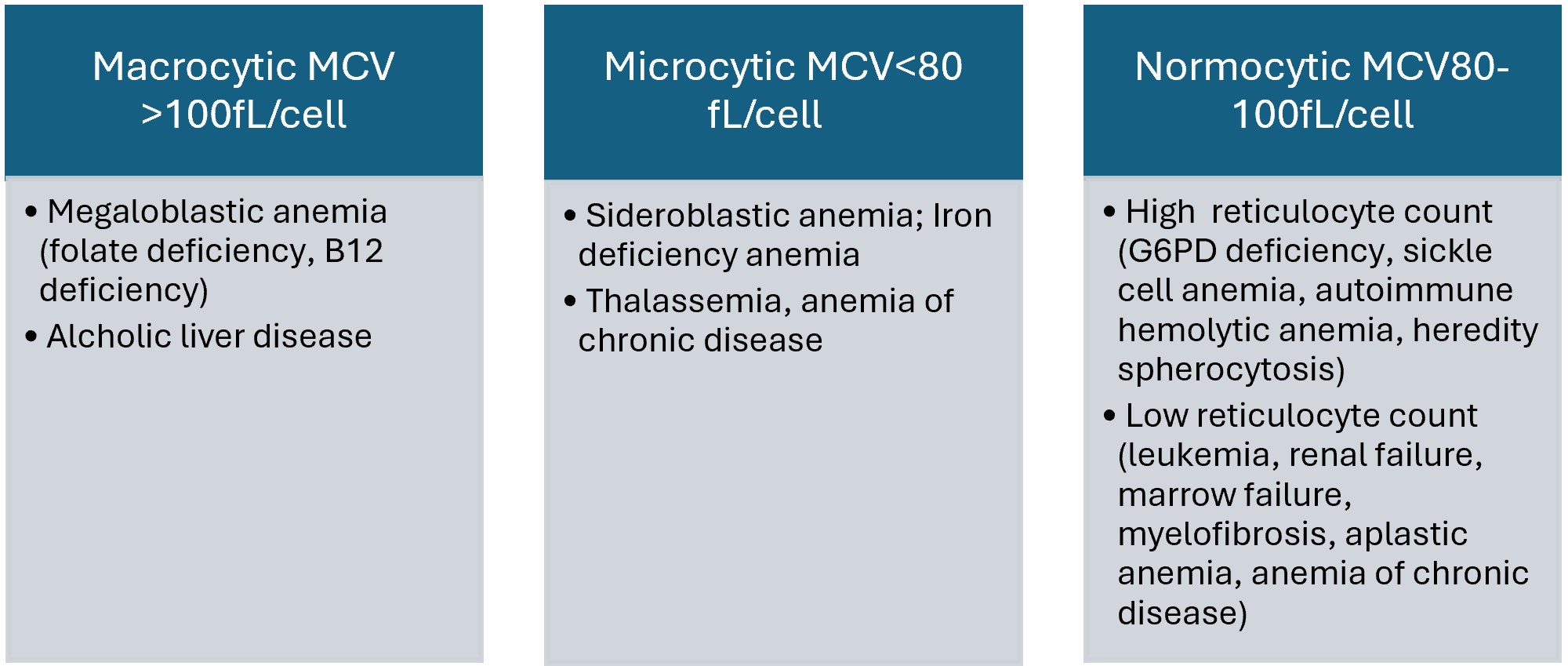
Figure 1. Classification of anemia.
Sometimes the use of some adverse drugs can also result in anemia as they cause toxic effects on blood cells, erythropoietic organs and hemoglobin production. However, in the majority of cases, it occurs due to inadequate dietary intake of some substances such as folic acid, iron, and vitamin B12, necessary for the production of blood cells in the body [3]. The clinical symptoms of anemia include fatigue, paleness, weakness, loss of appetite, difficulty in swallowing, however the definition, prevalence of anemia generally varies according to the demography and general health status of the region, but still WHO defines anemia if the concentration of hemoglobin under 13 g/dL in men and 12 g/dL in women who are not pregnant over the age of 15 and 11 g/dL during pregnancy [4]. The treatment of anemia is usually initiated after detecting the exact cause. The commonly encountered anemia is considered to be nutritional deficiency anemia resulting from a poor and unhealthy diet. If it occurs due to nutritional factors, the deficiency of folic acid, iron, and vitamin B12 can be overcome by oral and injection forms. This concept of oral form and injection has changed in today's scenario, as much emphasis is laid on improving dietary habits so as to avoid this nutrition-deficient anemia to a great extent. This paper is an attempt to highlight the importance of edible plants widely consumed in India and used for the treatment of various other blood-related disorders. These plants are also known for their blood purifying effects and are also found useful in sickle cell anemia and β-thalassemia. However, the detailed scientific investigation of the mechanism behind their preventive action is not known to any great extent. An attempt has been made through this review to highlight the importance of edible plants in daily life, as they play a protective and preventive role in hematological problems as revealed through many scientific sources. This study will be helpful to bring research investigations in this area, especially for disorders other than anemia.
Methodology
An extensive search of the various ancient and modern texts (more than 500) on Indian cuisines was carried out in the library of the University of Patanjali and Patanjali Research Foundation, Haridwar, India. This resulted in the identification of 869 plant species widely used in Indian kitchens for the preparation of various cuisines, including sweets, pickles, salad, vegetables, and many others. The expert team of botanists identified the scientific names of these plants. The common English names as well as local Hindi names, were also identified using “World Herbal Encyclopedia”. Then the plant species were screened for their medicinal uses through various scientific engines such as PubMed, Google Scholar, Some Useful Tropical Plants etc. Most of the plant species were medicinally acclaimed in traditional medicinal systems in India for the treatment of fever, ear disease, gastrointestinal problems, blood-related disorders, cancer, and many other conditions. The plant species were segregated for their medicinal usage against hematological problems including anemia, thalassemia, and sickle cell anemia.
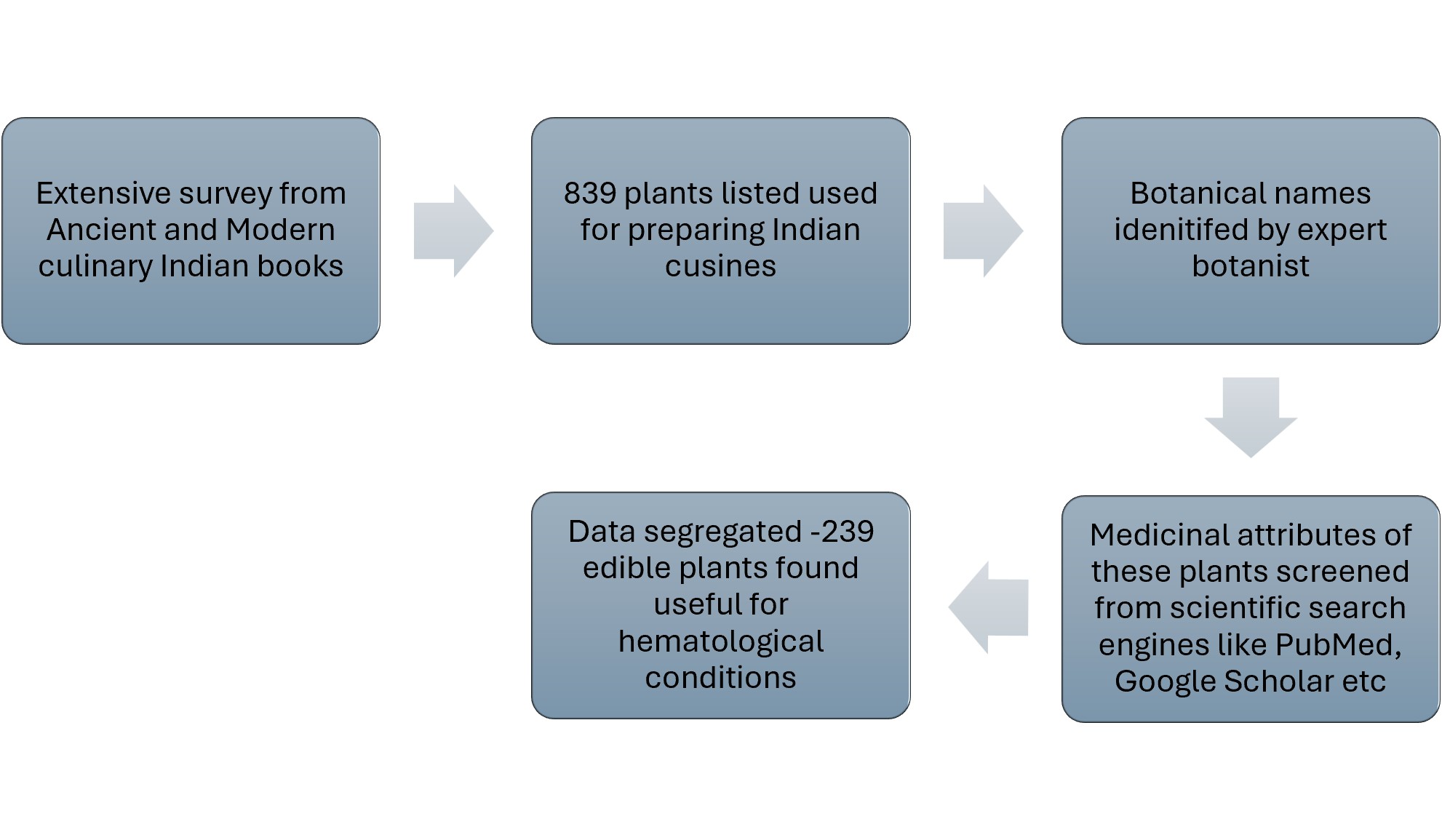
Figure 2. Literature search.
Results and Discussion
Although there is much scientific research on medicinal plants usage in the treatment of anemia and other blood-related disorders, very little information is available on the use of edible plants and their medicinal usage for blood-related disorders. Nowadays, much emphasis is laid on medicinal usage of edible plants as their daily intake through various food recipes can ultimately bring health benefits without producing any side effects. The daily intake of such useful plants can always be beneficial in the prevention and cure of many diseases. However, the studies conducted on edible plants used for medicinal and therapeutic purposes are very scarce. This paper is an attempt to highlight the importance of edible plants for the treatment of various blood-related disorders, including anemia [5].
This paper presents a glimpse of such information so that an extensive survey and research can be carried out to look forward in this aspect. The extensive literature survey of ancient and modern culinary books helped to identify 839 plant species used in Indian kitchens for various cuisines. However, only 229 plant species (Table 1) were found to be used medicinally for various hematological problems not only in India but many other countries in their traditional medicinal systems. The detailed scientific investigation about the phytochemicals present in these plants producing such beneficial effects is absolutely required.
|
Scientific Name |
Family |
Common /local names |
Blood related disorders |
Medicinal part |
Mode of usage |
|
Abelia chinensis R.Br. |
Caprifoliaceae |
Gunal |
Blood purifier |
Whole plant |
Decoction [6] |
|
Abroma augustum (L.) L.f. |
Malvaceae |
Devils cotton |
Blood purifier |
Petiole |
Decoction [6] |
|
Achillea millefolium L. |
Asteraceae |
Common yarrow |
Anemia |
Leaf |
Decoction [7] |
|
Achyranthes aspera |
Amaranthaceae |
Apamarg, Apam |
Blood purifier |
Flower |
Chewed [6] |
|
Adansonia digitata L. |
Bombacaceae |
Baobab |
Anemia |
Stem bark |
Decoction, beverage [6] |
|
Adenanthera pavonina L. |
Fabaceae |
Rakt Chandon |
Blood purifier |
Stem bark |
Decoction, powder [6] |
|
Aegle marmelos (L.) Correa |
Rutaceae |
Bilva, Bael |
β-Thalassemia |
Fruit |
Pulp [6] |
|
Alcea striata subsp. rufescens (Boiss.) Cullen subsp. rufescens (boiss.) |
Malvaceae |
Desert hollyhock |
Anemia |
Flower |
Decoction with milk [7] |
|
Alocasia macrorrhizos (L.) G.Don |
Araceae |
Giant taro |
Blood purifier |
Whole plant, leaf |
Plant decoction, leaf as vegetable [6] |
|
Aloe vera (L.) Burm.f. |
Asphodelaceae |
Kumari, |
Thalassemia |
Pulp |
Pulp juice [9] (ingredient of Kumara-Kalyana Rasa) [10] |
|
Alpinia galanga (L.) Willd. |
Zingiberaceae |
Greater galangal |
Blood purifier |
Rhizome |
Juice [6] |
|
Alternanthera sessilis (L.) DC. |
Amaranthaceae |
Sissoo, spinach |
Anemia |
Plant, leaf |
Leaf as vegetable or juice [11] |
|
Allium cepa L. |
Amaryllidaceae |
Onion/ Piyaz |
Blood flow/ anemia |
Bulb |
Salad/ spice [12,14] |
|
A. sativum L. |
Amaryllidaceae |
Garlic, Lassun |
Blood flow/ anemia, anti-sickling |
Bulb, clove |
Spice, pickle [12–14] |
|
Amaranthus spinosus L. |
Amaranthaceae |
Prickly amaranth, Tanduliya |
Anemia |
Leaf |
Decoction, beverage [15] |
|
A. tricolor L. |
Amaranthaceae |
Chaulai, Datha Saag |
Blood purifier |
Leaf and shoot top |
Leaf as vegetable [6] |
|
Anacardium occidenaale L. |
Anacardiaceae |
Cashew |
Anti-sickling, anemia |
Leaf |
Decoction [16] |
|
Anacyclus radiatus Loisel. |
Asteraceae |
Yellow anacyclus |
Anemia |
Shoot
|
Cooked in steam [16]
|
|
Angelica acutiloba (Siebold & Zucc.) Kitag. |
Apiaceae |
Shengxuesu |
Anemia |
Shoot |
Extract [17] |
|
Anogeissus leiocarpus (DC.) Guill. & Perr. |
Combretaceae |
African-birch |
Anemia |
Stem bark |
Decoction [15] |
|
Arachis hypogaea L. |
Fabaceae |
Groundnut |
Anemia |
Seed |
Decoction [14] |
|
Arbutus unedo L. |
Ericaceae |
Strawberry tree |
Anemia |
Root, fruit |
Decoction, infusion or eaten [7] |
|
Ardisia solanacea Roxb. |
Primulaceae |
Tita Jam |
Blood purifier |
Fruit |
Eaten [6] |
|
Armeria mauritanica Wallr. |
Plumbaginaceae |
Sea pink |
Anemia |
Root |
Decoction [14] |
|
Artemisia absinthium L. |
Asteraceae |
Common wormwood |
Anemia |
Shoot |
Decoction [7] |
|
A. annua L. |
Asteraceae |
Sweet wormwood |
Anemia |
Whole plant |
Decoction [7] |
|
Artocarpus lacucha Buch.-Ham. |
Moraceae |
Dawa, Lacooch |
Blood purifier |
Fruit |
Eaten [6] |
|
Asparagus racemosus Willd. |
Asparagaceae |
Shatavari |
Blood purifier |
Whole plant |
Plant juice [6] |
|
Asphodelus ramosus L. |
Asphodelaceae |
Branched asphodel |
Anemia |
Rhizome |
Infusion [14] |
|
Asplenium scolopendrium L. |
Aspleniaceae |
Harts tongue fern |
Anemia |
Shoot |
Decoction [7] |
|
Azadirachta indica A.Juss. |
Meliaceae |
Neem, Nimb |
Blood purifier |
Stem bark |
Decoction [6] |
|
Bacopa monnieri (L.) Wettst. |
Plantaginaceae |
Brahmi |
Blood purifier |
Leaf |
Chewed [6] |
|
Barleria prionitis L. |
Acanthaceae |
Jhingti |
Blood purifier |
Leaf |
Decoction [6] |
|
Bauhinia racemosa Lam. |
Fabaceae |
Konchan |
Blood purifier |
Root |
Decoction [6] |
|
B. variegata L. |
Fabaceae |
Kanchanar, Rakt Konchan, |
Blood purifier |
Bark |
Decoction [6] |
|
Berberis aristata DC. |
Berberidaceae |
Indian barberry |
Blood flow/ anemia |
Fruit |
Pulp/juice as desert [12,18] |
|
B. vulgaris L. |
Berberidaceae |
European barberry |
Blood flow/ anemia |
Fruit |
Pulp, juice [12,18] |
|
Beta maritima L.
|
Amaranthaceae |
Sea beet
|
Anemia |
Spontaneous Leafy stem |
Cooked in steam [14] |
|
B. vulgaris L. |
Amaranthaceae |
Beet root |
Blood disorder/ anemia |
Root |
Fresh, vegetable [7,19] |
|
Boerhavia diffusa L. |
Nyctaginaceae |
Punarnava |
Blood purifier |
Leaf |
Decoction [6] |
|
Borago officinalis L. |
Boraginaceae |
Borage |
Thalassemia |
Leaf |
Decoction, beverage [19] |
|
Brassica oleracea L. |
Brassicaceae |
Broccoli |
Anemia |
Thalamus |
Vegetable [13] |
|
Bridelia ferruginea Benth. |
Euphorbiaceae |
Blackbird tree |
Anemia |
Leaf |
Decoction, beverage [15] |
|
Caltha palustris L. |
Ranunculaceae |
Nergisi |
Anemia |
Leaf |
Poultice, tincture, decoction [7] |
|
Camellia sinensis (L.) Kuntze |
Theaceae |
Green tea |
Thalassemia |
Leaf |
Beverage [19] |
|
Caesalpinia sappan L. |
Fabaceae |
Sappan Wood |
Anemia |
Leaf |
Decoction [20] |
|
Cajanus cajan (L.) Millsp. |
Fabaceae |
Pigeon pea |
Anemia, anti-sickling |
Leaf, stem, seed |
Decoction [6,15–17] |
|
Capsicum annuum L. |
Solanaceae |
Cayenne pepper |
Blood flow, anemia |
Fruit |
Eaten fresh and as spice [12] |
|
Carica papaya L.
|
Caricaceae |
Papaya |
Sickle cell anemia |
Leaf extract, unripe fruit extract |
Fruit eaten fresh [16] |
|
Carissa carandas L. |
Apocynaceae |
Bengal currant |
Blood purifier |
Fruit |
Eaten fresh [6] |
|
Corrigiola telephiifolia Pourr. |
Caryophyllaceae |
Mediterranean strapwort |
Anemia |
Root
|
Infusion, decoction [14] |
|
Centaurea calcitrapa L.
|
Asteraceae |
Red star thistle |
Anemia |
Leafy shoot |
Cooked in steam [14] |
|
Centaurium erythraea Rafn |
Gentianaceae |
European centaury |
Anemia |
Shoot |
Decoction [14] |
|
Centella asiatica (L.) Urb. |
Apiaceae |
Indian pennywort |
Blood purifier |
Leaf |
Chutney [14] |
|
Ceratonia siliqua L. |
Fabaceae |
Carob tree |
Anemia |
Fruit |
Infusion, molasses [7] |
|
Chenopodium album L. |
Chenopodiaceae |
Goose foot |
Anemia |
Leaf, shoot |
Infusion [7,14] |
|
C. quinoa Willd. |
Chenopodiaceae |
Quinoa |
Anemia |
Seed |
Cooked in steam [7] |
|
Cicer arietinum L. |
Fabaceae |
Chickpea, gram |
Blood disorder/ anemia |
Seed |
Pulse [21] |
|
Cichorium intybus L. |
Asteraceae |
Chicory |
Thalassemia |
Whole plant |
Decoction [19,7] |
|
Cinnamomum verum |
Lauraceae |
Dalchini |
Thalassemia |
Bark |
Powder [19] |
|
Cissus populnea Guill. & Perr. |
Vitaceae |
African treebine |
Anti-sickling, anemia |
Root, stem bark |
Decoction [161] |
|
Cistus laurifolius L.
|
Cistaceae |
Laurel leaved rock rose |
Anemia |
Leaf
|
Cooked in steam [14] |
|
Cladanthus arabicus (L.) Cass. |
Asteraceae |
Arabian cladanthus |
Anemia |
Flower |
Decoction [14] |
|
Citrus aurantium L. |
Rutaceae |
Orange |
Anemia, anti-sickling |
Fruit |
Eaten [14,16] |
|
Citrus × limon (L.) Osbeck |
Rutaceae |
Lemon, Nimbu |
Blood disorders/ anemia |
Fruit juice |
Fresh juice [21] |
|
C. maxima (Burm.) Merr. |
Rutaceae |
Chakotara, Jambura, |
Blood purifier |
Fruit |
Eaten with mustard oil [6] |
|
Clerodendrum infortunatum L. |
Lamiaceae |
Bharangi, Vite |
Blood purifier |
Leaf |
Juice [6] |
|
Coccinia grandis (L.) Voigt |
Cucurbitaceae |
Kundru,Telakucha |
Blood purifier |
Whole plant |
Juice [6] |
|
Codiaeum variegatum (L.) Rumph. ex A.Juss. |
Euphorbiaceae |
Patu Bahar |
Blood purifier |
Stem bark |
Decoction [6] |
|
Colocasia esculenta (L.) Schott |
Araceae |
Garden croton |
Blood purifier |
Stem |
Juice [6] |
|
Combretum pilosum Roxb. ex G. Don |
Combretaceae |
Hairy combret |
Blood purifier |
Whole plant |
Juice [6] |
|
Coriandrum sativum L. |
Apiaceae |
Coariander, Dhaniya |
Anemia |
Dried fruit
|
Decoction [14] |
|
Corylus avellana L. |
Corylaceae |
Common hazel |
Anemia |
Seed |
Eaten [7] |
|
C. avellana var. pontica (C. Koch) Winkler |
Corylaceae |
Common hazel |
Anemia |
Seed |
Eaten [7] |
|
Crataegus azarolus var. aronia L. |
Rosaceae |
Mediterranean medlar |
Anemia |
Fruit |
Eaten [7] |
|
Cryptolepis nigrescens (Wennberg) L. Joubert & Bruyns |
Apocynaceae |
African parquetina |
Anti-sickling, anemia |
Lead |
Decoction [16,17] |
|
Cucurbita moschata Duchesne |
Cucurbitaceae |
Cucumber |
Anemia |
Seed |
Eaten [7] |
|
C. pepo L. |
Cucurbitaceae |
Pumpkin seeds |
Blood purifier |
Seed |
Dry fruit [17] |
|
Cuminum cyminum L. |
Apiaceae |
Cumin |
Anemia |
Dried fruit |
Decoction [14] |
|
Curcuma amada Roxb. |
Zingiberaceae |
Aama haldi |
Blood purifier |
Rhizome |
Chutney [24] |
|
C. longa L. |
Zingiberaceae |
Turmeric, Haldi, |
Blood flow/anemia |
Rhizome |
Spice, infusion [12,14] |
|
Cymbidium aloifolium (L.) Sw. |
Orchidaceae |
Aloe leafed cymbidium |
Blood purifier |
Leaf, root |
Juice [6] |
|
Cynodon dactylon (L.) Pers. |
Poaceae |
Durba |
Blood purifier |
Leaf |
Chewed [6] |
|
Detarium microcarpum Guill. & Perr. |
Fabaceae |
Sweet detar |
Anemia |
Leaf |
Decoction, beverage [15] |
|
D. senegalense J. F. Gmel. |
Fabaceae |
Tallow tree |
Anemia |
Leaf |
Decoction, beverage [15] |
|
Dioscorea communis (L.) Caddick & Wilki |
Dioscoreaceae |
Black bryony |
Anemia |
Flowering branch, root |
Raw or ?nfusion [7] |
|
D. glabra Roxb. |
Dioscoreaceae |
Glabrous yam |
Blood purifier |
Root |
Chewed [6] |
|
Diosypros kaki L. |
Ebenaceae |
Japanese persimmon |
Anemia |
Fruit |
Eaten [7] |
|
D. peregrina (Gaertn.) Gürke |
Ebenaceae |
Gab Ripe |
Blood purifier |
Fruit |
Eaten [6] |
|
Ecballium elaterium ( L.) A. Rich. |
Cucurbitaceae |
Squirting cucumber |
Anemia |
Fruit |
Eaten [7] |
|
Eclipta prostrata (L.) L. |
Asteraceae |
Bhringraj |
Anemia, bleeding |
Plant, leaf |
Plant extract taken orally [13] |
|
Emex spinosa (L.) Campd. |
Polygonaceae |
Devils thorn |
Anemia |
Leafy shoot
|
Cooked in steam [14]
|
|
Enydra fluctuans Lour. |
Asteraceae |
Marsh herb |
Blood purifier |
Leaf |
Chewed [6] |
|
Eragrostis viscosa (Retz.) Trin. |
Poaceae |
Sticky lovegrass
|
Blood purifier |
Whole plant |
Juice [6] |
|
Eruca sativa Miller.
|
Brassicaceae |
Arugula |
Anemia |
Leafy shoot |
Cooked in steam [14]
|
|
Faidherbia albida (Delile) A. Chev. |
Fabaceae |
Apple-ring acacia |
Anemia |
Leaf |
Decoction, beverage [15] |
|
Ficus carica L. |
Moraceae |
Common fig |
Anemia |
Fruit |
Eaten [7] |
|
F. hispida L.f. |
Moraceae |
Devils fig |
Blood purifier |
Leaf |
Juice [6] |
|
F.platypphylla Del. |
Moraceae |
Broad leaved fig |
Anemia |
Stem bark, root |
Decoction, beverage [15] |
|
F. simplicissima Lour. |
Moraceae |
Hairy fig |
Blood purifier |
Fruit |
Fruit paste taken with honey [6] |
|
Foeniculum vulgare Miller |
Apiaceae |
Fennel |
Anemia |
Fruit |
Eaten [7] |
|
Fragaria vesca L. |
Rosaceae |
Wild strawberry |
Anemia |
Fruit |
Eaten [7] |
|
Glebionis coronaria (L.) Cass. ex Spach |
Asteraceae |
Crown daisy |
Anemia |
Leafy stem |
Cooked in steam [14] |
|
Glycine max (L.) Merr. |
Fabaceae |
Soyabean |
Anemia |
Seed |
Vegetable [13] |
|
Glycyrrhiza glabra L. |
Fabaceae |
Licorice |
Anemia |
Root |
Powder, decoction [7] |
|
Gmelina arborea Roxb. |
Lamiaceae |
Kashmir tree |
Anemia |
Bark |
Decoction [6] |
|
Harungana madagascariensis Lam. ex Poir. |
Hypericaceae |
Dragon's blood tree |
Anemia |
Stem bark |
Decoction, beverage [15] |
|
Helianthus annuus L. |
Asteraceae |
Sunflower/ Surajmukhi |
Blood disorders/ anemia |
Seed |
Dry fruit [21] |
|
Hellenia speciosa (J.Koenig) S.R.Dutta |
Costaceae |
Crepe ginger |
Blood purifier |
Stem, root |
Paste taken orally [6] |
|
Hemidesmus indicus (L.) R. Br |
Apocynaceae |
Indian sarsaparilla |
Anemia |
Root |
Chewed [6] |
|
Hibiscus acetosella Welw. ex Ficalh |
Malvaceae |
Rose Mallow |
Anemia |
Leaf |
Decoction [22] |
|
H. sabdariffa L. |
Malvaceae |
Cranberry hibiscus |
Anemia |
Dried flower, seed |
Infusion [14] |
|
Hippophae rhamnoides L. |
Elaeagnaceae |
Sea buckthorn Seaberry |
Blood flow and cardiovascular function |
Fruit |
Pulp, juice [23] |
|
Holarrhena pubescens Wall. ex G. Don |
Apocynaceae |
Ivory tree |
Blood purifier |
Leaf |
Chewed [6] |
|
Hoslundia opposita Vahl. |
Lamiaceae |
Orange bird-berry |
Anemia |
Stem, leaf |
Decoction, beverage [15] |
|
Hoya diversifolia Blume
|
Apocynaceae |
Shyam plant
|
Blood purifier |
Whole plant |
Juice [6] |
|
Hygrophila auriculata (Schumach.) Heine |
Acanthaceae |
Marsh barbel |
Anemia |
Shoot |
Decoction [17] |
|
Imperata cylindrica var. africana (Anderss.) C.E. Hubbard. |
Poaceae |
Cogon grass |
Anemia |
Whole plant |
Decoction, beverage [15] |
|
Ipomoea aquatica Forssk. |
Convolvulaceae |
Kolmi shak |
Blood purifier |
Whole plant |
Juice [6] |
|
I. batatas (L.) Lam. |
Convolvulaceae |
Shakarkand |
Anemia |
Root tuber |
Cooked [24] |
|
I. mauritiana Jacq. |
Convolvulaceae |
Bhui kumra |
Blood purifier |
Root |
Decoction [6] |
|
Juglans regia L. |
Juglandaceae |
English walnut |
Anemia |
Leaf, kernel |
Eaten [7] |
|
Juniperus drupacea Labill. |
Cupressaceae |
Syrian juniper |
Anemia |
Fruit |
Molasses intake [7,14] |
|
Justicia secunda Vahl |
Acanthaceae |
Vasaka |
Anemia |
Stem, leaf |
Decoction, beverage [15] |
|
Khaya senegalensis (Desv.) A. Juss. |
Meliaceae |
Senegal Khaya |
Anemia |
Stem bark |
Decoction, beverage [15] |
|
Lagerstroemia speciosa (L.) Pers |
Lathyraceae |
Rose of India |
Anemia |
Stem |
Decoction [25] |
|
Lannea acida A. Rich |
Anacardiaceae |
African walnut |
Anemia |
Stem bark, root |
Decoction, beverage [15] |
|
L. barteri (Oliv.) Engl. |
Anacardiaceae |
Butter oil tree |
Anemia |
Stem bark |
Decoction, beverage [15] |
|
Lavandula stoechas L. |
Lamiaceae |
Spanish lavander
|
Anemia |
Shoot |
Decoction [7] |
|
Lepidium sativum L. |
Brassicaceae |
Garden cress |
Anemia |
Leaf |
Decoction [7] |
|
L. vesicarium L. leaf |
Brassicaceae |
Pepper weed |
Anemia |
Leaf |
Decoction [7] |
|
Lophira lanceolata van Tiegh. ex Keay |
Ochnaceae |
Dwarf red ironwood |
Anemia |
Stem bark |
Decoction, beverage [15] |
|
Malus domestica Borkh. |
Rosaceae |
Apple |
Anemia |
Fruit |
Syrup [7] |
|
Malva nicaeensis All. |
Malvaceae |
Dwarf mallow |
Anemia |
Leaf |
Eaten [7] |
|
M. sylvestris L.
|
Malvaceae |
Common mallow |
Anemia |
Leafy stem
|
Cooked in steam [14]
|
|
Medicago sativa L. |
Fabaceae |
Alfalfa |
Anemia |
Seed |
Decoction [14] |
|
Melilotus officinalis (L.) Lam. |
Fabaceae |
Yellow sweet clover |
Anemia |
Young leaf |
Eaten, cooked [7] |
|
Melissa officinalis L. |
Lamiaceae |
Lemon balm |
Anemia |
Flowering and leafy branch |
Decoction [7] |
|
Mercurialis annua L. |
Euphorbiaceae |
Annual mercury |
Anemia |
Leafy shoot
|
Cooked in steam [14]
|
|
Milicia excelsa L. |
Moraceae |
African teak |
Anemia |
Stem bark |
Decoction, beverage [15] |
|
Momordica charantia L. |
Cucurbitaceae |
Karela |
Anemia |
Fruit |
Vegetable [26] |
|
Moringa oleifera Lam. |
Moringaceae |
Sahjan, Sigru |
Anemia |
Leaf, flower, fruit |
Vegetable, chutney, juice [26,13] |
|
Morus alba L. |
Moraceae |
White mulberry |
Anemia |
Fruit |
Syrup [7,14] |
|
M. nigra L. |
Moraceae |
Black mulberry |
Anemia |
Fruit |
Syrup, jam, syrup, juice [7] |
|
Nasturtium officinale W.T.Aiton |
Brassicaceae
|
Watercress |
Anemia |
Leafy shoot
|
Cooked in steam [14] |
|
Nigella arvensis L. |
Ranunculaceae |
Black cumin |
Anemia |
Seed |
Intake with honey [7,14] |
|
Olax subscorpioidea Oliv. |
Olacaceae |
Stink Ant Forest |
Anemia, antisickling |
Root, stem bark |
Decoction, beverage [15,16] |
|
Opuntia ficus-indica (L.) Miller |
Cactaceae |
Prickly pear |
Anemia |
Fruit |
Eaten [7] |
|
Paliurus spina-christi Miller |
Rhamnaceaea |
Christ’s thorn |
Anemia |
Seed |
Decoction [7] |
|
Papaver rhoeas L. |
Papaveraceae |
Common poppy |
Anemia |
Flower |
Syrup, or cooked with leaf of Spinacia oleraceae and Malva nicaeensis and eaten [7,14] |
|
Peganum harmala L. |
Nitrariaceae |
Wild rue |
Anemia |
Seed |
Syrup made in honey [14] |
|
Persea americana Mill. |
Lauraceae |
Avakado |
Anti-sickling, anemia |
Leaf |
Decoction [16] |
|
Petroselinum crispum (Mill .) Fuss |
Apiaceae |
Parsley |
Anemia |
Leaf |
Decoction [7] |
|
Phaseolus vulgaris L. |
Fabaceae |
Bean, black bean |
Blood disorders, anemia |
Fruit/ seeds |
Vegetable [6] |
|
Phoenix dactylifera L. |
Arecaceae |
Date |
Anemia |
Fruit |
Eaten [14] |
|
Phyllanthus amarus Schum. & Thonn. |
Phyllanthaceae |
Bhuamlaki |
Anemia |
Whole plant |
Decoction, beverage [15] |
|
P. emblica L. |
Phyllanthaceae |
Amlaki, gooseberry |
Blood flow/anemia |
Fruit |
Pulp, juice [12] |
|
Pimenta pseudocaryophyllus (Gomes) Landrum |
Myrtaceae |
Clove |
Anti-sickling, anemia |
Seed |
Spice [12] |
|
Pimpinella anisum L. |
Apiaceae |
Aniseed |
Anemia |
Seed |
Paste made in honey [14] |
|
Piper guineense Schumach. & Thonn. |
Piperaceae |
West African black pepper |
Anemia |
Fruit |
Decoction [16] |
|
Polygonum arenastrum Boreau. |
Polygonaceae |
Common knotweed |
Anemia |
Shoot |
Decoction [7] |
|
P. aviculare L. |
Polygonaceae |
Prostrate knotgrass |
Anemia |
Shoot |
Infusion [7] |
|
P. cognatum Meisn. |
Polygonaceae |
Indian knotgrass |
Anemia |
Shoot |
Infusion [7] |
|
Portulaca oleraceae L. |
Portulacaceae |
Purslane |
Anemia |
Shoot |
Infusion [7,14] |
|
Prunus amygdalus Batsch |
Rosaceae |
Almond, Badam |
Blood disorder/ anemia |
Seed |
Dried and eaten, syrup [14,21] |
|
P. armeniaca L.
|
Rosaceae |
Apricot |
Anemia |
Seed
|
Syrup in honey [14] |
|
P. spinosa L. |
Rosaceae |
Blackthorn |
Anemia |
Fruit |
Juice, infusion, eaten fresh [7] |
|
Psidium guajava L. |
Myrtaceae |
Guava |
Anti-sickling, anemia |
Leaf |
Decoction [16] |
|
Pterocarpus erinaceus Poir |
Fabaceae |
African kino tree |
Anemia |
Stem bark |
Decoction, beverage [15] |
|
P. osun Craib |
Fabaceae |
African rosewood |
Anti-sickling, anemia |
Leaf |
Decoction [16] |
|
Punica granatum L. |
Lythraceae |
Pomegranate |
Blood flow, disorder/ anemia |
Fruit |
Juice [12] |
|
Pyrus elaeagnifolia Steud. |
Rosaceae |
Silver leaf pear |
Anemia |
Fruit |
Eaten [7] |
|
Ridolfia segetum (Guss) Moris |
Apiaceae |
False fennel |
Anemia |
Leafy stem, fruit |
Cooked, decoction [14] |
|
Ribes × nidigrolaria Rud.Bauer & A.Bauer |
Grossulariaceae |
Jostaberries |
Blood flow, disorder/ anemia |
Fruit pulp |
Eaten, juice [12] |
|
Ricinus communis L. |
Euphorbiaceae |
Castor bean, Erand |
Anemia |
Stem, leaf |
Decoction, beverage [15] |
|
Rosa canina L. Fruit |
Rosaceae |
Rose |
Anemia |
Flower, fruit |
Decoction [7,14] |
|
R. indica L. |
Rosaceae |
Rose, gulab |
Thalassemia |
Petals |
Decoction (ingredient of Praval Pishti, Keharva Pishti) [9] |
|
Rubia peregrina L.
|
Rubiaceae |
Wild madder
|
Anemia |
Root
|
Decoction, syrup [14]
|
|
Rubus canescens DC. |
Rosaceae |
Woolly blackberry |
Anemia |
Fruit, root, young leaf and flower |
Eaten [7] |
|
R. discolor Weihe et nees |
Rosaceae |
Himalayan blackberry |
Anemia |
Fruit |
Eaten [7] |
|
R. ellipticus Sm. |
Rosaceae |
Raspberry |
Blood flow/anemia |
Fruit |
Pulp/juice [12] |
|
R. molluccanus L. |
Rosaceae |
Raspberry |
Blood flow/anemia |
Fruit |
Pulp/juice [12] |
|
R. sanctus Schreber |
Rosaceaea |
Blackberry |
Anemia |
Fruit |
Eaten or infusion [7] |
|
R. saxatilis L. |
Rosaceae |
Stoneberry |
|
Fruit, root |
Decoction [7] |
|
Rumex acetosella L. |
Polygonaceae |
Sheep sorrel |
Anemia |
Shoot, fruit pulp |
Eaten [7] |
|
R. conglomeratus Muray |
Polygonaceae |
Clustered dock |
Anemia |
Leaf |
Intake in any form [7] |
|
R. crispus L. |
Polygonaceae |
Yellow dock |
Anemia |
Leaf |
Intake in any form [7] |
|
Salvia rosmarinus Spenn. |
Lamiaceae |
Rosemary |
Anemia |
Shoot |
Intake in any form [7] |
|
Securidaca longepedunculata Fres. |
Polygalaceae |
Violet tree |
Anemia |
Stem, root |
Decoction, beverage [15] |
|
Senna occidentalis (L.) Link |
Fabaceae |
Coffee senna |
Blood purifier |
Leaf |
Eaten with Mishri (candid sugar) [6] |
|
S. sophera (L.) Roxb. |
Fabaceae |
Kasunda |
Blood purifier |
Leaf |
Juice taken orally, empty stomach [6] |
|
Senegalia catechu (L.f.) P.J.H. Hurter & Mabb. |
Fabaceae |
Khoyar, Khadir |
Blood purifier |
Wood extract |
Used with Piper betel and lime [6] |
|
Sesamum indicum L. |
Pedaliaceae |
Til |
Blood purifier |
Seed |
Infusion in milk [14] |
|
Solanum lycopersicum L. |
Solanaceae |
Tomato |
Blood flow/anemia |
Fruit |
Pulp, sauce [12] |
|
S. melongena L. |
Solanaceae |
Eggplant |
Anemia |
Fruit |
Eaten [7] |
|
Sorghum bicolor (L.) Moench |
Poaceae |
Great millet, Jowar |
Anemia, Anti-sickling |
Dried stem, seed |
Decoction, beverage, powder [15,16] |
|
Spinacia oleracea L. |
Amaranthaceae |
Spinach, Palak |
Blood flow/anemia |
Leaf |
Vegetable [12,14] |
|
Stylosanthes erecta P. Beauv. |
Fabaceae |
Pencil flower |
Anemia |
Whole plant, leaf, stem |
Decoction, beverage [13,15] |
|
Syzygium cumini (L.) Skeels |
Myrtaceae |
Black berries |
Blood flow/anemia |
Fruit |
Pulp [12] |
|
Tapinanthus dodoneifolius (DC.) Danser |
Loranthaceae |
African mistletoe, Kauchhi |
Anemia
|
Leaf
|
Decoction, beverage [15] |
|
Tectona grandis L. f. |
Verbenaceae |
Teak, Shagaun |
Anemia
|
Leaf, stem, bark |
Decoction, beverage [15] |
|
Terminalia catappa L. |
Combretaceae |
Tropical almond, Indian almond |
β-Thalassemia, sickle cell anemia |
Leaf |
Extract [8,16] |
|
Tetrapleura tetraptera (Schumach. & Thonn.) Taub. |
Fabaceae |
Adian tree |
Antisickling |
Fruit, seed |
Decoction [16] |
|
Teucrium chamaedrys sub sp. chamaedrys L. |
Lamiaceae |
Wall germander |
Anemia |
Flowering and leafy branch, whole plant |
Infusion [7] |
|
T. polium L.
|
Lamiaceae |
Felty germander |
Anemia |
Shoot |
Decoction [7] |
|
Thalia geniculata L. |
Marantaceae |
Arrowroot, fire-flag |
Anemia, hemorrhage |
Leaf, stem |
Decoction, beverage [15] |
|
Thymus vulgaris L. |
Lamiaceae |
Thyme |
β-Thalassemia |
Leaf |
Decoction [19] |
|
Tilia rubra DC |
Tiliaceae |
Red twigged lime |
Anemia |
Flower, leaf |
Decoction [7] |
|
Tinospora cordifolia (Willd.) Hook.f. & Thomson |
Menispermaceae |
Giloy, Guduchi |
β-Thalassemia |
Stem |
Juice, decoction [7] |
|
Trichosanthes kirilowii Maxim |
Cucurbitaceae |
Chinese cucumber |
β-Thalassemia |
Fruit |
Extract [8] |
|
Trigonella foenum graecum L.
|
Fabaceae |
Fenugreek |
Anemia |
Seed |
Decoction [14] |
|
Triticum aestivum L. |
Poaceae |
Wheat |
Anemia |
Seed |
Crushed and consumed [7] |
|
T. turgidum subsp. durum (Desf.) Husn. |
Poaceae |
Macaroni wheat |
Anemia |
Fruit |
Crushed and consumed [7,14] |
|
T. vulgare L. |
Poaceae |
Common wheat |
Anemia |
Seed |
Crushed and consumed [7] |
|
Urtica dioica L.
|
Urticaceae |
Common nettle |
Anemia |
Leaf, shoot
|
Decoction or cooked, or infusion [7] |
|
U. pilulifera L.
|
Urticaceae |
Roman nettle |
Anemia |
Seed, leaf, flower |
Dried, and consumed or decoction [7] |
|
U. urens L. |
Urticaceae |
Dwarf nettle |
Anemia |
Shoot, Fruit |
Decoction [7] |
|
Vicia lens (L.) Coss. & Germ. |
Fabaceae |
Lentil, Masoor |
Blood disorders/ anemia |
Seed |
Pulse, paste with boiled egg [14,21] |
|
Vaccinium ovatum Pursh |
Ericaceae |
Huckleberry |
Blood flow/ anemia |
Fruit |
Pulp/ juice [12] |
|
Vachellia farnesiana (L.) Wight & Arn. |
Fabaceae |
Babula |
Blood purifier |
Stem bark |
Chewed [6] |
|
Vitellaria paradoxum C. F. Gaertn |
Sapotaceae |
Shea tree |
Anemia, intestinal worm, |
Root |
Decoction, beverage [15] |
|
Vitis sylvestris L. |
Vitaceae |
Wild grape |
Anemia |
Fruit |
Syrup [7] |
|
V. vinifera L. |
Vitaceae |
Common grapevine |
Anemia |
Fruit. |
Syrup [14] |
|
Waltheria indica L. |
Sterculiaceae |
Sleep morning |
Anemia |
Leaf, stem |
Decoction, beverage [15] |
|
Zea mays L. |
Poaceae |
Corn |
Anemia |
Stylus and corn cob |
Decoction [7] |
|
Zingiber officinale Roscoe |
Zingiberaceae |
Ginger, Shunthi |
Blood flow/anemia |
Rhizome |
Decoction, powder [12,13] |
These plant species belonged to 60 families with a minimum of one plant species in one family, extending to 25 species from Fabaceae family. The plant species from the families Amaranthaceae, Fabaceae, Convovulaceae, Cucurbitaceae, and many others possess significant amounts of iron, vitamins, and minerals, which help elevate hemoglobin percentage in the blood [27].
The data analyzed reveals that 169 plant species are commonly used for the treatment of anemia, 43 species are used as blood purifiers, and 26 species are used for improving blood flow or disorders. Eleven plant species are used as a preventive cure in thalassemia, and 13 species are reported to serve as an anti-sickling agent. Some of the plant species are exclusively used for specific treatments such as Eclipta prostrata L., is used to control bleeding, Hippophae rhamnoides L., is used to improve cardiovascular functions, Terminalia catappa L., is used for sickle cell anemia. Some of the species are used for two or more specific uses. Species like Allium cepa L., Berberis aristata DC., Berberis vulgaris L., are commonly used for anemia as well in improving blood flow. The use of Allium species is also mentioned as an anti-sickling agent, along with improving blood flow. The species like Anacardium occidentale L., is used as anti-sickling agent as well as for anemia.
Figure 3 clearly represents the various types of preparations commonly consumed for the treatment of different blood-related disorders. The most common method of using various plant parts is in the form of decoction (93 plant species). The plants are also used in the form of vegetables (8), juice (27), infusion (14) chewed (8) or simply eaten (31), used as syrup (10), and even as a beverage (31). Allium cepa L., Allium sativum L., Capsicum annum L., Curcuma longa L., are also commonly used as spices in Indian kitchens for seasoning food products. Allium cepa and Allium sativum are used to maintain blood flow in the body. These two species are widely consumed in Indian kitchens for the preparation of green leafy vegetables, as well as used in seasoning in various dishes. These are also used in salads and eaten raw as well as also consumed in pickle form. The use of Centella asiatica (L.) Urb., and Curcuma amada Roxb., is widely accepted in the form of paste with other ingredients commonly known as Chutney in Indian cuisines. Caltha palustris L., is used in the form of a poultice and tincture, Citrus maxima (Burm.) Merr., is eaten with mustard oil, seeds of Cucurbita pepo L., are consumed in the form of dry fruits, added in various preparations or even consumed raw. The fruit paste of Ficus simplicissima Lour., is consumed with honey in the treatment of anemia. The flower decoction of Aegle marmelos (L.) Correa is taken orally with milk to treat anemia; however, its pulp is used to treat thalassemia. Abelia chinensis R.Br., Abroma augustum (L.) L.f., Achyranthes aspera, Alocasia macrorrhizos (L.) G. Don are widely used as a blood purifier. The leaf decoction of Brago officinalis L., is used as a common beverage and is considered beneficial in thalassemia. Decoction of the whole plant of Cichorium intybus L., and bark powder of Cinnamomum verum are also found useful in thalassemia. The leaf extract as well as the unripe fruit extract of Carica papaya is found useful in sickle cell anemia, although its ripe fruits are mainly consumed. This information is based on the folklore knowledge of the traditional healers, and it needs immediate attention to find a scientific explanation for the same. Probably the answer lies in the detailed scientific investigation on the phytochemistry of the various plant parts utilized for their beneficial effects.
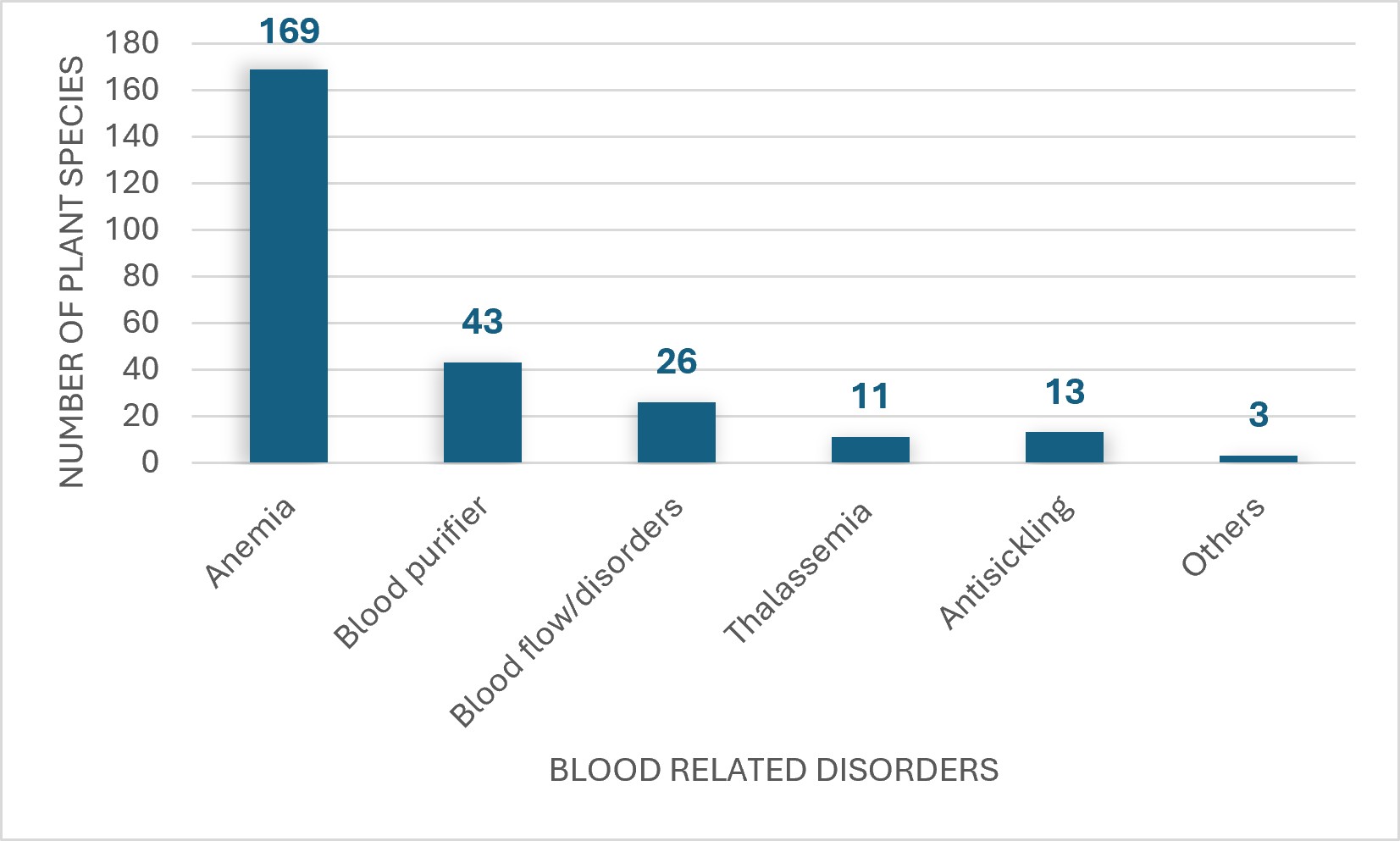
Figure 3. Number of plant species utilized for the treatment of various blood related disorders.
In Figure 4 the various plant parts used in the treatment of blood-related disorders are shown. In most of cases the leaves (75 plant species) and fruits (70 plant species) are used for medicinal purposes. Although the other plant parts such as roots (24 species) stem (31 species) seeds (29 species), shoots (23 species), whole plant (22 species), flowers (13 species), along with rhizome (5 species) bulb (2 species) are also found to be useful in the treatment of anemia and other blood related disorders. In some cases, very specific plant part is used such as - wood extract of Senegalia catechu (L.f.) P.J.H. Hurter & Mabb., is used with Piper betel and lime as blood purifier, petals of Rosa indica L., are used in the form of a decoction as a main ingredient of Indian Ayurvedic preparations Praval pishti and Keharva pishti for thalassemia. The spontaneous leafy stem of Beta maritima L., is cooked in steam and used as a vegetable for anemia. The flowering and leaf branches of Melissa officinalis L., and Teucrium chamaedrys sub sp. chamaedrys L., flowering branch of Dioscorea communis (L.) Caddick & Wilki are used in anemia. The stylus and corn cob of Zea mays L., are used in the form of a decoction for curing anemia. The consumption of such beneficial edible plants in the form of various preparations will help in speedy recovery from nutritional deficiency anemia, especially besides other ailments. The administration through oral modes easily passes through the digestive system and facilitates its assimilation [28]. However, few plant species are also used in addition to the main diet as they are consumed in lesser amounts like species of Allium. In a study conducted in Turkey, it was found that 77 taxa of plants are used in traditional treatment against anemia in one form or another i.e., decoction, infusion, or eaten raw. The plant parts were the leaf, flower, aerial parts, fruit, stem, roots, seeds, and flowering branches. The seeds of Cucurbita moschata Duchesne are consumed with yoghurt, and the fruits of Ceratonia siliqua L., are used in the form of infusion, and even as molasses [29]. Very little information is available on the edible plants used in various forms as traditional herbal remedies for the treatment of blood-related disorders. Hence, this study was conducted to identify various plants from Indian cuisines which can be useful for these disorders, especially anemia. All across the globe, there is an increase in the number of clinical trials for herbal therapeutics used in various diseases, including anemia, to confirm their therapeutic value, so that they can be marketed through various channels. In much of the research conducted so far, emphasis is laid on the pharmacological effects of the bioactive compounds from various plant species, especially used in iron deficiency anemia. In research conducted so far, it has been shown that the phytochemicals present in various plant parts act directly to induce resolution of anemia, while few others act pleiotropically through their antioxidant activity, thereby increasing resistance to oxidative stress or trigger specific cellular mechanisms, such as autophagy [30].The commonly present phytochemicals in almost all these plant species are flavonoids, anthocyanins, minerals, sugars, and vitamins. In various studies, it has been found that flavonoids encourage the formation of red blood cells (erythropoiesis). The plants rich in iron are useful in iron deficiency anemia [31]. The anti-anemic activity of Ipoema batatas (L.) Lam., was evaluated through hematological indices, namely Hb (hemoglobin), hematocrit, RBC (red blood corpuscles), MCHC (mean corpuscular hemoglobin concentration) MCV (mean corpuscular volume) and MCH (mean corpuscular hemoglobin), in an experimental study performed on albino rats. The results reveal that n-hexane leaf extract triggered regeneration of RBC, Hb, hematocrit, MCH and MCV [32]. Similarly, in a clinical study in Indonesia involving pregnant women, it was found that the leaf decoction of Ipoema batatas increased the hemoglobin levels [ 33]. In another study, it was found that the iron content in the Moringa leaves acts as the primary nutrient in hematopoiesis in the spinal cord. The amino acid and protein content in Moringa leaves acts as hematopoietic growth factors, vital in managing blood cell differentiation and proliferation. The ascorbic acid content present in its leaves also helps to increase iron absorption in the body [34]. In a study, it was found that dietary iron from Moringa leaves was more effective in overcoming iron deficiency in male Wistar rats than ferric citrate, suggesting its possible effects on the expression of liver hepcidin mRNA [35]. These are only a few examples to quote; therefore, confirmatory experimental studies should be conducted on these edible plants to express their curative power. This type of study will encourage people to be focused on consuming a healthy, plant-based based natural diet.
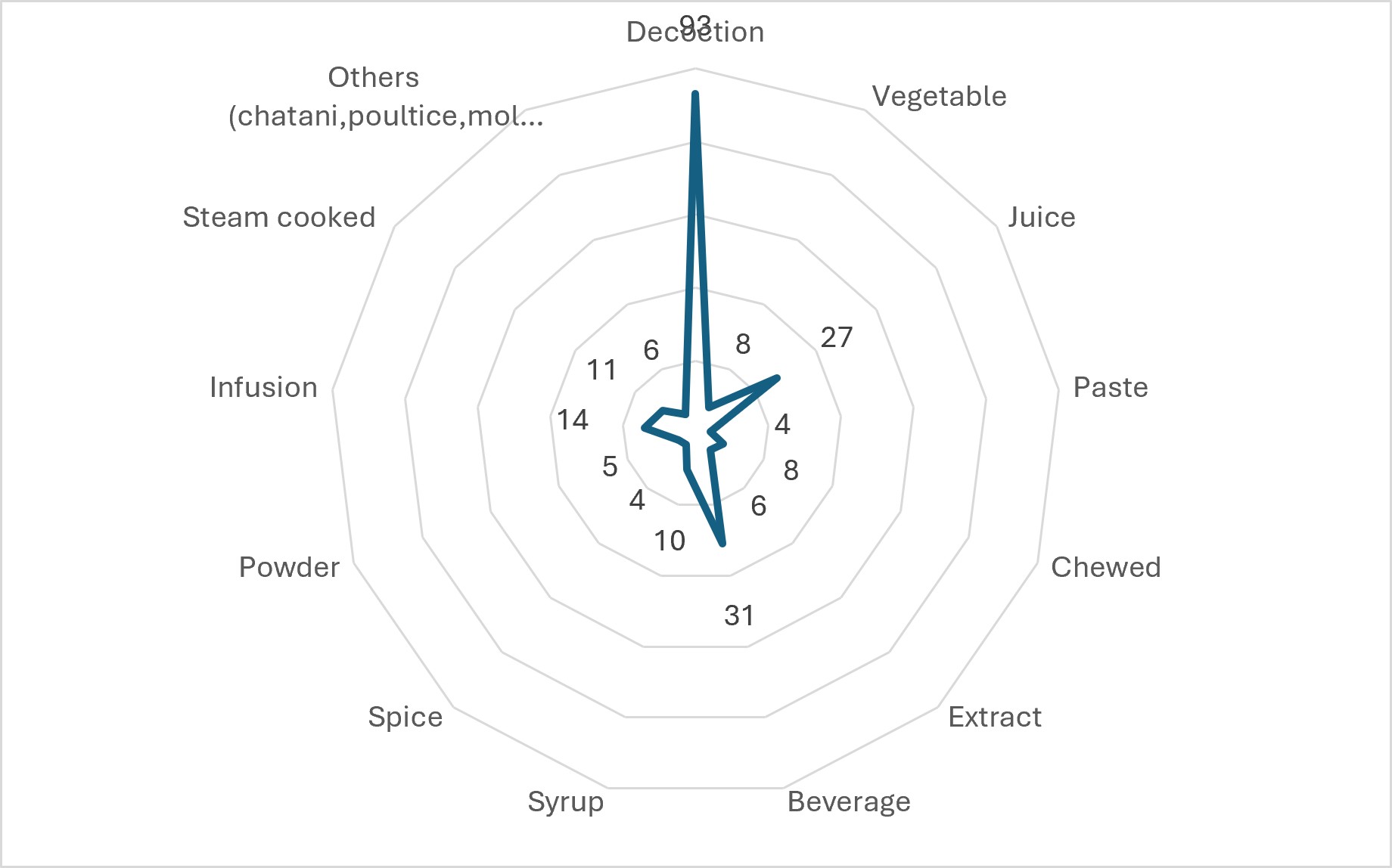
Figure 4. Usage of plant parts for the treatment of blood-related disorders.
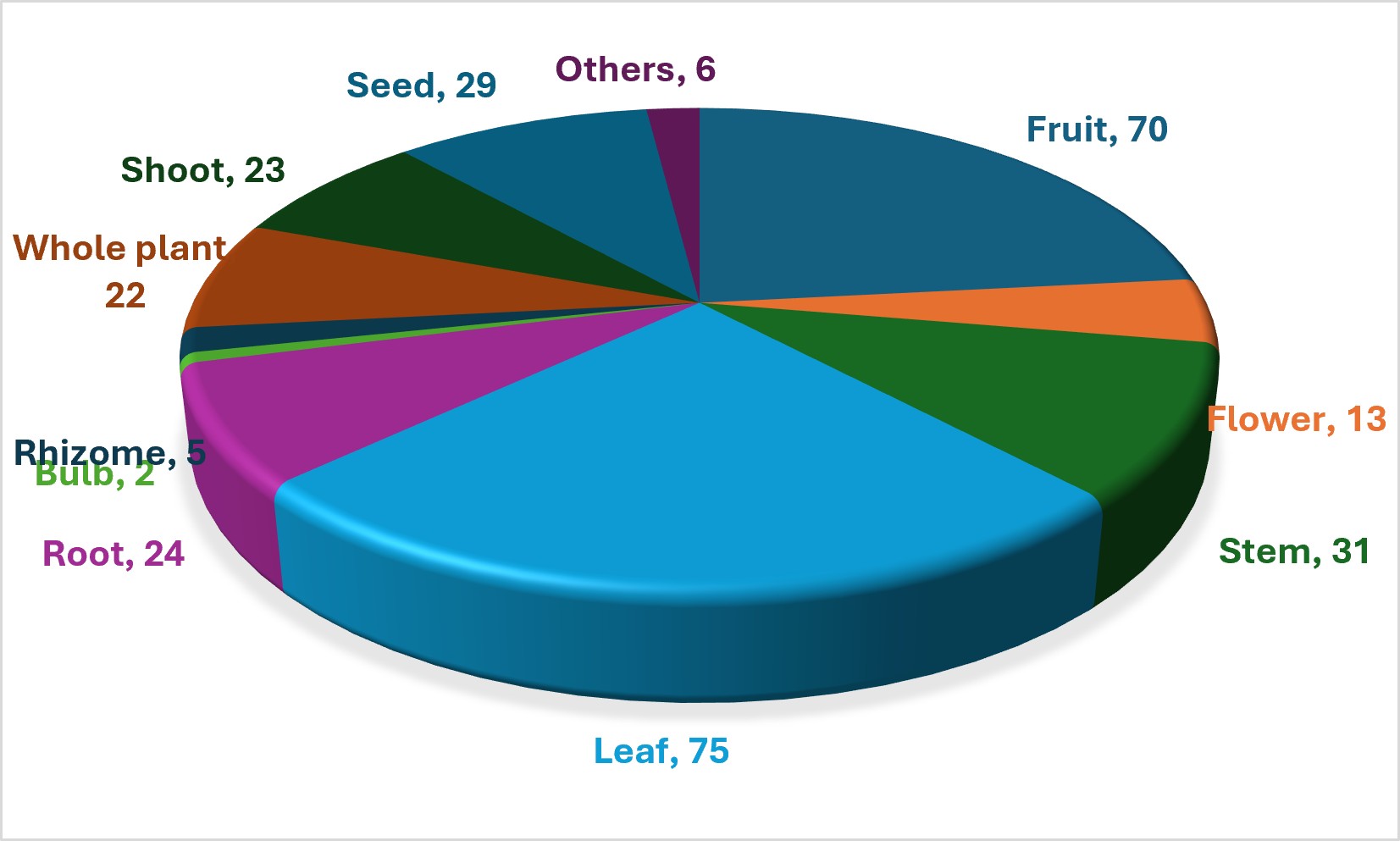
Figure 5. Various plant parts used for the treatment of blood-related disorders.
Conclusion
India is a land of diversity in its flora, and generally, people here use plants for their edible and medicinal requirements. The present paper aims to highlight the edible plants commonly used for the treatment of blood-related disorders. In an extensive survey of Indian culinary delicacies from various ancient and modern cookery books, the names of plants used were screened out. These plants were further investigated for their medicinal usage against blood-related disorders. It was found that almost all parts of the plants, i.e., flower, roots, shoots, stems, fruit, leaf, aerial parts, wood, are used in various forms as decoction, infusion, paste, vegetable, syrup, molasses, chewed, and even eaten raw for improving blood-related disorders, especially anemia to a great extent. Two hundred twenty-nine plant species from sixty different families were found useful in these blood-related disorders, from anemia to thalassemia. It would therefore be more interesting to validate the effectiveness of these plants mentioned in this study by appropriate experimental studies, so that their use is more scientifically considered. The study will help to seek and isolate new active principles that could have curative and preventive properties against these disorders. Therefore, the detailed scientific investigation on these plants and their specific part used is the need of the hour. This study is a preliminary concept about the use of edible plants in India, which can be a natural source of herbal medicines for the treatment of various blood-related disorders.
Acknowledgements
The authors are thankful to Swami Ram Dev Ji for his continuous support and guidance.
References
2. Abuaraki HA, Elbadawi SM, Elsheikh HA, Baiuomy AR. The hematinic effect of some medicinal plants used traditionally for the treatment of anemia: A narrative review. Saudi Journal for Health Sciences. 2024 Sep 1;13(3):201–7.
3. Kumar A, Sharma E, Marley A, Samaan MA, Brookes MJ. Iron deficiency anaemia: pathophysiology, assessment, practical management. BMJ Open Gastroenterol. 2022 Jan;9(1):e000759.
4. WHO. Anemia; Geneva: World Health Organization; 2023 (Assessed November 2025). Available from: https://www.who.int/news-room/fact-sheets/detail/anaemia
5. Oyebode O, Kandala NB, Chilton PJ, Lilford RJ. Use of traditional medicine in middle-income countries: a WHO-SAGE study. Health Policy Plan. 2016 Oct;31(8):984–91.
6. Toppo SA, Ekka A. Ethnomedicinal plants used to treat anemia and menstrual disorder by Tribals in Chhattisgarh, India: A Review. Research Journal of Pharmacy and Technology. 2025;18(4):1893–8.
7. Erbay M, Anıl S, Melikoğlu G. Plants used in traditional treatment against anemia in Turkey. Marmara Pharmaceutical Journal. 2016 Jan 1;20(2):164–71.
8. Ng NY, Ko CH. Natural Remedies for the Treatment of Beta-Thalassemia and Sickle Cell Anemia-Current Status and Perspectives in Fetal Hemoglobin Reactivation. Int Sch Res Notices. 2014 Oct 2; 2014:123257.
9. Tilva T, Jethwa V. A review on herbal drugs used in thalassemia and related disorder. Journal of Medicinal Plants Studies 2022; 10(6):133–40.
10. Chauhan V, Chauhan M. Treatment of Auto Immune Thrombocytopenic Purpura (ITP)–A Case Study. International Journal of Research Publications. 2024 Sep 5;156(1):56–65.
11. Carag H, Buot Jr IE. A checklist of the orders and families of medicinal plants in the Philippines. Sylvatrop, The Technical Journal of Philippine Ecosystems and Natural Resources. 2017;27(1):40–83.
12. Michel J, Abd Rani NZ, Husain K. A Review on the Potential Use of Medicinal Plants from Asteraceae and Lamiaceae Plant Family in Cardiovascular Diseases. Front Pharmacol. 2020 Jun 5;11:852.
13. Fatma F, Kumar A. Study on ethnomedicinal plants for the cure of anaemia in Ranchi district of Jharkhand, India. European Journal of pharmaceutical and medical research. 2020;7(2):399–403.
14. Benkhnigue O, Chaachouay N, Khamar H, Azzouz FE, Alla Douira A, Zidane L. Ethnobotanical and ethnopharmacological study of medicinal plants used in the treatment of anemia in the region of Haouz Rehamna (Morocco). Journal of Pharmacy & Pharmacognosy Research. 2022;10(2):279–302.
15. Koné WM, Koffi AG, Bomisso EL, Tra Bi FH. Ethnomedical study and iron content of some medicinal herbs used in traditional medicine in Cote d'Ivoire for the treatment of anaemia. Afr J Tradit Complement Altern Med. 2011 Oct 2;9(1):81–7.
16. Ahajumobi NE, Asika JC. Afro medicinal plants a promising remedy for sickle cell anemia. International Blood Research & Reviews. 2024 Feb 23;15(1):26–37.
17. Abuaraki HA, Samia Mohamed Ali Elbadawi SMA, Hatim Ali Elsheikh HA, Baiuomy AR. The hematinic effect of some medicinal plants used traditionally for the treatment of anemia: A narrative review. Saudi Journal for Health Sciences. 2024;13(3):201–7.
18. Zeneli V, Heta G, Ognenoska V, Ristevska KT, Pavlovska G. ASSESSMENT OF IRON CONCENTRATION IN STONE AND BERRY FRUIT: A CASE STUDY OF CHERRIES, SOUR CHERRIES, RASPBERRIES, AND BLACKBERRIES. KNOWLEDGE-International Journal. 2025 Apr 15;69(3):589–93.
19. Bordbar M, Pasalar M, Safaei S, Kamfiroozi R, Zareifar S, Zekavat O, et al. Complementary and alternative medicine use in thalassemia patients in Shiraz, southern Iran: A cross-sectional study. J Tradit Complement Med. 2017 May 26;8(1):141–6.
20. Agapin JS. Medicinal plants used by traditional healers in Pagadian City, Zamboanga del Sur, Philippines. Philippine Journal of Science. 2020 Mar 1;149(1):83–9.
21. Raposo A, Saraiva A, Ramos F, Carrascosa C, Raheem D, Bárbara R, et al. The Role of Food Supplementation in Microcirculation-A Comprehensive Review. Biology (Basel). 2021 Jul 2;10(7):616. doi: 10.3390/biology10070616. Erratum in: Biology (Basel). 2023 Sep 01;12(9):1198.
22. Cordero CS, Ligsay A, Alejandro GJ. Ethnobotanical documentation of medicinal plants used by the Ati tribe in Malay, Aklan, Philippines. J. Complement. Med. Res. 2020 Jul 18; 11:170–98.
23. Seven B, Varoglu E, Aktas O, Sahin A, Gumustekin K, Dane S, et al. Hippophae rhamnoides L. and dexpanthenol-bepanthene on blood flow after experimental skin burns in rats using 133Xe clearance technique. Hell J Nucl Med. 2009 Jan-Apr;12(1):55–8.
24. Magtalas MC, Balbin PT, Cruz EC, Clemente RF, Buan AKG, Garcia JP, et al. Ethnomedicinal plants used for the prevention and treatment of anemia in the Philippines: a systematic review. Trop Med Health. 2023 May 12;51(1):27.
25. Tantengco OA, Condes ML, Estadilla HH, Ragragio EM. Ethnobotanical Survey of Medicinal Plants used by Ayta Communities in Dinalupihan, Bataan, Philippines. Pharmacognosy Journal. 2018 Sep 1;10(5).
26. Garcia JS, Borja N, Sevilla-Nastor JB, Villanueva JD, Peyraube N. An ethnobotanical study of medicinal plants and perceptions on plant biodiversity conservation in Leyte, Philippines. J. Human Eco. 2018:26–42.
27. Kohale SP, Potbhare MS, Bakal RL. Medicinal plants having antianemic properties. Journal of Medical and Pharmaceutical Sciences.;2(11):37–43.
28. Benkhnigue O, Chaachouay N, Khamar H, El Azzouzi F, Douira A, Zidane L. Ethnobotanical and ethnopharmacological study of medicinal plants used in the treatment of anemia in the region of Haouz-Rehamna (Morocco). Journal of Pharmacy & Pharmacognosy Research. 2022;10(2):279–302.
29. Erbay M, Anıl S, Melikoğlu G. Plants used in traditional treatment against anemia in Turkey. Marmara Pharmaceutical Journal. 2016 Jan 1;20(2):164–71.
30. Cotoraci C, Ciceu A, Sasu A, Hermenean A. Natural Antioxidants in Anemia Treatment. Int J Mol Sci. 2021 Feb 13;22(4):1883.
31. Lesjak M, K S Srai S. Role of Dietary Flavonoids in Iron Homeostasis. Pharmaceuticals (Basel). 2019 Aug 8;12(3):119.
32. Gabriel BO, Idu M. Antioxidant property, haematinic and biosafety effect of Ipomoea batatas lam. leaf extract in animal model. Beni-Suef University Journal of Basic and Applied Sciences. 2021 Nov 2;10(1):75.
33. Hutabarat NC, Widyawati MN. The effect of sweet potato leaf decoction and iron tablet against increased hemoglobin levels in pregnant women. Indonesian Journal of Health Research. 2018 Dec 28;1(2):59–65.
34. Mun'im A, Puteri MU, Sari SP. Anti-anemia Effect of Standardized Extract of Moringa Oleifera Lamk. Leaves on Aniline Induced Rats. Pharmacognosy Journal. 2016 May 1;8(3).
35. Saini RK, Manoj P, Shetty NP, Srinivasan K, Giridhar P. Dietary iron supplements and Moringa oleifera leaves influence the liver hepcidin messenger RNA expression and biochemical indices of iron status in rats. Nutr Res. 2014 Jul;34(7):630–8.